Enzymes incorporating fluorine into compounds

Enzymes incorporating fluorine into compounds
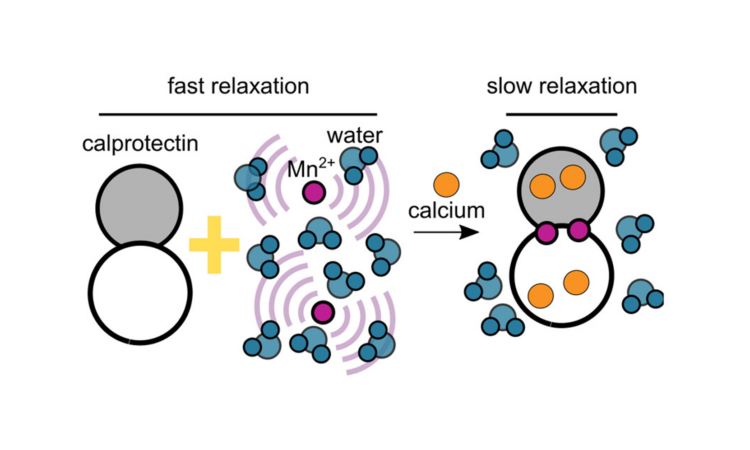
Calcium is important in bones and in brains. But which brain regions have a lot of calcium? Do disease states affect calcium levels? A new tool is being developed to find out.
Scientists showed that by modulating cathepsin B’s cleavage activity with pH-selective peptides, they can irreversibly and selectively stop its cancerous activity.
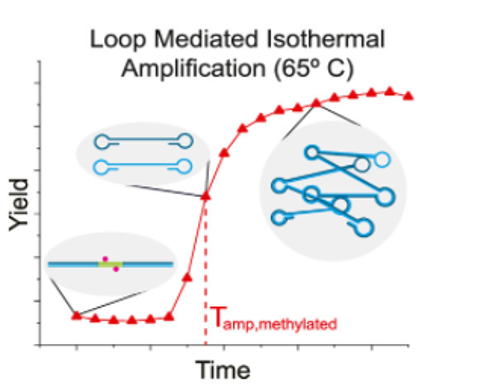
A tiny methyl group (one carbon bound to three hydrogen atoms) can be a big marker for disease.
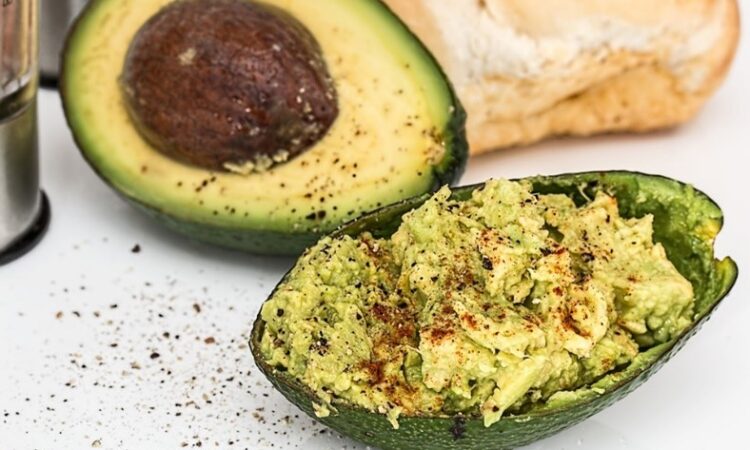
Avocado peels and uprooted invasive plants can become a source for anti-inflammatories. I’ll toast to that!

Distinguishing sulfation from phosphorylation
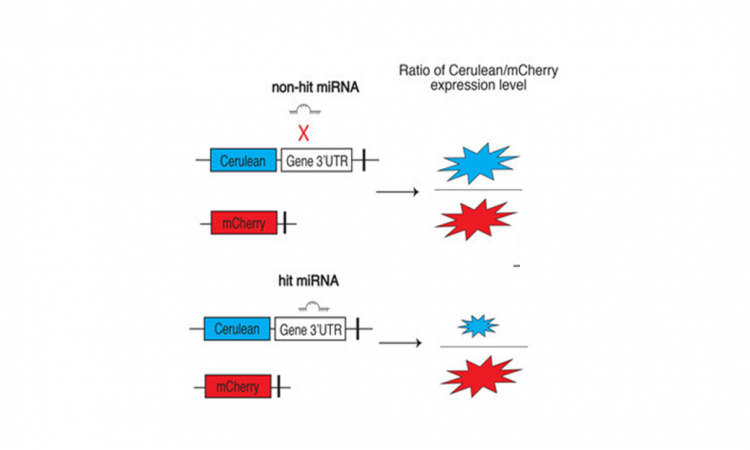
If your DNA is a cookbook of “recipes” your cells could make, microRNAs help decide what’s for dinner.

Birds have a unique way of creating color in their wings and this is how they have become so colorful.
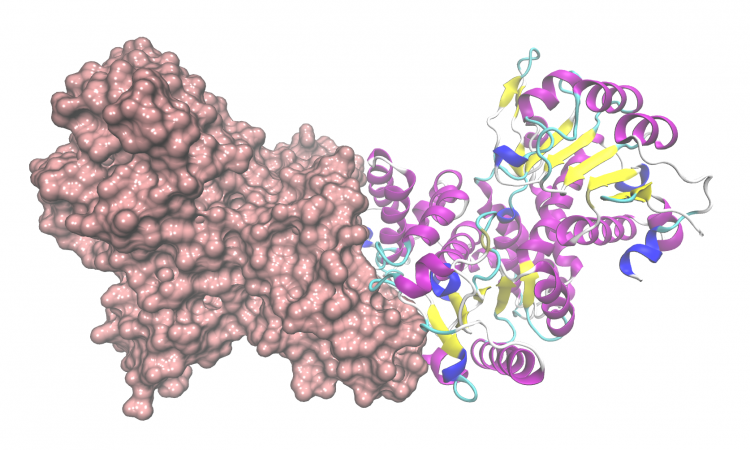
How scientists figure out what enzymes to study
Towards enzymatic bioremediation of oil spills
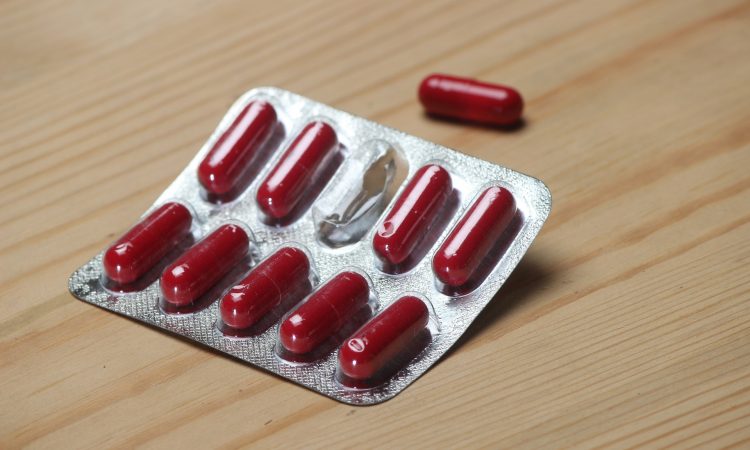
Finding new antibiotics is difficult. Synthesising those new antibiotics can be just as hard, and sometimes is takes a long time to find a good approach. And sometimes the most important step in synthesis optimisation is characterising your side-products.

Cataloguing viruses in bats and other animals may help predict or trace viral transmission to humans in the future.

Researchers develop a new two-layer coating for medical devices that dramatically reduces the chance of infection.

Buying sunscreen? Take a look at the ingredients list first.

Biology making precursors to perfumes, antibiotics, and more

Many molecules can decrease enzymatic breakdown of our body’s natural painkillers…but which one is fit to be the best new drug?
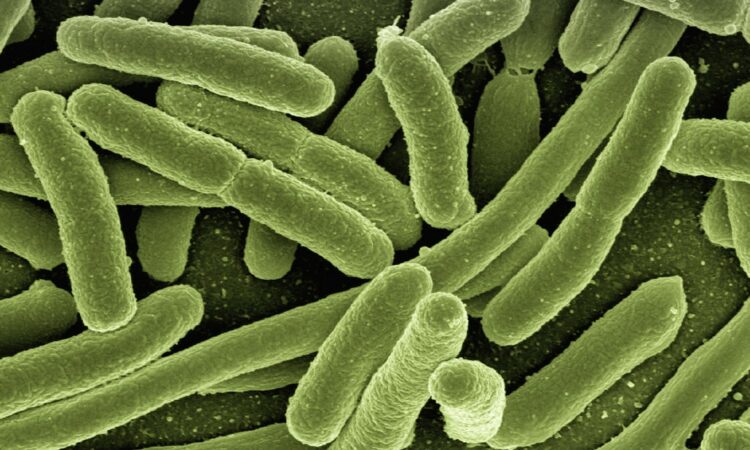
How gut microbes produce lipid plasmalogens
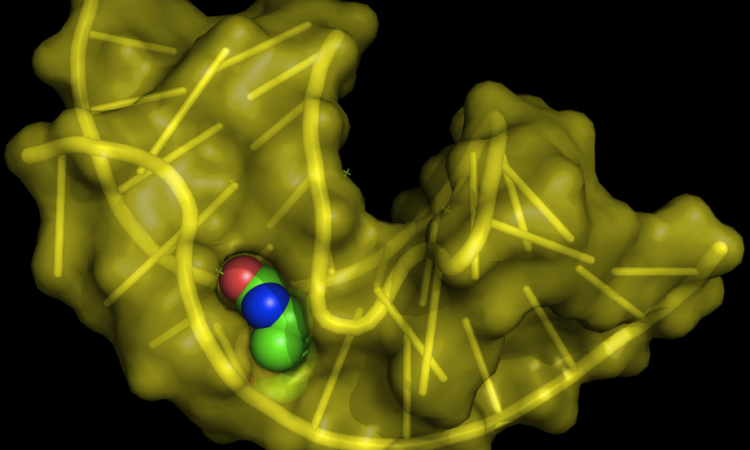
With a growing interest in the field of RNA-targeted therapeutics, robust platforms to study RNA small-molecule interactions are needed. Read about the latest endeavor here!
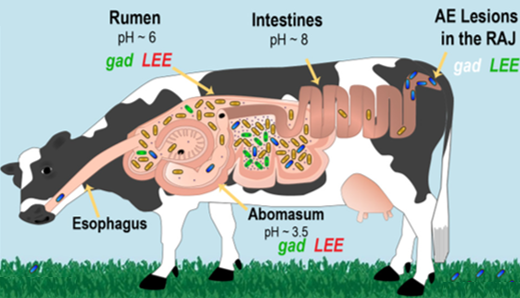
Infected cattle can transmit E. coli to humans through contaminated ground beef, but scientists are looking for a solution.

Engineering bacteria to make the dye ‘royal purple’

Developing a drug that is able to enter the cell and interact with its target is no mean feat, especially for large molecules. Read about how this group ‘masked’ large molecules to improve their cell permeability.

While most scientists search for specific treatments for viruses like Ebola, Zika and SARS-Cov-2, non-specific methods can have broad impact. Researchers from the United States and Germany joined forces to make molecular “tweezers” that pick apart viruses to death.

The earthy smell of soil originates from the bacteria that live there. But why do they produce this particular scent?
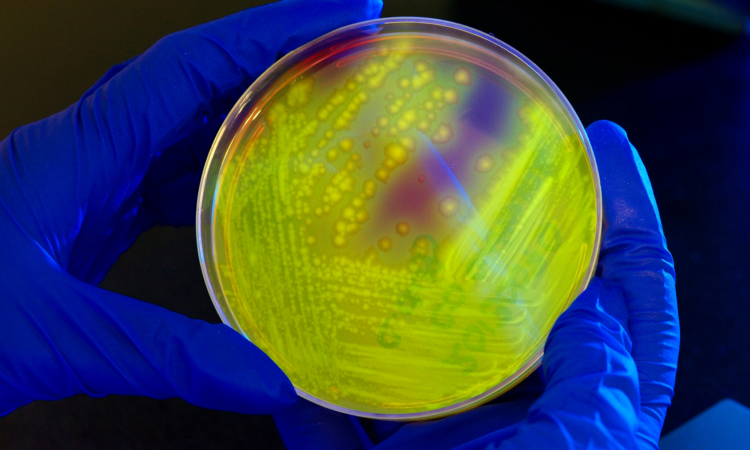
How do you get microbes to produce cryptic compounds?
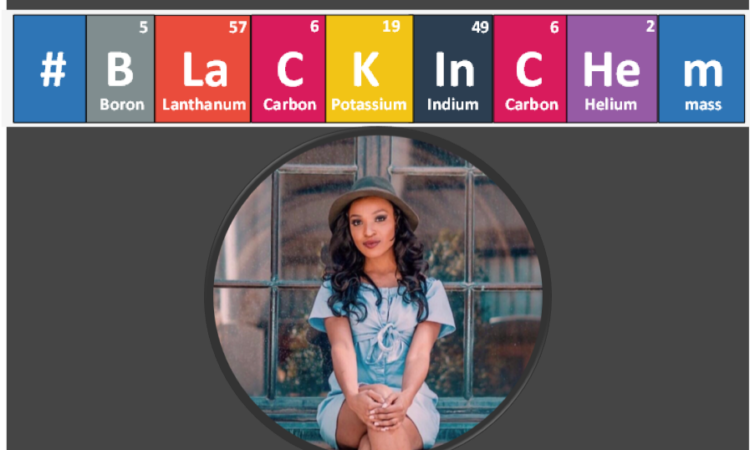
Ayanna Jones, a PhD student and passionate advocate for representation in science, shares her story and advice on making chemistry more inclusive