Antibodies in your body help fight disease by specifically targeting a viral or bacterial strain. This specificity makes antibodies useful for disease detection, but how do scientists reduce the chance of false positives and false negatives?
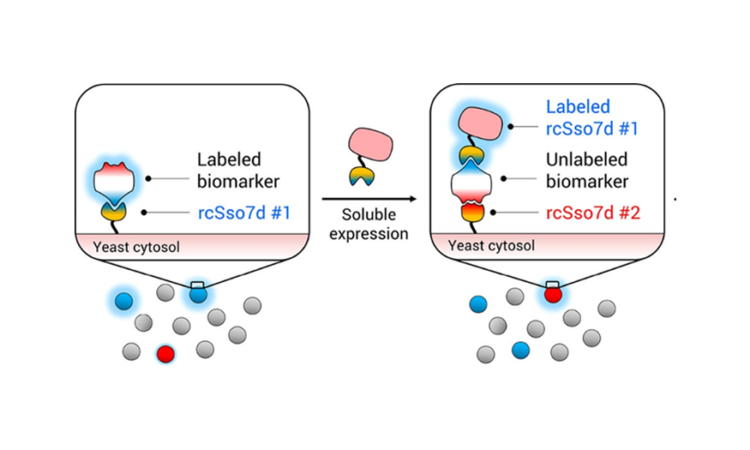
Antibodies in your body help fight disease by specifically targeting a viral or bacterial strain. This specificity makes antibodies useful for disease detection, but how do scientists reduce the chance of false positives and false negatives?

With a renewed interest in psilocybin — the psychedelic substance present in magic mushrooms — by the medical community, the Weng group at MIT sets up to study one of the enzymes that makes it.
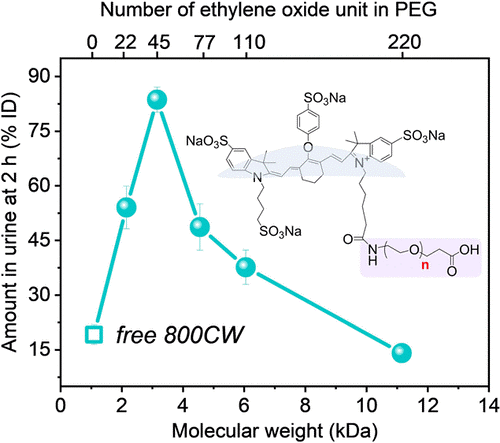
As nanotechnology is developed into drugs for human health, scientists need to study nanoparticle clearance rates from the body.
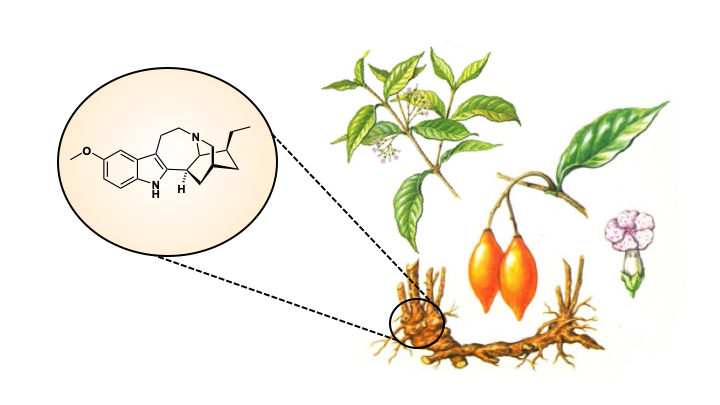
Researchers have looked at the biosynthetic pathways in plants to help them synthesise the potential anti-addiction agents ibogaine and voacangine.

Studying membrane-bound proteins requires stabilizing their structure outside of the membrane – otherwise they fall apart. But our analytical techniques have not risen to the challenge. Sadaf et al. pushes us forward by developing novel detergents for stabilizing membrane proteins.
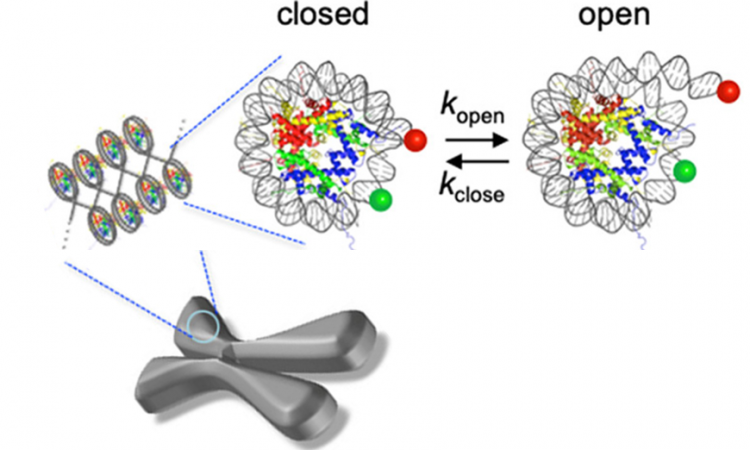
DNA is the instruction manual for how to produce an organism, one gene at a time. But our heart cells, liver cells, and brain cells are different, despite having the same DNA, thanks in part to the “epigenetic” modifications that control which genes are expressed.
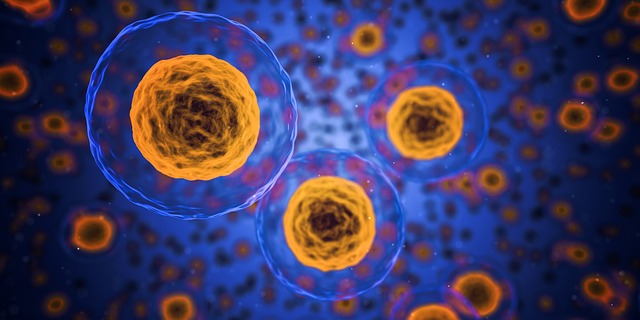
Scientists want to use nanoparticles to deliver drugs straight to where they’re needed in your body – but can the nanoparticles enter the right cells? A new model describes how to design nanoparticles that get to where they’re needed.
Scientists from UCSD and Compultense University developed non-invasive tools to measure gastrointestinal distress, monitoring chemical markers in real-time.
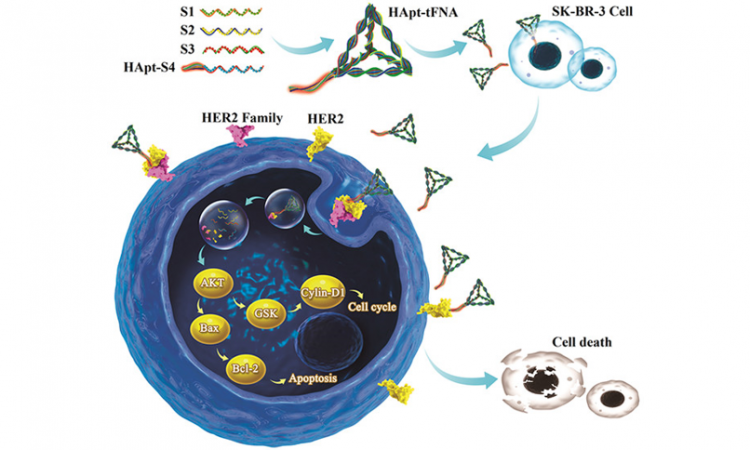
DNA can be more than just the genetic code. Can four specially designed strands of DNA destroy cancer cells?

Nothing compares to a well-trained dog’s nose for smelling out faint odors. But a new artificial nose made with living cells may come close!

Changes in our DNA can cause a host of health issues. However, we can mitigatge a lot of those if we can identify and catalogue these changes, potentially developing novel treatments.
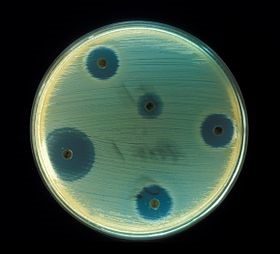
Scientists genetically modify bacteria to overproduce uncommon antibiotics, revealing information on how bacteria regulate and modify its metabolites.

Microbial systems can be a great way to make complicated products that are useful to humans. However, because the pathways to make these products involve multiple steps and can be very complex, sometimes it’s just too difficult for one species to accomplish on its own. But working as a team with another species of microbe can have its own problems. How can researchers decide which way is best?

Amino acids were found in the Atlantis Massif, under the ocean floor. Is their non-biological synthesis the origin of life?
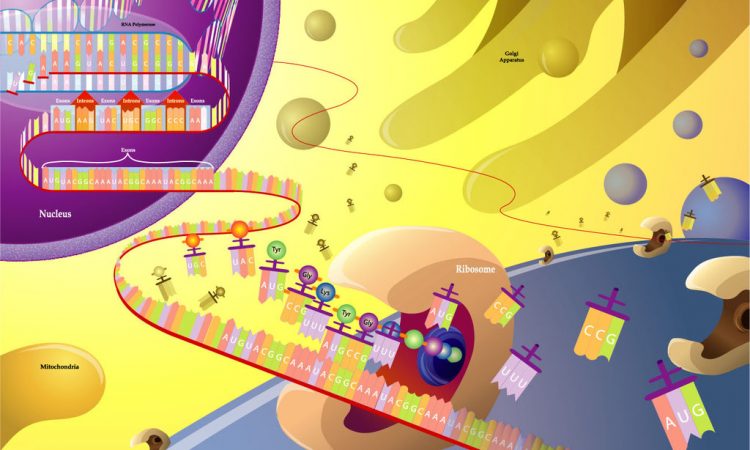
Four billion years ago the Earth cooled, cyanobacteria gave us our oxygen-rich atmosphere, and your ribosomes started synthesizing proteins!

Proteins bear a staggering collection of small chemical modifications that have large effects on their function. This research provides an elegant method to study cysteine sulfinylation, a chemical mark that has proven to be pretty elusive.

Learn about new discoveries into how plants and animals sense the world around them on a microscopic level!
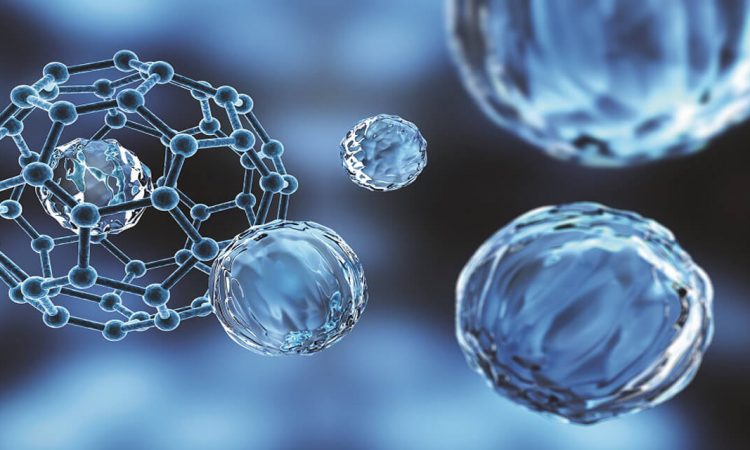
New nanoparticle devices can respond to ATP levels, deliver drugs, and induce their own removal from cells. Read about the structure of these nanoparticles and how they can advance cancer therapy and diagnostics!
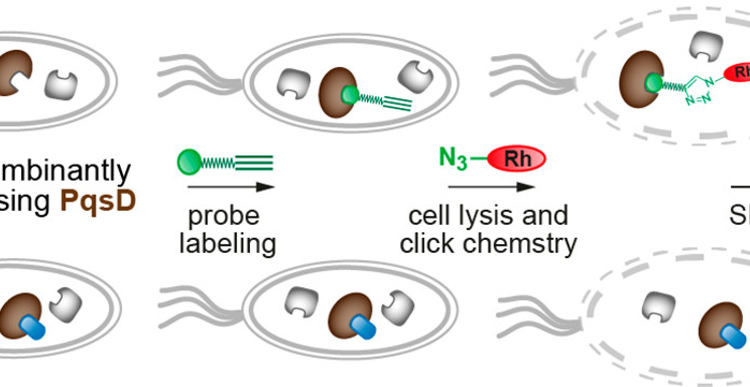
Just as interesting as the detail of how the antibacterial molecules works can be the new methods by which they are discovered. Today’s Chembite is about the development of antibacterial agents in the fight against an infectious bacterium.
By using a technique that allows researchers to study single molecules, scientists have gained new knowledge about how a common anti-cancer drug interacts with DNA. These findings can help explain the properties of the drug and help scientists discover novel r anti-cancer treatments with improved effectiveness.
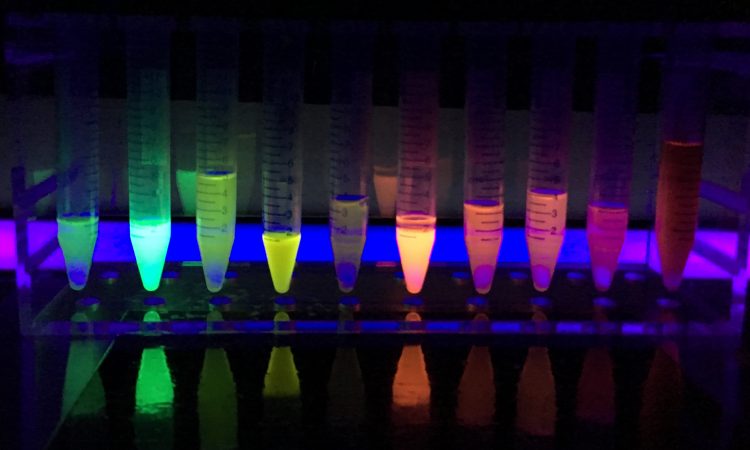
Fluorescent proteins are incredibly useful for exploring the inside of living cells. Let’s learn about a new way to find better-performing proteins using machine learning!
Heme is central to many processes within cells, from breaking down food to energy to transporting oxygen from the air we breathe. Bound to proteins it’s extremely useful and versatile, but by itself it is highly reactive and toxic. So how does the body prevent heme from reacting before it is used in a cell?
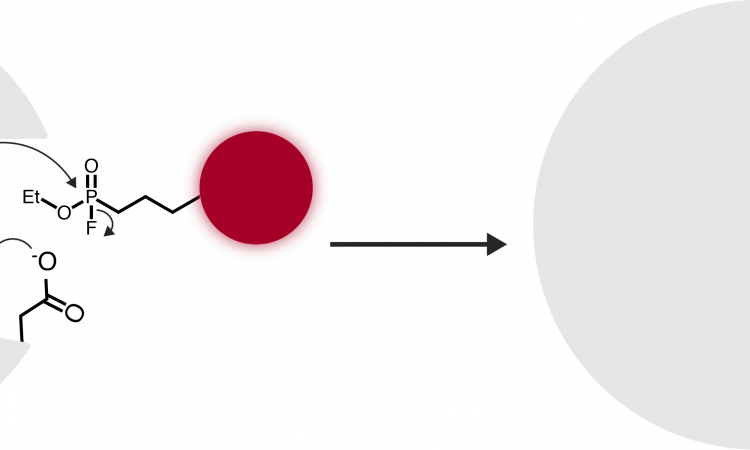
It seems like a silly question: how can we study the function of proteins with unknown functions? The answer: with activity-based chemical probes. In this article, researchers identified several previously unexplored enzymes that may play a role in serious bacterial infections.
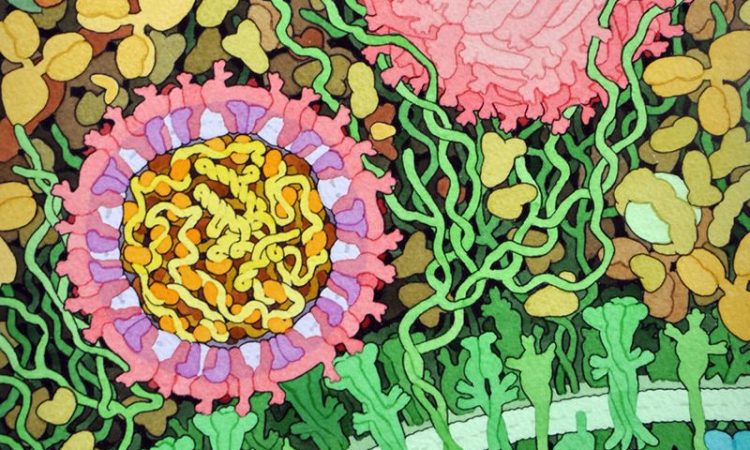
Title: Synergistic effects of stereochemistry and appendages on the performance diversity of a collection of synthetic compounds Authors: Stu Schreiber et al. Journal: Journal of the American Chemical Society https://pubs.acs.org/doi/10.1021/jacs.8b07319 Year: 2018 The ability to rapidly evaluate what a chemical compound does to a cell, and…
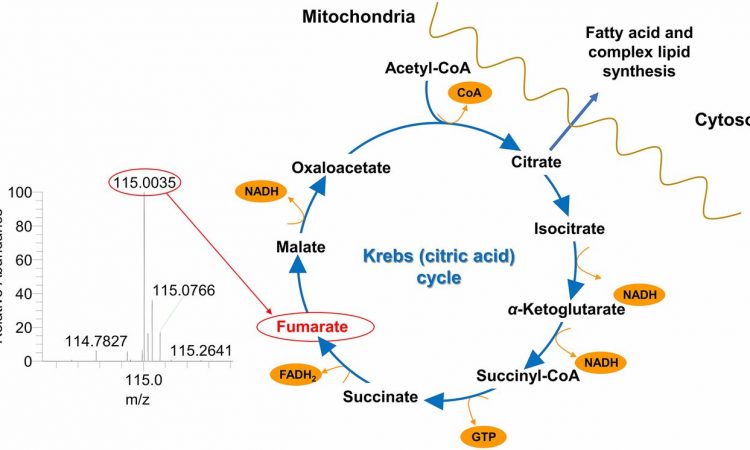
The idea that a full body scan can give comprehensive medical prognosis may be closer than we realize. Scanning mass spectrometry has been used to differentiate between healthy and cancerous skin cells. We can literally scan a person for skin cancer!