Aberrant enzyme activity drives many types of cancer and other human diseases. Traditional drugs targeting such enzymes face a variety of challenges. Here, researchers use a new small molecule “degrader” to destroy an enzyme involved in cancer.
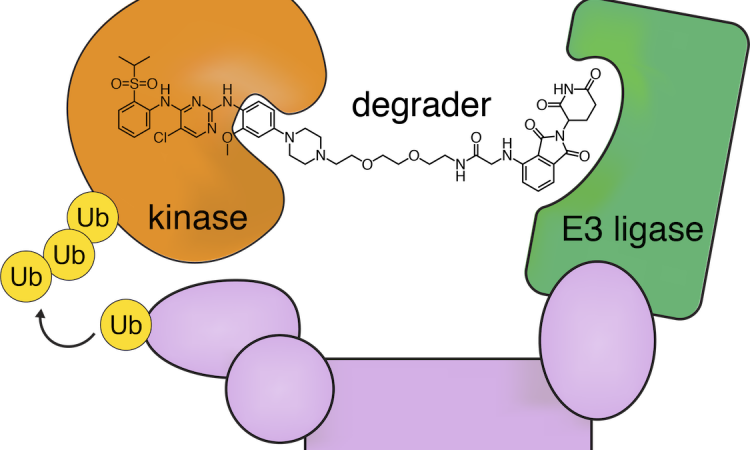
Aberrant enzyme activity drives many types of cancer and other human diseases. Traditional drugs targeting such enzymes face a variety of challenges. Here, researchers use a new small molecule “degrader” to destroy an enzyme involved in cancer.
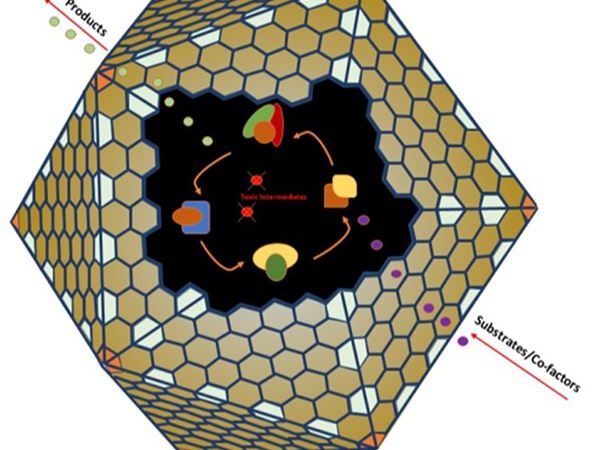
Biological catalysts and inorganic catalysts each have their own advantages and it is sometimes difficult to choose one or the other. So why not combine them into a powerful hybrid catalyst? That’s exactly what the researchers did in this recent article from ACS Catalysis.
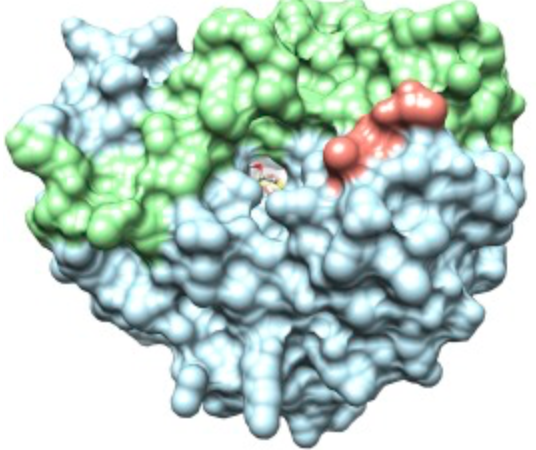
Successful resistance to a viral infection requires the host to deploy incredibly intricate biological tactics that somehow selectively inhibit key processes in the viral lifecycle. In this paper, researchers delve deeper into the molecular mechanisms of one of such resistance mechanisms!

Although getting the common cold is not a nice experience, it is only a relatively minor misfortune for most people. But the consqeuences of a cold can be severe. This paper describes a significant step towards a cure!
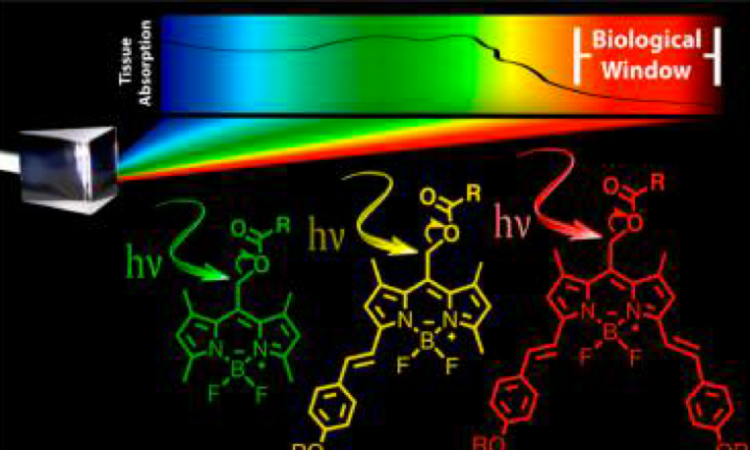
What will medicine look like 10 years from now? Well, your doctor might be shining a light on you to help target drug delivery in your body. Read more about drug delivery using molecules called photocages inside!
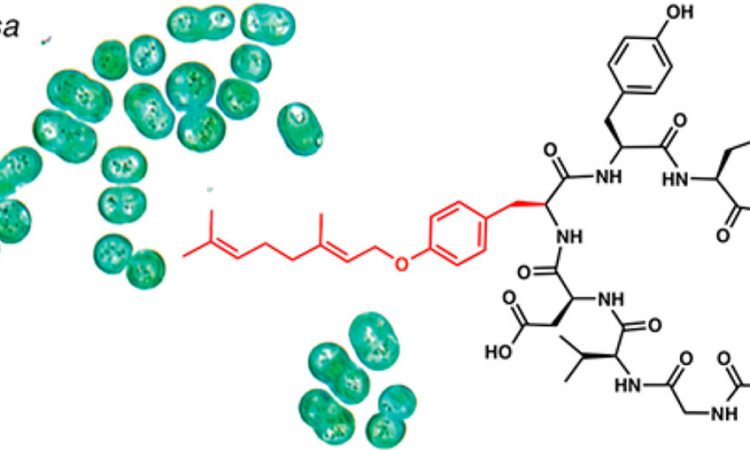
Microorganisms are particularly remarkable at churning out structurally challenging small molecules with interesting biological functions. In this work, an unprecedented chemical transformation in one such natural products is discovered and characterized.
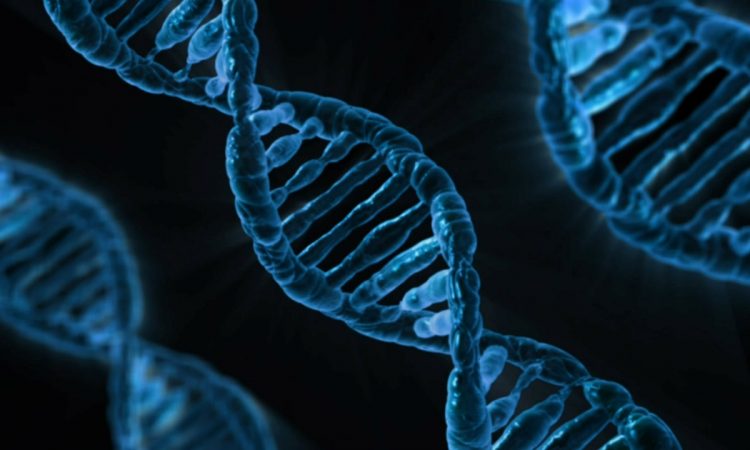
A new form of DNA was found in vivo. It can be a way to regulate the DNA replication and thus prevent the replication of tumor cells.

Algal blooms aren’t the most aesthetically pleasing plant in a lake region, but did you know their emissions can impact air quality and human health?
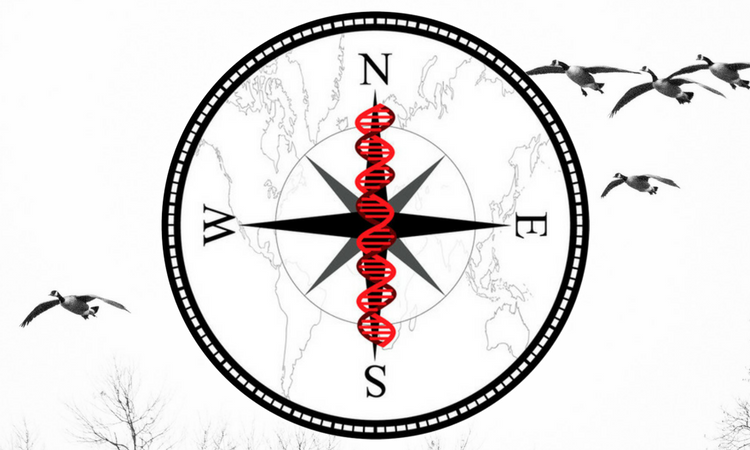
Birds and other migratory animals use the Earth’s weak magnetic field to navigate, but what do they use as a compass? While previous research has uncovered some promising candidates, not until now have experiments identified a compass sensitive to fields as weak as Earth’s – DNA repair by photolyase.

Find out what “photochemical barcodes” are and how they might help us understand complex biological processes.
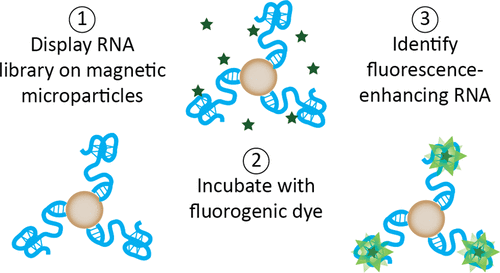
Nucleic acids are incredibly versatile molecules that can perform functions way beyond their canonical roles in biology. Here, RNA sequences are “evolved” to bind and enhance the fluorescence of a small-molecule dye, welcoming the idea of RNA for robust fluorescence imaging!
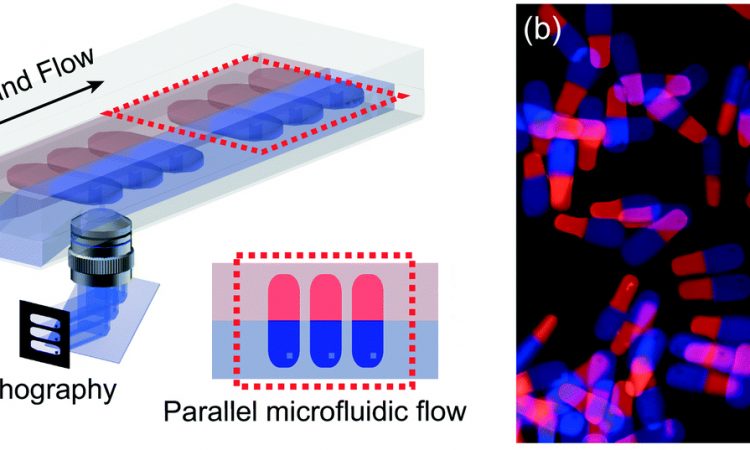
Tailoring treatment for a specific patient is the future of medicine. Let’s learn about making tiny pills that are “smart” enough to know where to dissolve in the body!
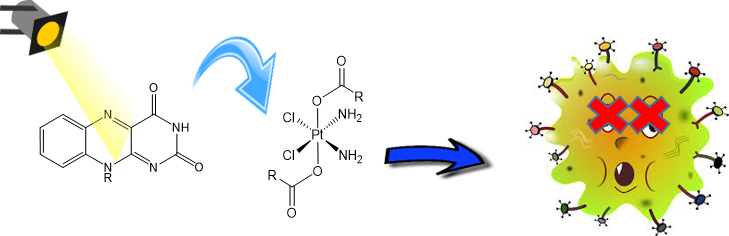
How can flavin and flavoprotein help with cancer therapy? A very nice example of biorthogonal chemistry and its potential.

Random change has been powering life’s evolution for billions of years. Can it also power the evolution of artificial biomolecules?
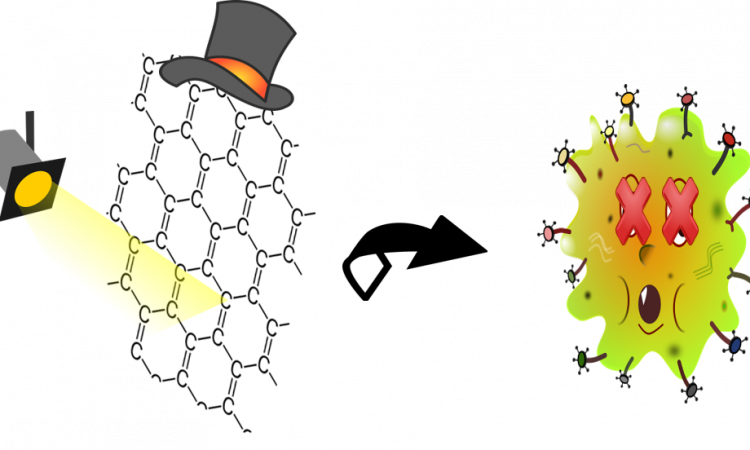
The authors of this paper can make a photodrug from a special type of graphene.
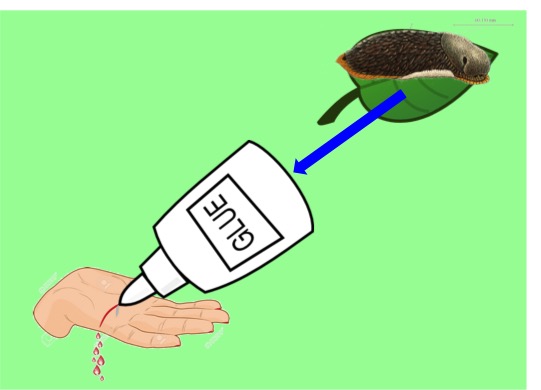
Feeling disgusted by slugs? It’s ugly, wet, and giving us an unpleasant slippery sensation. Yet it is the inspiration of new chemistry innovation!
Read this article and say thanks to slugs, which have inspired scientists to invent a new glue for medical therapies!
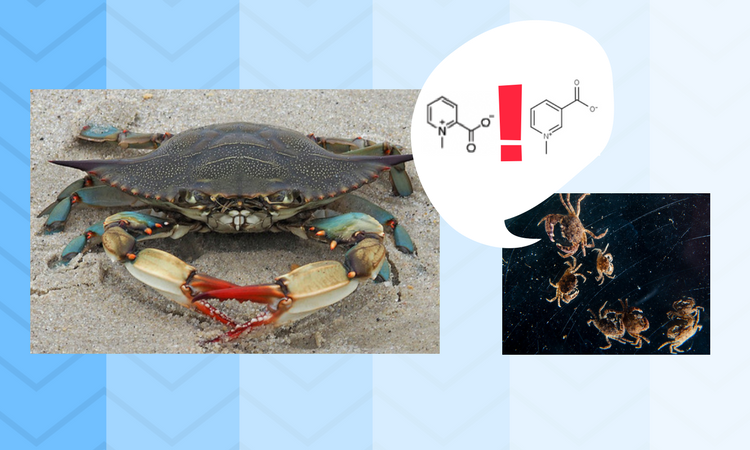
Researchers dive into the problem of analyzing marine predator-prey interactions on a molecular level. Through a combination of NMR and MS, these scientists identify two chemicals that alert mud crabs to the threat of a mighty adversary: the blue crab.
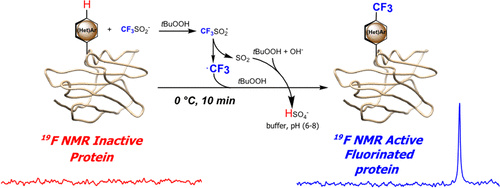
Read about this new approach to selectively install fluorines into proteins using a mild radical source.
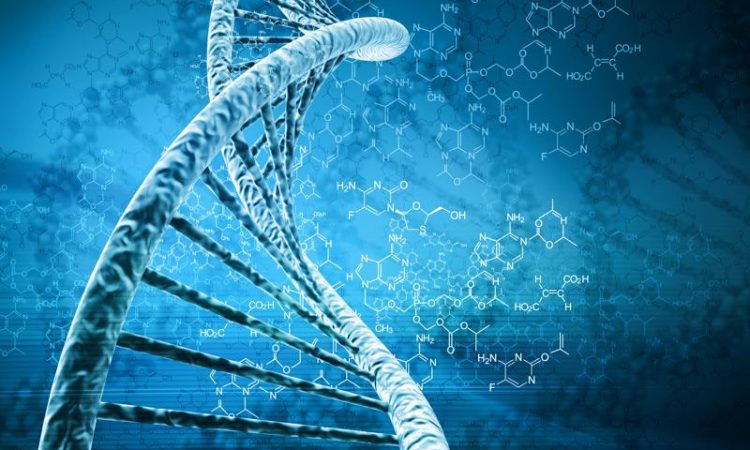
By tailoring mild synthetic chemistry methods to be compatible with living systems, these researchers have made artificial biochemical reactions a reality.
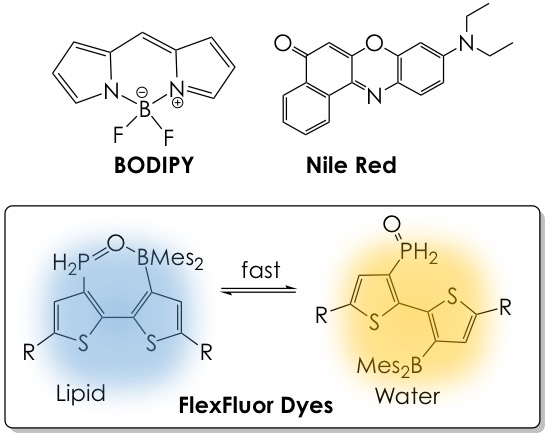
The functional repertoire of lipids grows to more impressive heights as scientists continue to unravel the substantial functions of these biomacromolecules in cell biology.
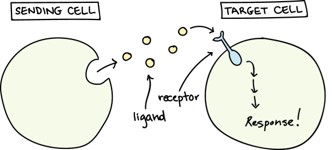
For complexity to emerge in multi-cellular organisms, extensive intercelluar communication must occur.
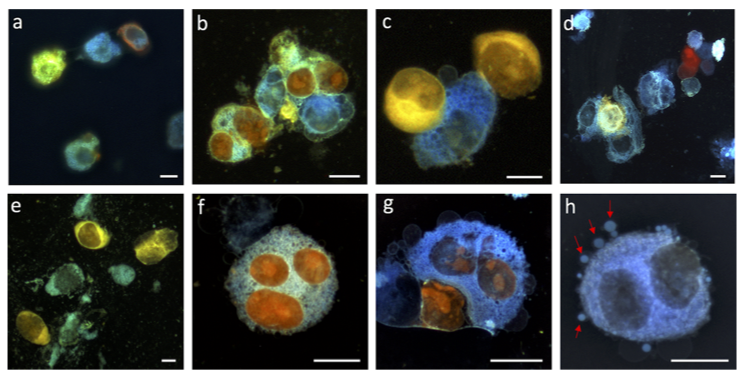
Researchers have developed a library-based approach to create DNA-templated carbon dot structures for biological imaging applications.
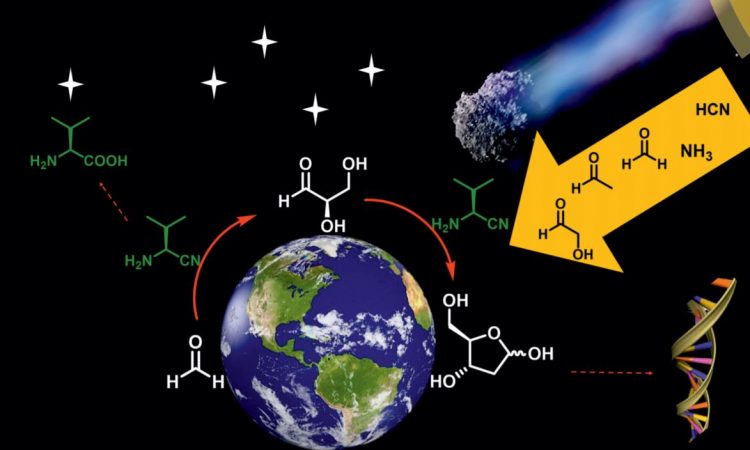
How is chemistry explaining the origin of life?
The authors of this paper, look into the formation of DNA building block (2-deoxy-D-ribose) from molecules that were present on Earth at its early stages.
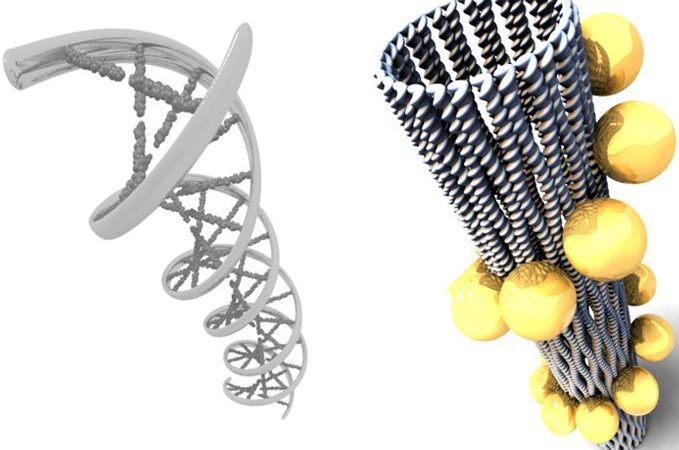
How can DNA be used to enhance applications in nanotechnology? The authors here create never-before-seen optical systems by combining DNA origami with plasmonic nanoparticles.
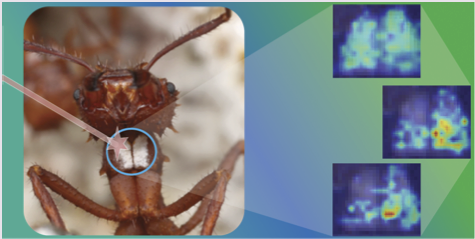
Researchers have developed a novel technique to perform mass spectrometry “imaging” of 3D objects. This method is used to identify novel natural products on whole ants when exposed to a pathogen.