Title: Growth, Photosynthetic Performance, and Water Relations of Weeds under Salt Stress
Journal: ACS Agricultural Science and Technology
Authors: Jesley Nogueira Bandeira, Lyandra Maria de Oliveira, Larissa Raquel Fagundes Costa Bezerra, Ariana Carvalho Pinto, Ruana Karoline Viana Pereira, Valéria Maria Pedroso de Moraes, María Carolina Ramírez Hernández, Daniel Valadão Silva, Joao Everthon da Silva Ribeiro
Year: 2026
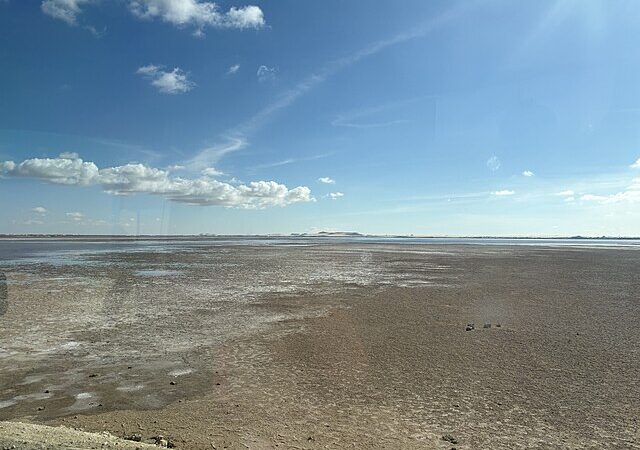
Image Credit: Outside Siwa Salt Lakes36.jpg ولاء wikicommons
In the soil lying under every farm field lays a complex mixture of chemistry supporting the growth of the plants above. Plants get their energy from sunlight and carbon for their physical structure from carbon dioxide in the air. But the soil below holds the elements they need to finish building their DNA and proteins and fuel their biochemical processes. One important property of the soil is it’s salinity, the amount of dissolved salt in the ground. Some salinity is necessary – plants need ions like sodium and chloride to regulate their internal water balance and to fuel their metabolism. But too much salinity can limit plant growth by causing the plant to lose water or fail to uptake other necessary elements like magnesium and potassium.
Particularly in dry environments, irrigation can deposit salt into the soil faster then it is able to and the application of fertilizers can also increase the salinity. Over time, this can lead to high levels of salt in the soil. Researchers from Universidade Federal Rural Do Semi-Árido in Brazil attempted to study the impact of increased salinity levels on five types of weeds, including Pigweed, Purslane, Siberian bean, Crabgrass, and Goosegrass. The research team grew these five weeds at different levels of salinity in a controlled greenhouse for five weeks and then measured their height, total weight after they had dried, and their photosynthetic efficiency. Photosynthetic efficiency was measured using a probe that detected the light reflected by chloroplasts.
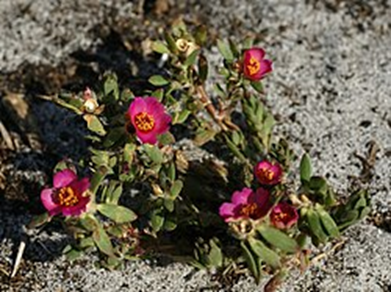
Figure 1: Purslane, a weed with pink flowers, showed the most resilience to saline solutions (image credit: Hans Hillewaert, wikicommons)
The plants did not struggle equally with high salinity. Specifically, purslane still grew equally as tall even at higher salt concentrations and in fact saw an increase in the number of leaves at moderate salinities (although a decrease in the number of leaves at higher salinity). Additionally, it maintained it’s photosynthetic abilities and continued to produce normal levels of chlorophyll, a trend not seen in the other species, which lost photosynthetic ability.
The researchers assert that high salt levels damage plants by a couple of pathways. Plants have stomata – valves that they can open and close to allow the correct amount of water and carbon dioxide into and out of the plant. When salt levels are too high, water tries to escape the plant to balance the concentration of salt in the plant and in the soil. Plants try to prevent this by closing their stomata, but that also leaves them unable to absorb adequate carbon dioxide for photosynthesis. Purslane was able to avoid starving itself of carbon dioxide by finding an appropriate balance of preserving water while absorbing enough carbon dioxide. Additionally, excessive salinity can damage plants by causing them to uptake too many sodium ions, one of the main elements in salt. Sodium ions are chemically similar to potassium ions, and an excessive amount of sodium ions can disrupt chemical pathways in the plant that depend on potassium and can lead to inefficient photosynthesis, further damaging the plant.
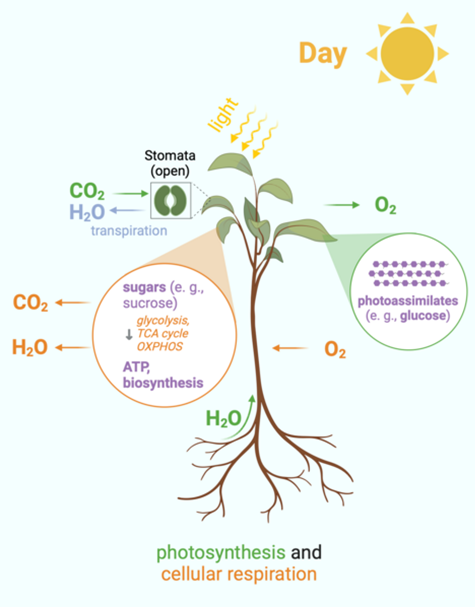
Image 2: Stomata control the levels of carbon dioxide and water in a plant. These chemicals are used to fuel the plant’s metabolism, providing it with energy and the ability to grow. (Image Credit: Kindofmagic4u, wikicommons)
The researchers warn that adaptations by salt tolerant weeds could prove dangerous for agriculture if they outcompete less salt-tolerant crops. Particularly for farmers and communities in dry regions, this could pose a challenge for growing crops in adequate yields. However, they also suggest that the adaptations seen in salt tolerant species could teach us new weed management and crop-resilience strategies. The authors specifically suggest studying the effects of the specific salts in the soils and the effects on field health and growth long term as well as the interactions between weeds and specific crops.


