Title: Using pathology images and artificial intelligence to identify bacterial
infections and their types
Authors: Xinggong Liang, Gongji Wang, Zhengyang Zhu, Wanqing Zhang, Yuqian Li,
Jianliang Luo, Han Wang, Shuo Wu, Run Chen, Mingyan Deng, Hao Wu, Chen Shen,
Gengwang Hu, Kai Zhang, Qinru Sun, Zhenyuan Wang
Journal: Journal of Microbiological Methods
Year: 2025
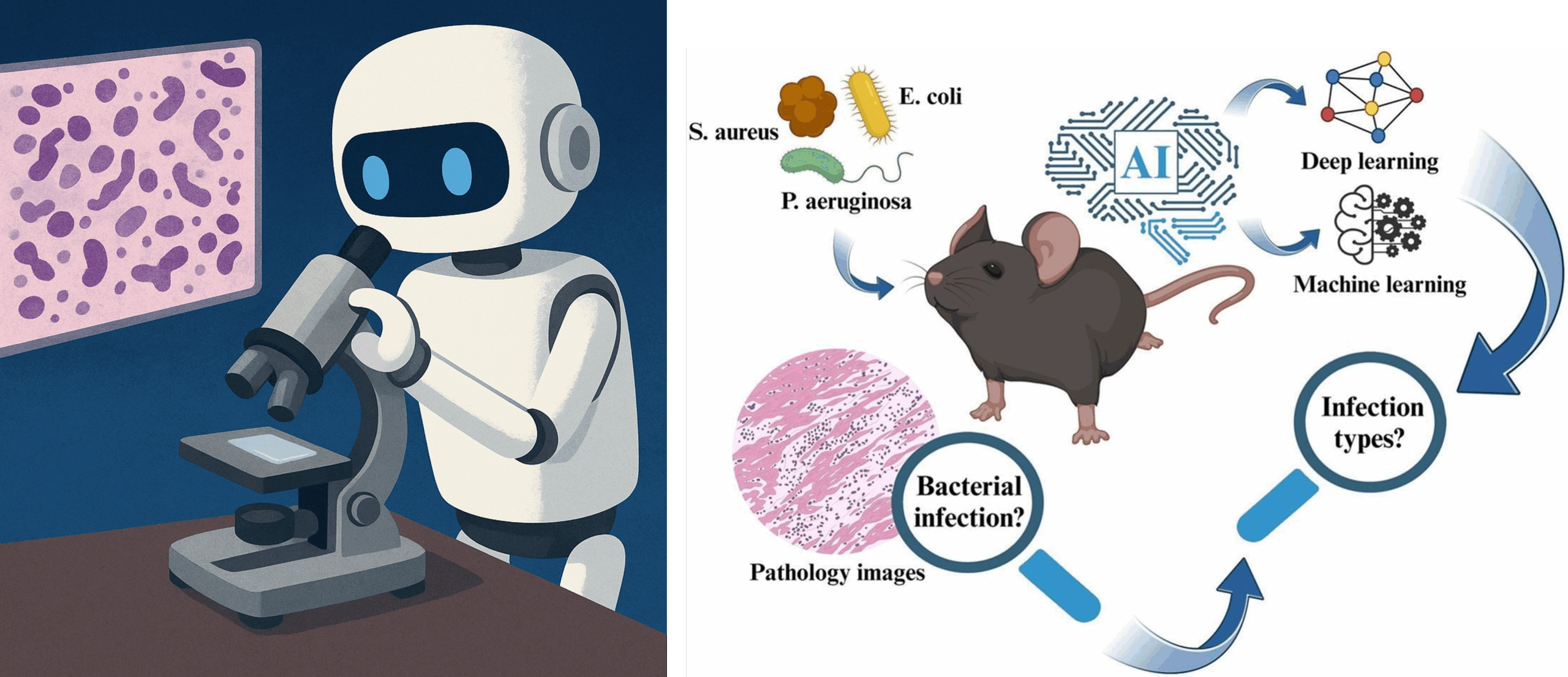
Featured image adapted from an AI image generator source and Liang et. al.
—
Imagine this- you walk into a hospital and the hospital has a tiny, super-smart robot doctor helping your medical team figure out what kind of infection you have, quickly, accurately, and without the long wait. Sounds like the year 2050, right? Recent research suggests that in the near future, artificial intelligence (or AI) might actually become the new superstar in diagnosing infections and other diseases. Yes, the same AI that recommends your playlists or finishes your sentences is now learning how to diagnose bacterial infections. The question is, will AI really be our next pathologist?
Bacterial infections are everywhere: from a simple sore throat to life-threatening pneumonia. They sneak into wounds, food, water, and even hospital equipment. Some are easy to treat, but others, especially the drug-resistant kind, are incredibly tough to beat. Getting the right diagnosis quickly is crucial because each bacterium needs its own treatment plan. The wrong medicine doesn’t just fail; it can make things worse. That’s why spotting these bugs fast isn’t just convenient, it’s lifesaving.
Pathologists spend their days peering at tissue slices under microscopes, hunting for signs of infections. It’s precise work, but also slow and dependent on years of training. And here’s the catch, many hospitals don’t even have enough pathologists to keep up. That’s where AI swoops in like a digital sidekick with super-fast eyes. In a study, researchers from China asked a bold question: Could AI learn to spot bacterial infections just from looking at pathology images?
To test it, the researchers used tissue samples from mice infected with three of the nastiest bacteria around:
- Staphylococcus aureus (the golden staph, and no, not friendly),
- E. coli (the one that ruins your street-food adventures), and
- Pseudomonas aeruginosa (hospital troublemaker).
They fed the images into a deep-learning model—basically teaching the AI to “see” like a doctor. With enough examples, the machine starts recognizing patterns humans might miss, like tiny visual fingerprints left by each type of bacteria. And the result? AI nailed it. With more than 95% accuracy, it could tell which bacteria were behind the infection—even on new slides it hadn’t seen before. Better still, it could do this in a matter of minutes. Compare that with traditional methods that often take days.
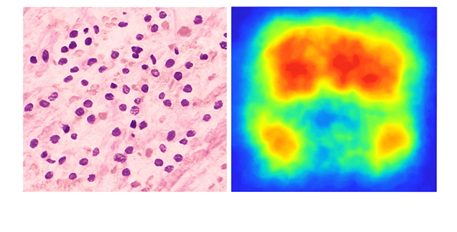
Here’s the fun twist: the AI could also spot multiple infections at once. That’s something even seasoned pathologists struggle with. Faster diagnosis means faster treatment. That can be the difference between life and death for serious infections. In places where trained specialists are scarce, AI could step in to bridge the gap. And since it only needs regular pathology images, not fancy new equipment, it’s easy to see this technology scaling fast.
Don’t panic, AI isn’t replacing doctors tomorrow. But it is learning to take on the routine work, freeing up humans for the tricky cases.
So, will AI really become our new pathologist? The signs are pointing to yes. With accuracy, speed, and consistency on its side, AI could soon be sitting right next to human doctors, whispering the answers straight from the microscope. The medical detective of the future might not wear a lab coat. It might just be an algorithm.

