Let’s explore the next generation of CO2 sorbents!

Let’s explore the next generation of CO2 sorbents!
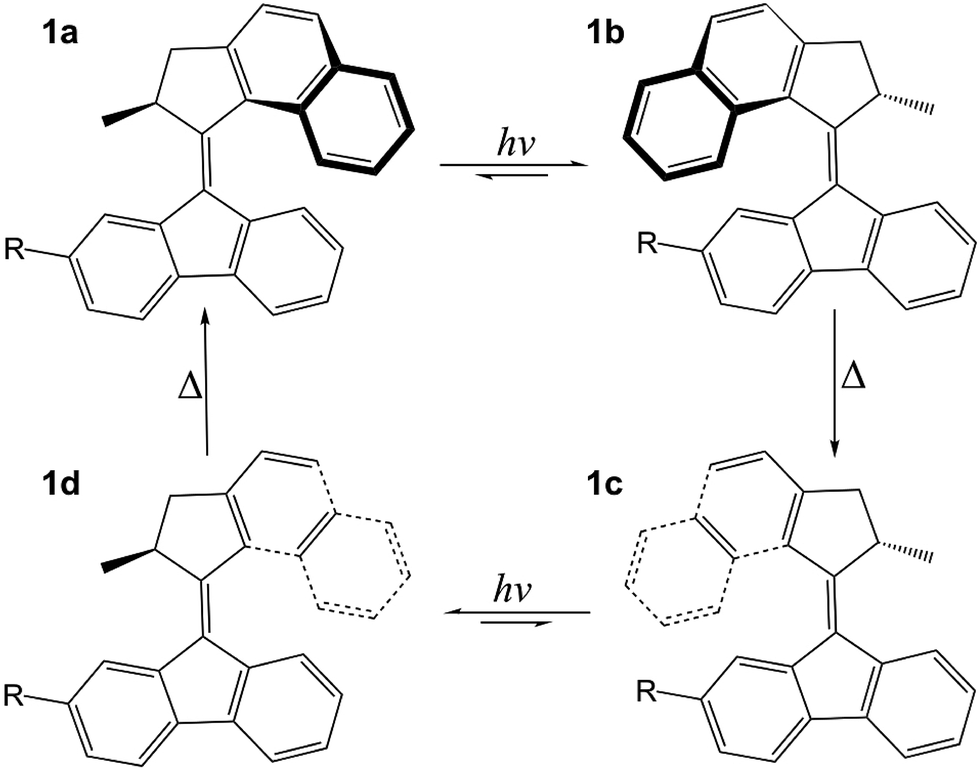
Finding blades and a shaft to build a motor? How about trying out with fluorene and alkene? Yes, it’s the molecular motor! Let’s see how it works!
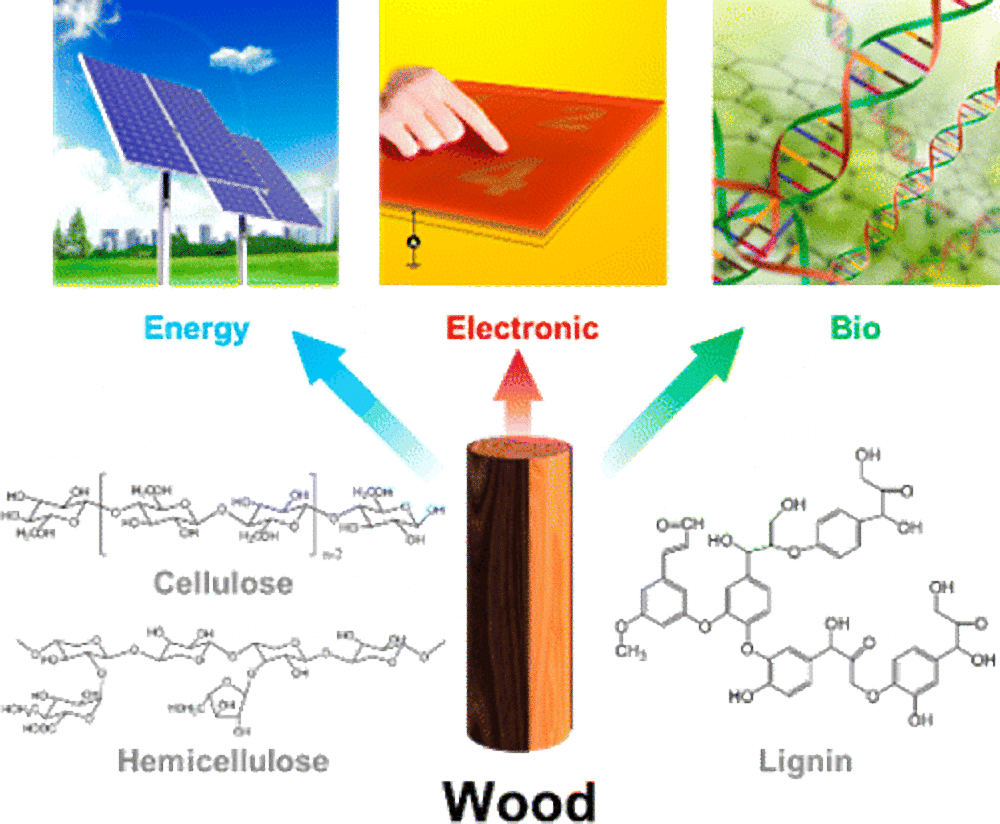
How can chemists use wood to make blue jeans blue and parachutes strong? Check it out!
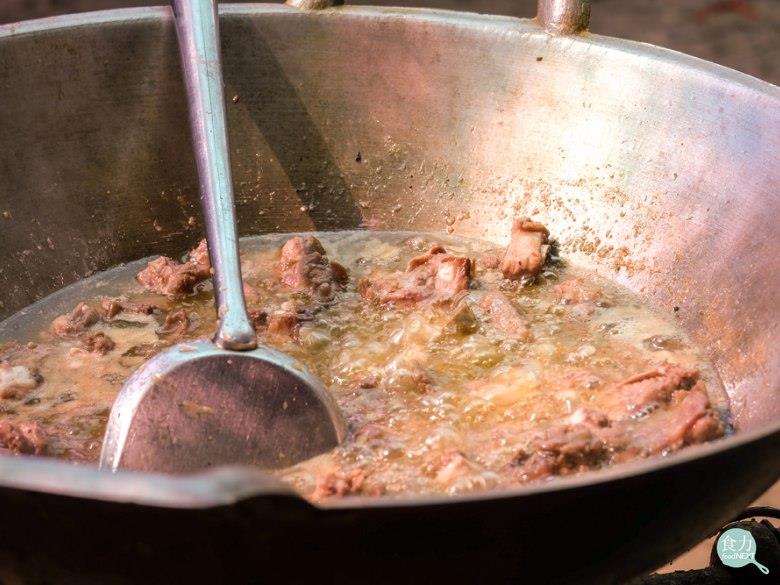
In recent years, some traders were found to have recycled cooked oil and added to lard in order to reduce production costs. This oil mixture undoubtedly raised food hygiene and safety issues in the food industry. The big question is, how can we distinguish the disguised animal oil from their natural counterparts?
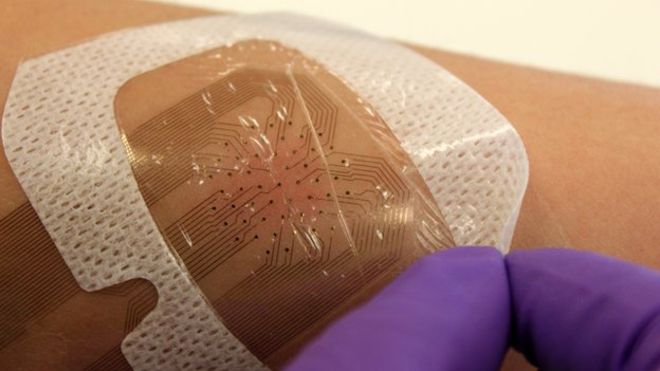
“Smart” bandages – or bandages that provide real-time monitoring of the health and progress of wound healing are here!
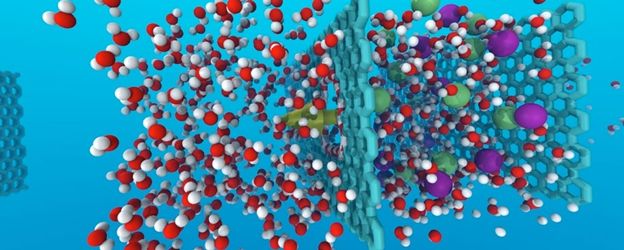
Authors: Yi Han, Zhen Xu , and Chao Gao DOI: 10.1002/adfm.201202601 By: Ehsan Moaseri, Behzad Changalvaie It is predicted that in near future, clean water may become a scarce resource due to rapid population growth, climate change, and growing demands. Therefore, many investigators have focused their…
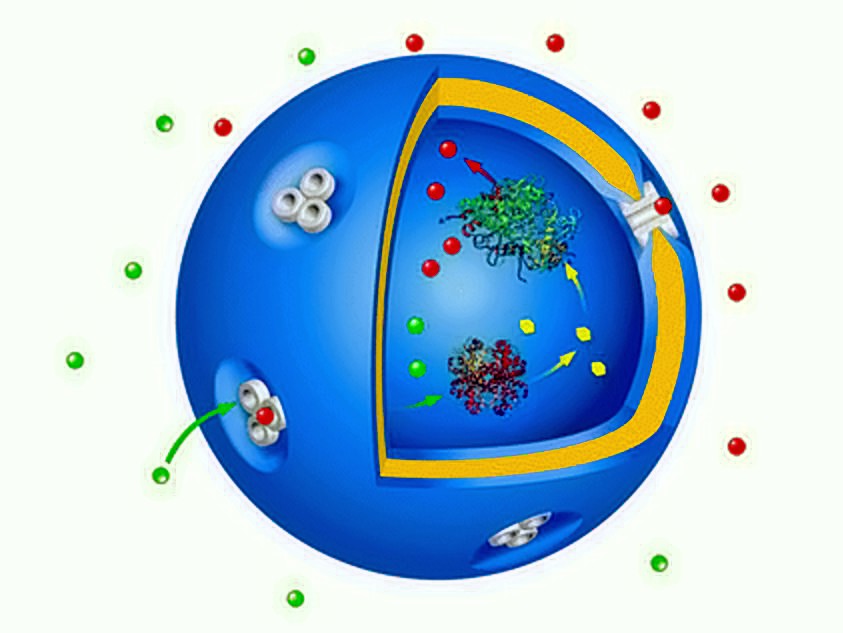
What are nanoreactors and how can they enhance multi-enzyme reactions? Let’s find out!
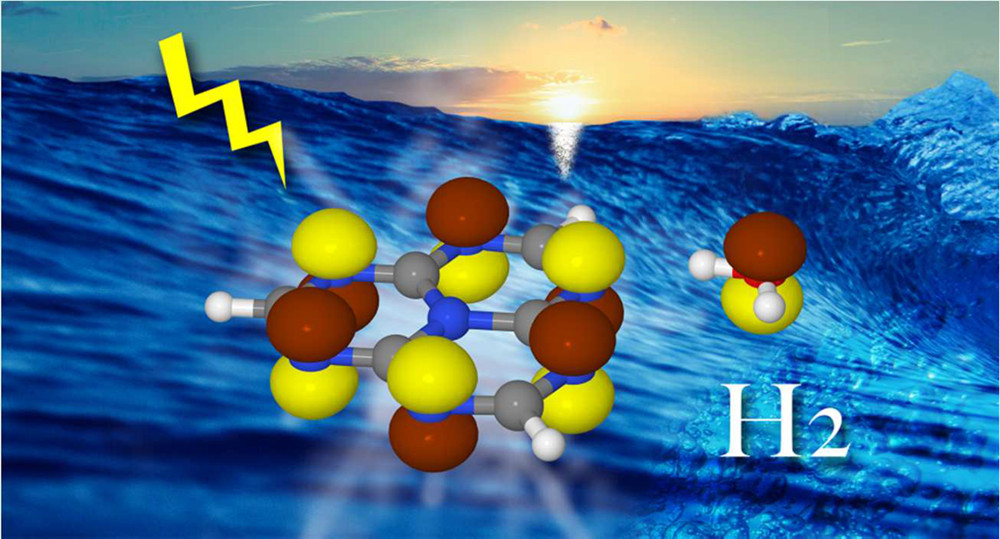
In this article, let’s hear the inside story of how water has broken up by means of computation!
Authors: Elaine Merisko-Liversidge , Gary G. Liversidge, Eugene R. Cooper European Journal of Pharmaceutical Sciences 18 (2003) 113–120 By: Ehsan Moaseri – Behzad Changalvaie There is a very high percentage of active substances, which are poorly water soluble and therefore, efficient delivery of the drug…
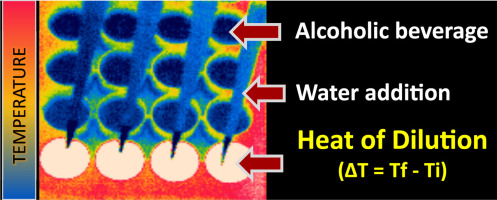
Title: One-Shot, reagent-free determination of the alcoholic content of distilled beverages by thermal infrared enthalpimetry Authors: Juliano Barin et. al. Publication Info: https://doi.org/10.1016/j.talanta.2017.05.011 During the manufacture of chemical products, the ability to rapidly and accurately monitoring the concentrations of various components is critical. For the alcoholic beverage industry,…
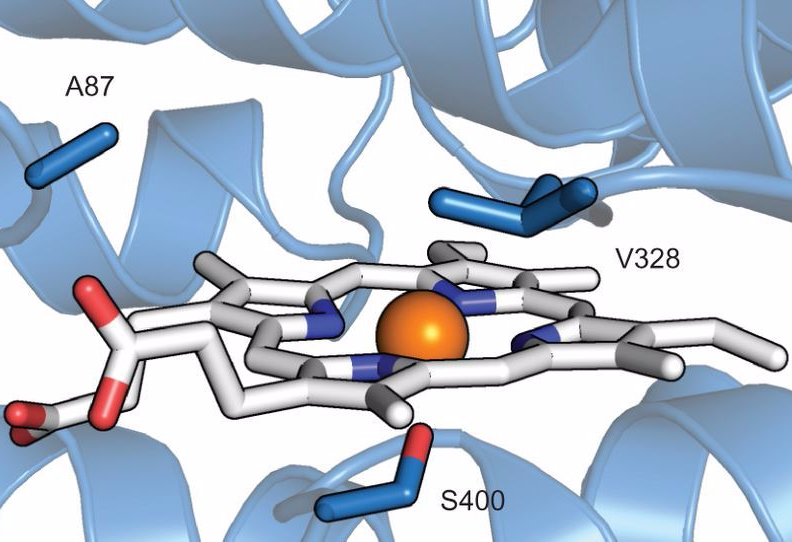
As versatile as enzymes already are, it’s actually possible to engineer enzymes to catalyze reactions that are entirely new to nature!
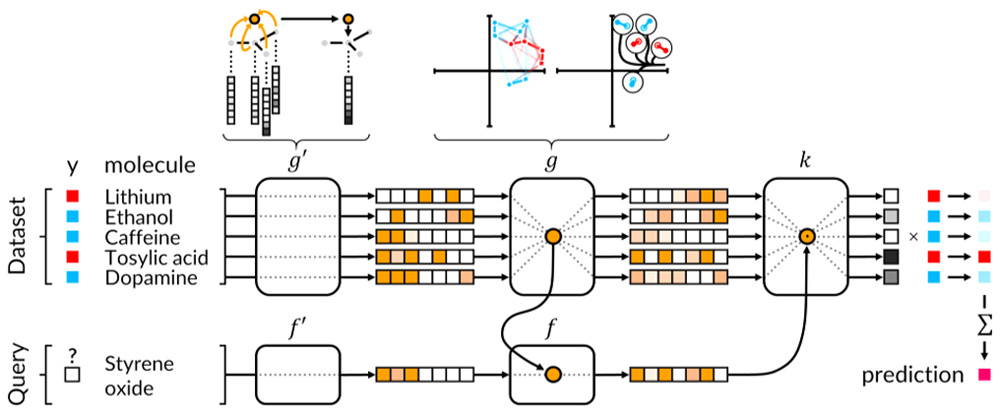
What does machine learning have to do with chemistry? Let’s have a look at computation x chemistry today!
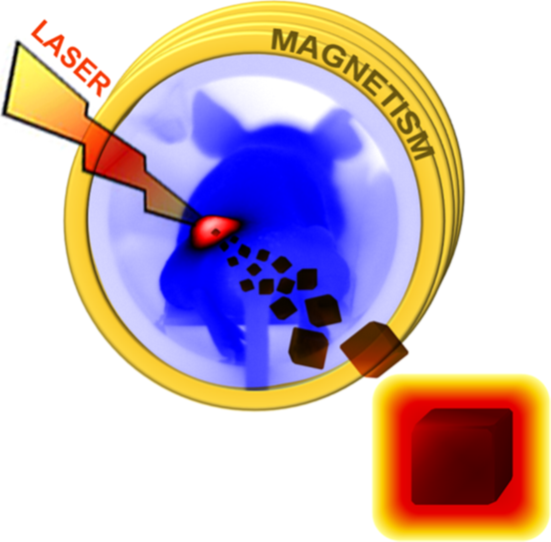
Title: Duality of Iron Oxide Nanoparticles in Cancer Therapy: Amplification of Heating Efficiency by Magnetic Hyperthermia and Photothermal Bimodal Treatment Authors: Ana Espinosa, Riccardo Di Corato, Jelena Kolosnjaj-Tabi, Patrice Flaud, Teresa Pellegrino, and Claire Wilhelm DOI 10.1021/acsnano.5b07249 By: Ehsan Moaseri – Behzad Changalvaie In our previous…
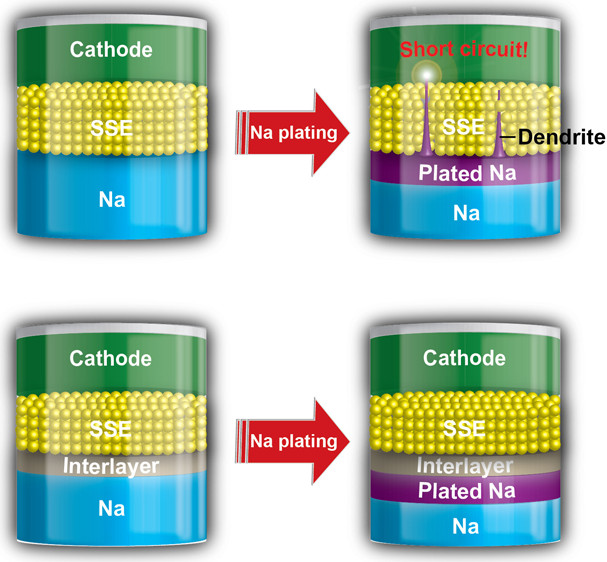
Title: Rechargeable Sodium All-Solid-State Battery Authors: Weidong Zhou, Yutao Li*, Sen Xin , and John B. Goodenough* Publication Info: ACS Cent. Sci., 2017, 3 (1), pp 52–57; DOI: 10.1021/acscentsci.6b00321 Publication Date : January 3, 2017 Electricity generated by photovoltaic solar panels has reached the pivotal point where it is…
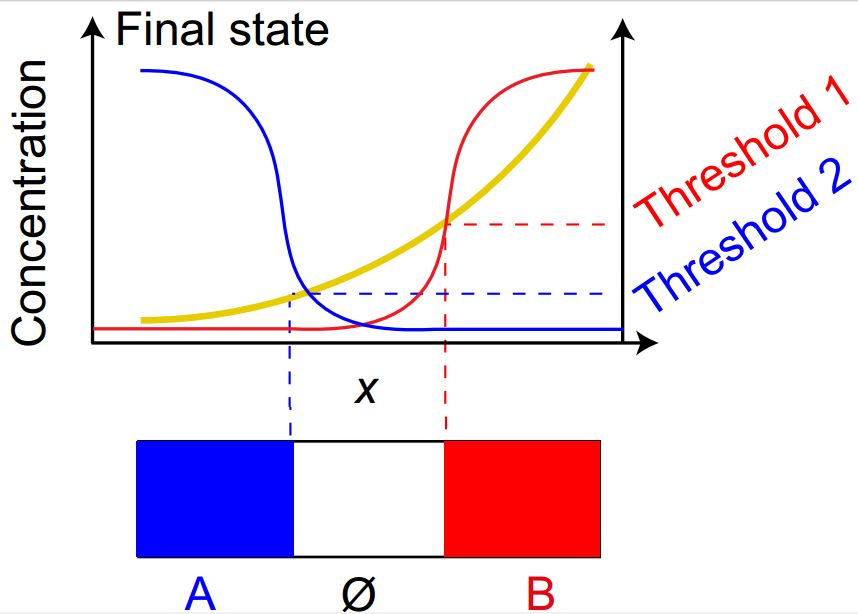
Using similar principles to those that guide embryos in early development to form different organs and tissues, this research could lead to artificial objects that are capable of patterning themselves into many different complex structures.
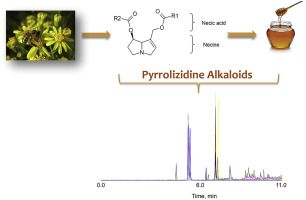
You are what you eat and we want to be safe with what we eat. We rely on testing methods as our guards, but how do we know if they are qualified?
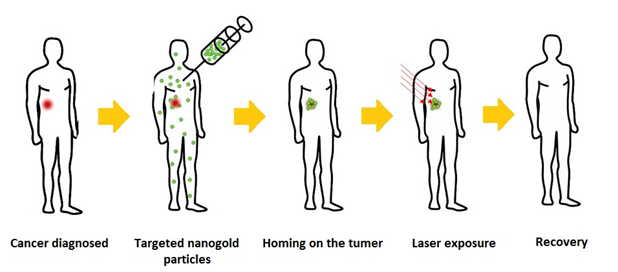
Title: Plasmonic photothermal therapy (PPTT) using gold nanoparticles Authors: Xiaohua Huang, Prashant K. Jain, Ivan H. El-Sayed, Mostafa A. El-Sayed By: Ehsan Moaseri – Behzad Changalvaie Cancer therapeutics have been a principal part of biomedical research in the past two decades. A significant portion of this…
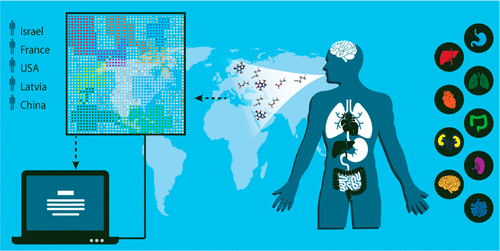
Title: Diagnosis and Classification of 17 Diseases from 1404 Subjects via Pattern Analysis of Exhaled Molecules Authors: Hossam Haick et al. Publication Info: ACS Nano, 2017, 11 (1), pp 112–125 DOI: 10.1021/acsnano.6b04930 This work reports on the development of a portable, inexpensive, and non-invasive breath analyzer that couples the use…
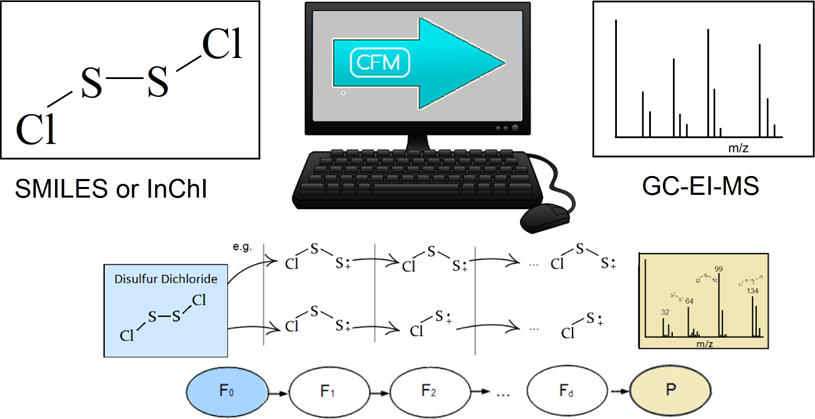
If you want to know about a molecule without chemicals, now you can without entering a lab. In this article, let us explore how computational power can benefit our understanding of molecules!
Our bones have the ability to heal themselves when exposed to mechanical stresses by forming new polymeric material, so what’s stopping scientists from doing the same synthetically?
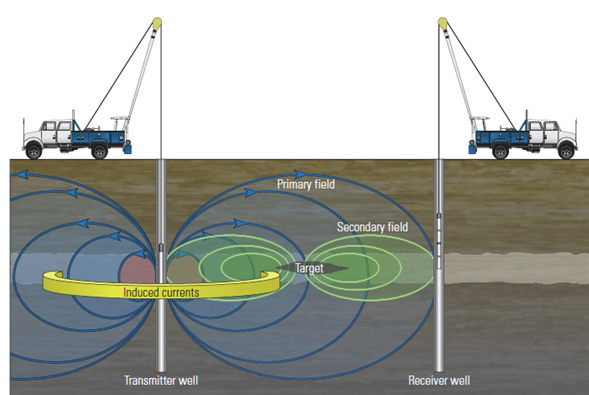
Title: Adsorption of iron oxide nanoclusters stabilized with sulfonated copolymers on silica in concentrated NaCl and CaCl2 brine Authors: Hitesh G. Bagaria , Bethany M. Neilson , Andrew J. Worthen , Zheng Xue , Ki Youl Yoon, Victoria Cheng, Jae Ho Lee, Sindhuja Velagala, Chun Huh,…
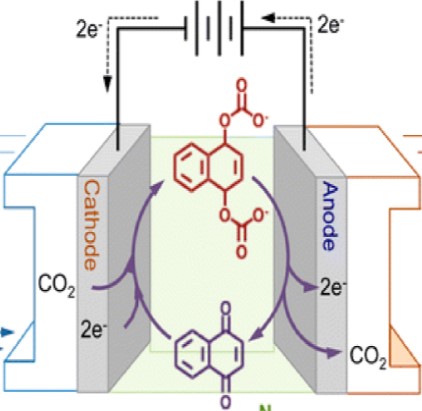
Title: Electrochemical Capture and Release of Carbon Dioxide Authors: Joseph H. Rheinhardt, Poonam Singh, Pilarisetty Tarakeshwar, and Daniel A. Buttry* Publication Info: ACS Energy Lett., 2017, 2 (2), pp 454–461, DOI:10.1021/acsenergylett.6b00608 This article is a perspective from recognized experts in the field of CO2 capture and release.…
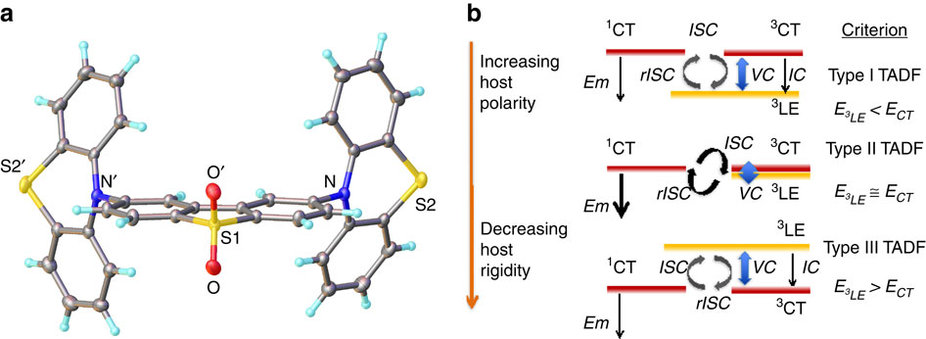
Advances in knowledge about light emission have brought breathtaking innovations in lighting and display technologies. The well-known light-emitting processes are fluorescence and phosphorescence. Let’s take a closer look into their dynamics and another light-emitting process: Thermally Activated Delayed Fluorescence (TADF)!
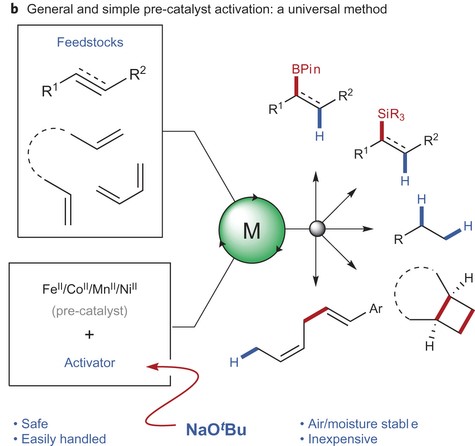
In order to keep catalyst-based industries sustainable and profitable, new catalysts need to be developed that utilize inexpensive, earth-abundant materials. The authors here present a novel method for easily forming stable earth-abundant metal catalysts, which are inexpensive and sustainable alternatives to precious-metal catalysts.
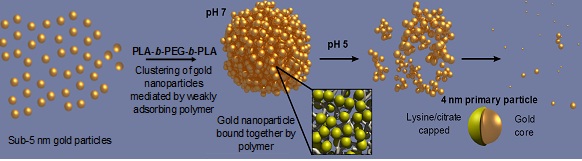
Title: Controlled Assembly of Biodegradable Plasmonic Nanoclusters for Near-Infrared Imaging and Therapeutic Applications Authors: Jasmine M. Tam, Justina O. Tam, Avinash Murthy, Davis R. Ingram, Li Leo Ma, Kort Travis, Keith P. Johnston, and Konstantin V. Sokolov Journal: ACS Nano Gold has been historically a great…
