In this article, explore the tiny molecules that could be used for computational work in future of smartphones! Inspired by your own body, machines made from molecules could be the next generation of computers!
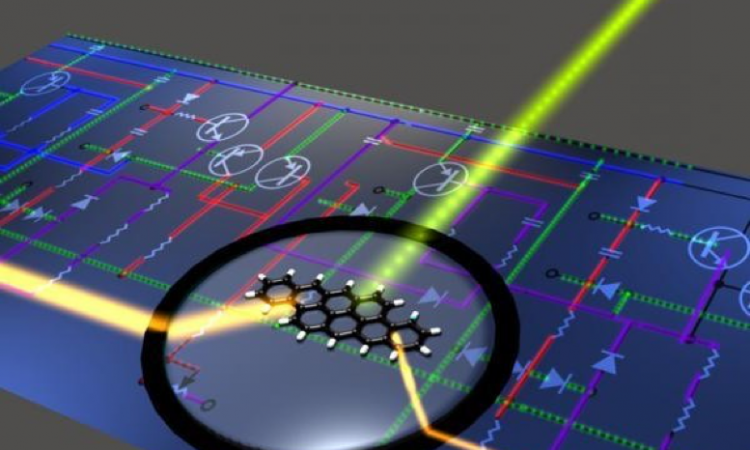
In this article, explore the tiny molecules that could be used for computational work in future of smartphones! Inspired by your own body, machines made from molecules could be the next generation of computers!
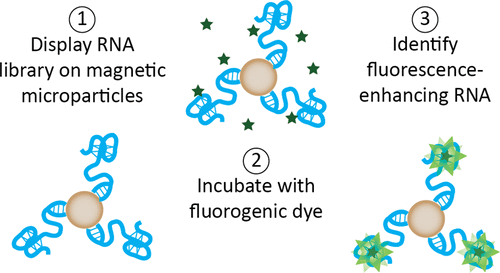
Nucleic acids are incredibly versatile molecules that can perform functions way beyond their canonical roles in biology. Here, RNA sequences are “evolved” to bind and enhance the fluorescence of a small-molecule dye, welcoming the idea of RNA for robust fluorescence imaging!
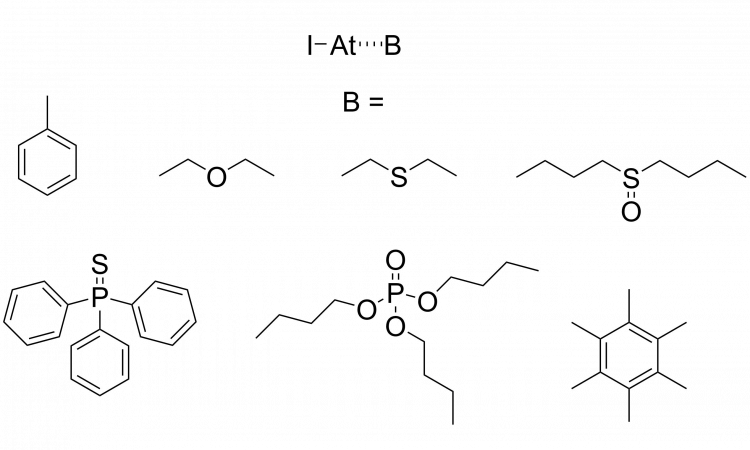
How much do you look beyond the top few rows of elements in the periodic table? Prepare to do just that in today’s chembite as we explore some astatine chemistry!

Learn about the molecular dynamics occurring in bulk liquid water that allows it to be such a powerful material.
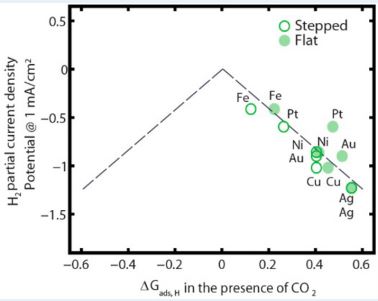
With metal catalysts, we can extract electricity from CO2 – reducing carbon emissions and creating renewable energy tech at the same time! There’s just one little problem, and it’s name is hydrogen…

Ever had your phone die out of nowhere? Wonder how you’re going to charge your Tesla on your next road trip? Researchers from the University of Cambridge have got your back – they’ve developed a single material that doubles as a battery and a solar cell.
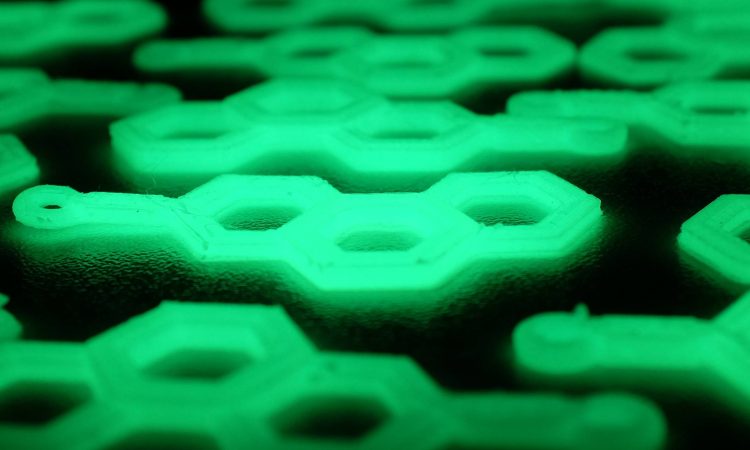
Printing is cool, but 3D printing is cooler! Instead of words on a page, you can print spoons and forks and even houses! And today, you’ll see the coolest 3D printing – printing chains of molecules, simply with light!
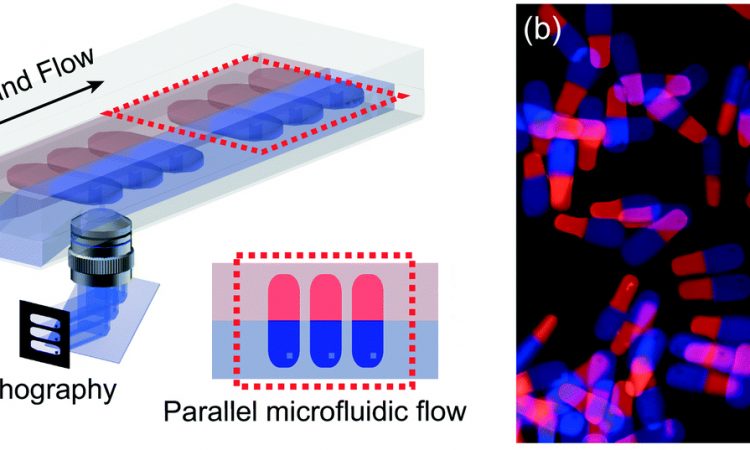
Tailoring treatment for a specific patient is the future of medicine. Let’s learn about making tiny pills that are “smart” enough to know where to dissolve in the body!
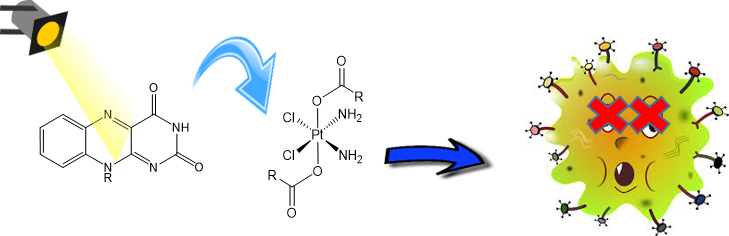
How can flavin and flavoprotein help with cancer therapy? A very nice example of biorthogonal chemistry and its potential.
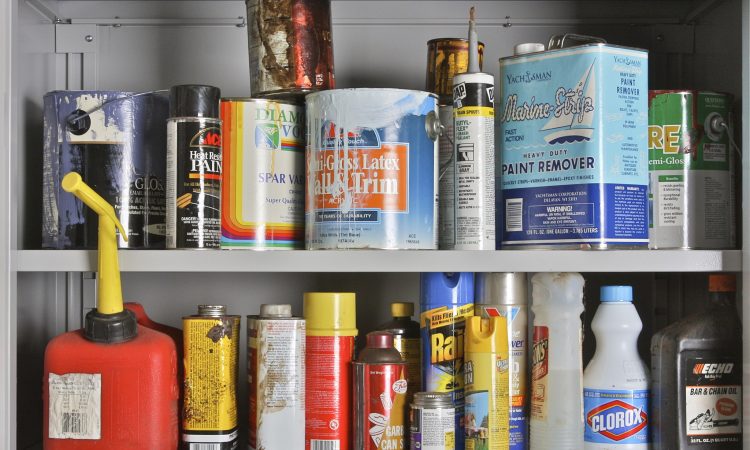
Is your deodorant contributing to air pollution and human health risks? Find out here!
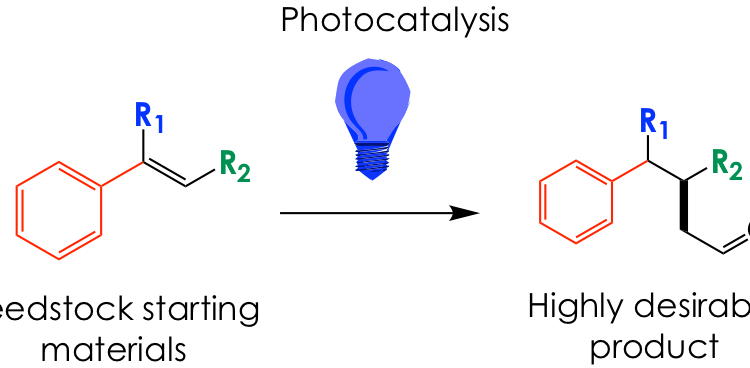
Photoredox catalysis is at it again! This time it is used to synthesize polysubstituted aldehydes – highly useful building blocks – from readily available styrenes and vinyl ethers.

Random change has been powering life’s evolution for billions of years. Can it also power the evolution of artificial biomolecules?
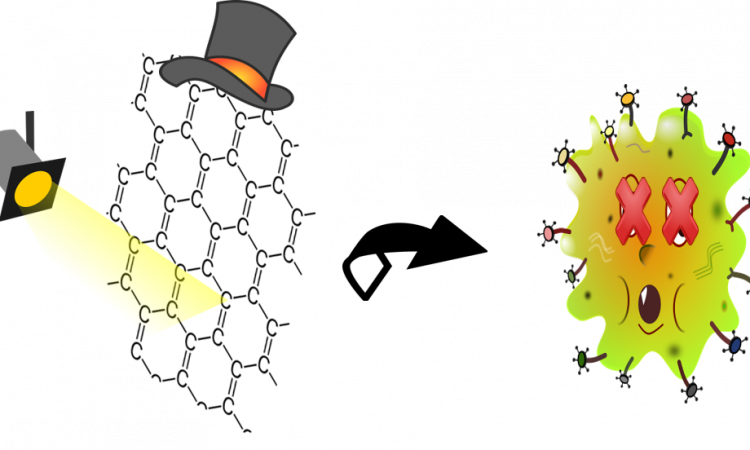
The authors of this paper can make a photodrug from a special type of graphene.
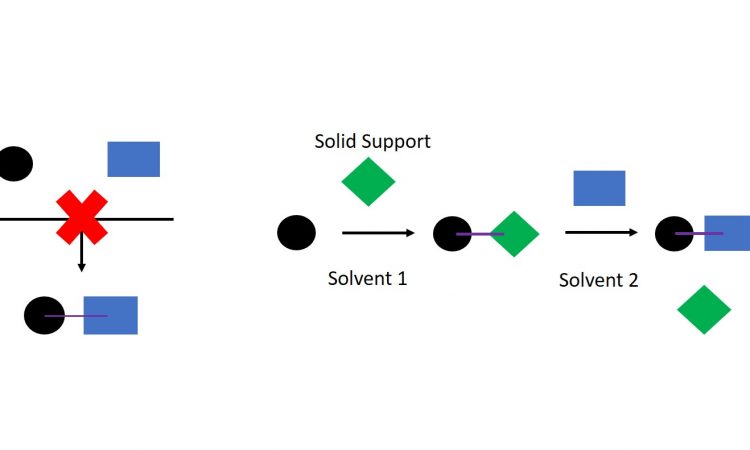
We know that complementary functional groups are needed for strong intermolecular interactions, and that thermodynamics favours hydrophilic and hydrophobic groups each keeping themselves to themselves. So, problems can arise when trying to react very hydrophilic and very hydrophobic molecules together. This group of scientists has devised a way around the problem using a technique called solid-phase synthesis.
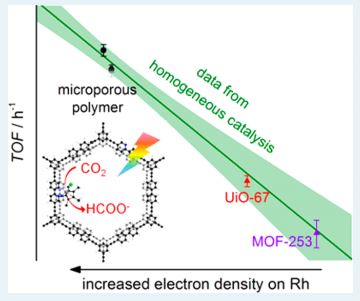
This work describes an approach to prevent self assimilation of catalysts to increase their lifetime. It also finds a Hammett correlation between different substituents present on the catalysts and the rate of catalysis in both homogeneous and heterogeneous phase.
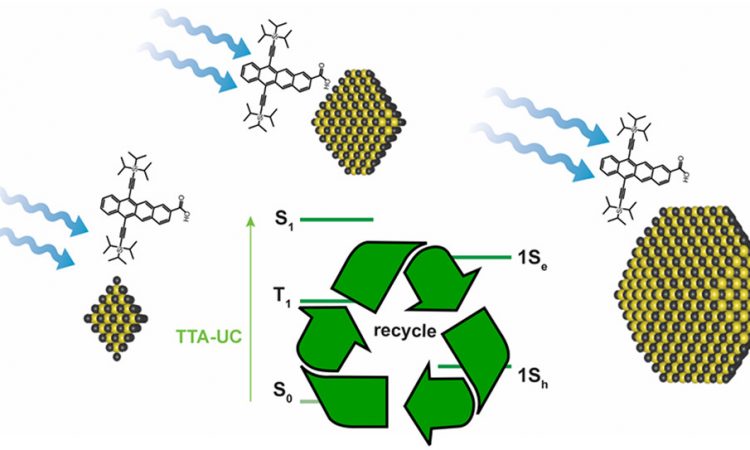
Quantum dots are fascinating super small solids. Highly conjugated tetracene is an electronically active organic molecule. When these two are mixed, electrons bounce around in amazing ways and these researchers found out how.
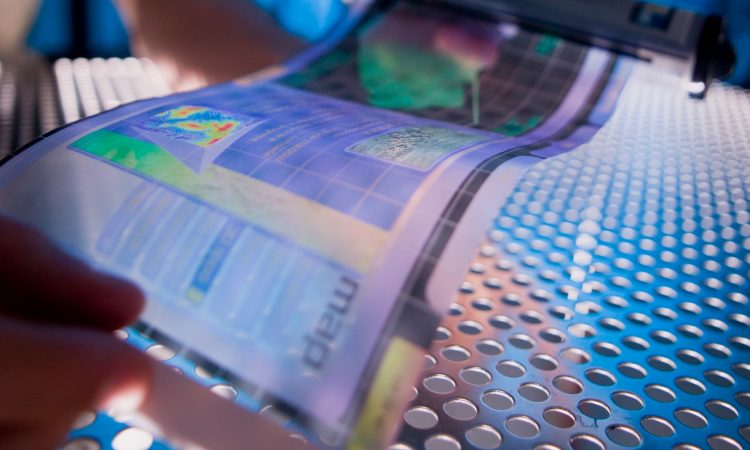
Flexible touch screens and see-through electronics could be closer than you think! Let’s learn about a new way to make transparent conductors with silver nanowires!
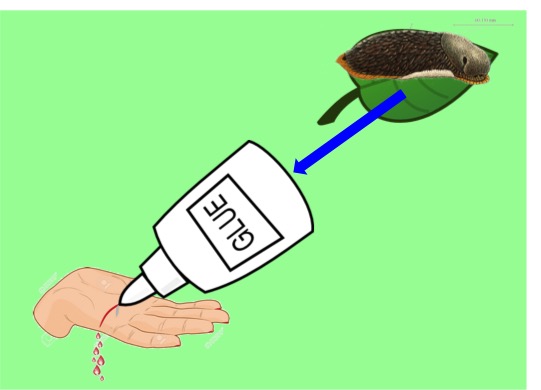
Feeling disgusted by slugs? It’s ugly, wet, and giving us an unpleasant slippery sensation. Yet it is the inspiration of new chemistry innovation!
Read this article and say thanks to slugs, which have inspired scientists to invent a new glue for medical therapies!
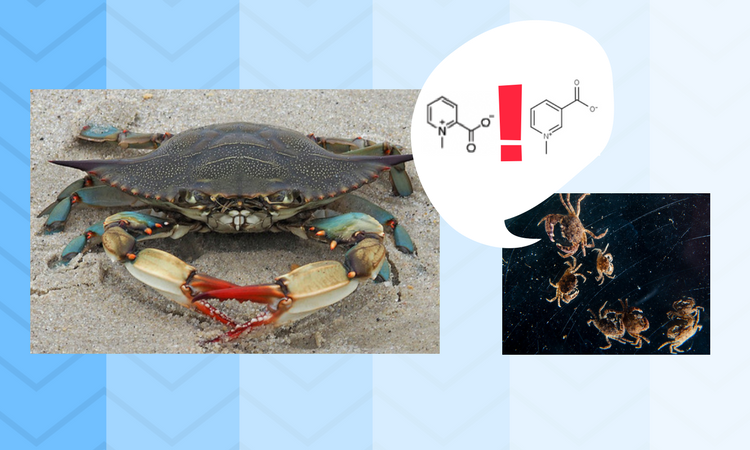
Researchers dive into the problem of analyzing marine predator-prey interactions on a molecular level. Through a combination of NMR and MS, these scientists identify two chemicals that alert mud crabs to the threat of a mighty adversary: the blue crab.
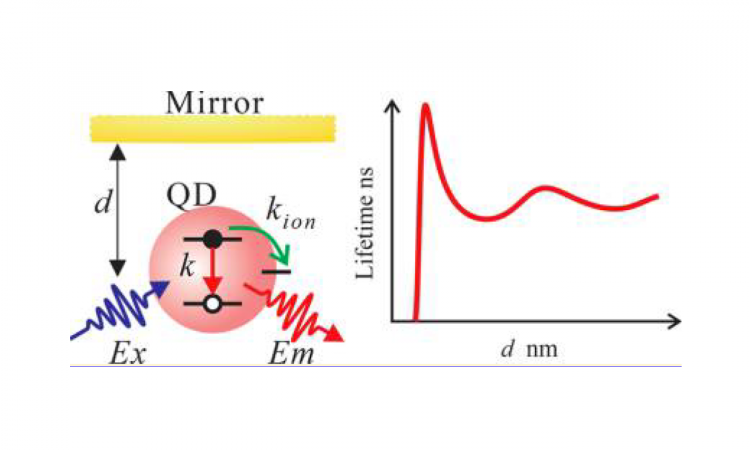
You probably look in a mirror every morning: fix your hair, maybe even take a selfie. But the idea of using mirrors to look at molecules – that just sounds crazy, right? Maybe not – but you’ll have to read this Chembite to find out!
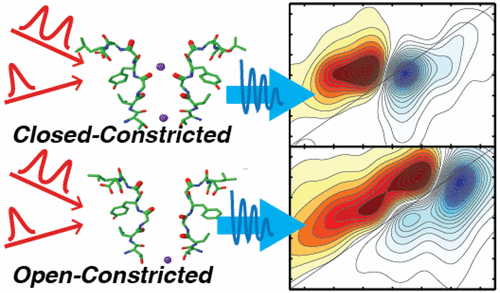
Learn how your cells use ions to communicate and how researchers can detect whether these gates are open or closed.

Have you ever wondered what you’re smelling when you stick your nose into a glass of wine? Read this chembite to find out!
Neural networks have been used to write fanfiction, generate pictures of fake celebrities, and draw dream-like psychedelic images from photographs. But did you know they can make chemistry easier, too?
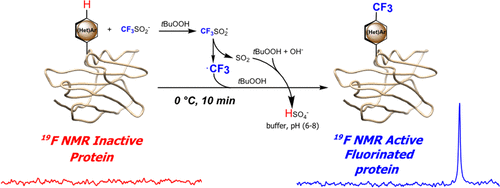
Read about this new approach to selectively install fluorines into proteins using a mild radical source.
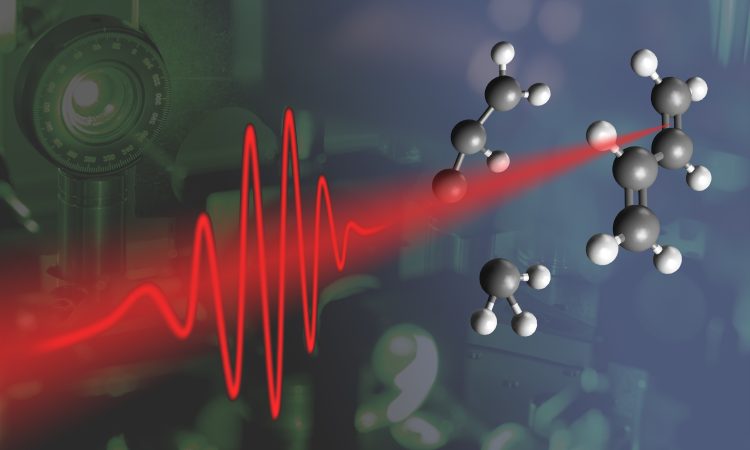
Heating a chemical reaction to accelerate the reaction rate is like setting phasers to kill, it may get the job done but it’s certainly not the most elegant or effective method. What if you could provide just enough energy to break the appropriate bonds and control exact product outcomes without wasting energy?
