A new form of DNA was found in vivo. It can be a way to regulate the DNA replication and thus prevent the replication of tumor cells.
A new form of DNA was found in vivo. It can be a way to regulate the DNA replication and thus prevent the replication of tumor cells.

Today’s Chembite looks at a remarkable new way of separating enantiomers – using a magnetic field.
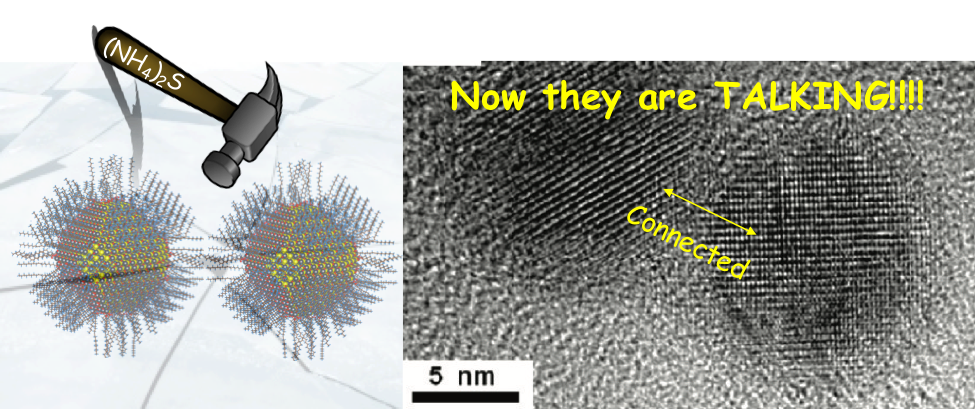
Currently, nanoparticles are not talking to each other while working. In this article, we explore how researchers break the ice between nanoparticles and design a new class of materials by establishing a connection.

Researchers have designed a reversible prodrug delivery system using pH sensitive peptide sequences.
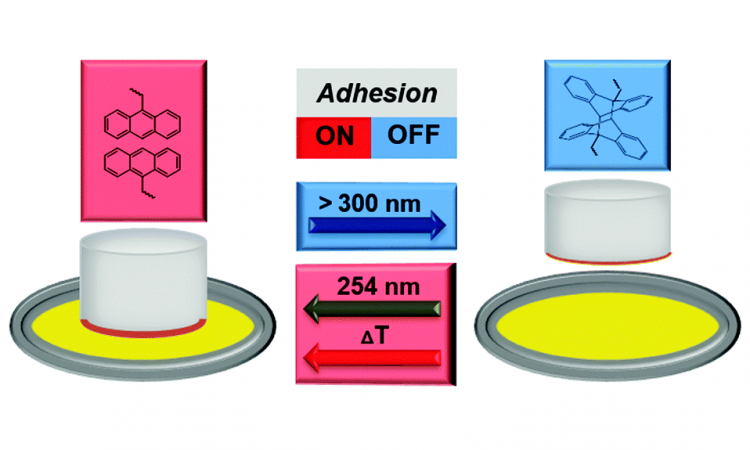
Let’s learn about a new material that can be made sticky or not sticky with just light!
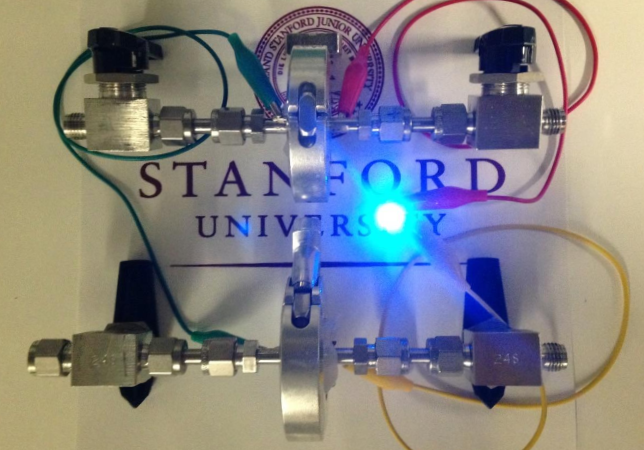
For solar and wind to be viable technologies, large scale and cost effective batteries are sorely needed. Now, researchers have made a totally new type of battery, based on cheap manganese sulfate, that fits this bill. Their large proof-of-concept proptoype battery reached ~97% and powered a blue LED for hours!
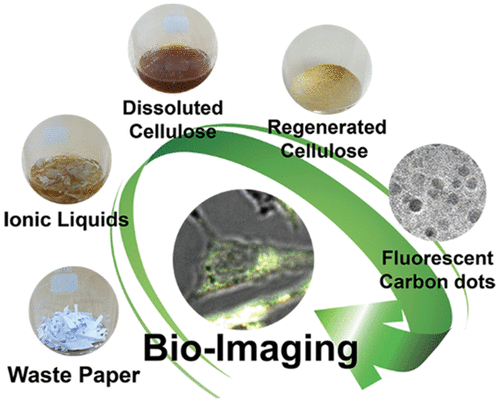
What do you think we can make from waste papers? Newspaper? Carton boxes? Another paper? What about bioimaging sensors? Let’s learn more about ’em!

Researchers discover new formation pathways for oxygenated hydrocarbons in combustion.
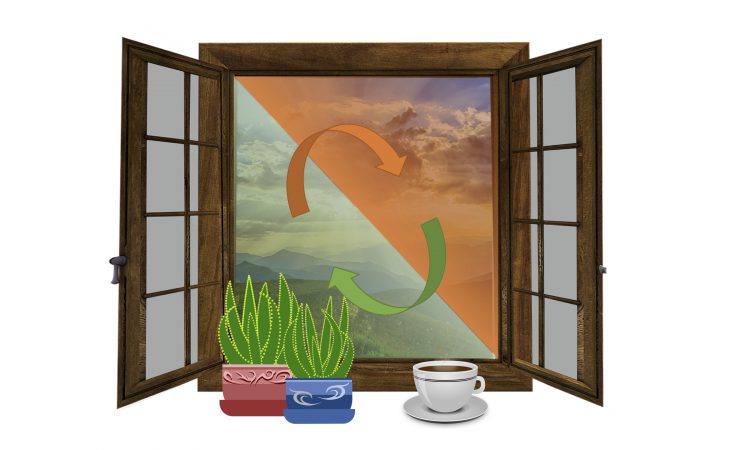
Feeling blue? The chemistry of new “smart windows” could help – with a coating that adjusts to the outside temperature and a color filter that you can switch at will, they could be the perfect mood lighting for your energy-efficient home.
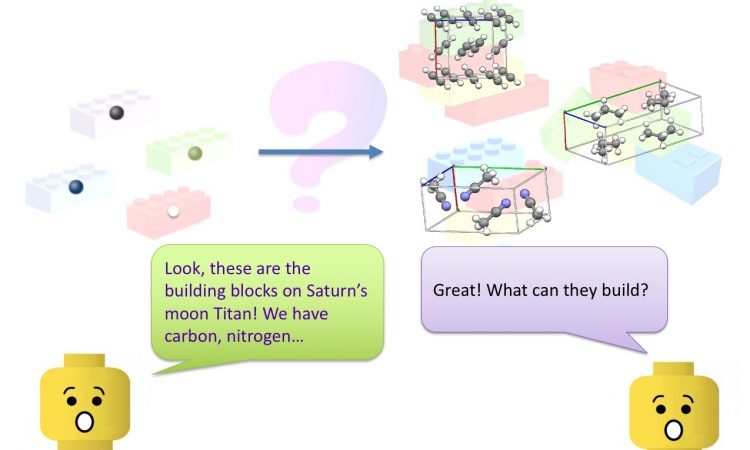
Thanks to observations from both spacecraft & telescopes on Earth, we know much about how chemicals are distributed throughout the cosmos. But they don’t always tell us what the materials are. Today, ANSTO scientist Helen Maynard-Casely explores the materials that might make up Saturn’s moon, Titan! Welcome Helen!

Algal blooms aren’t the most aesthetically pleasing plant in a lake region, but did you know their emissions can impact air quality and human health?

Birds and other migratory animals use the Earth’s weak magnetic field to navigate, but what do they use as a compass? While previous research has uncovered some promising candidates, not until now have experiments identified a compass sensitive to fields as weak as Earth’s – DNA repair by photolyase.
Water is a really special liquid: its characteristics allow the existence of life as it is. But It can still amaze us: a new form of liquid water has just been discovered at -80 °C.
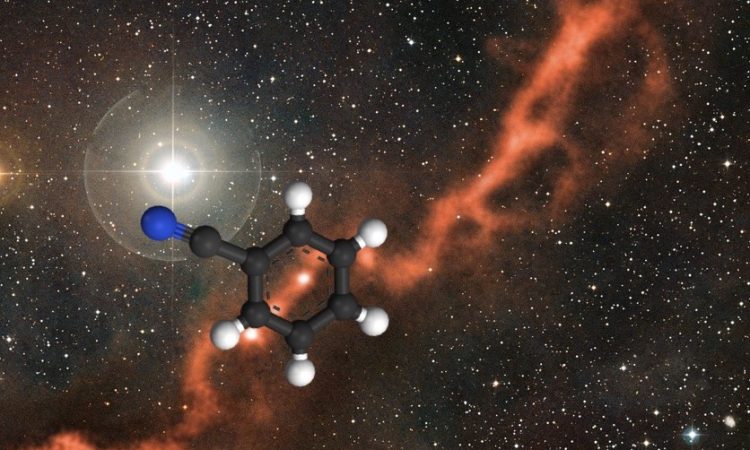
Outer space has lots of radiation. But there’s one kind, a faint infrared glow, that has appeared as a mystery to many scientists.
By following this mysterious light, scientists have now made a great discovery – seeing an aromatic molecule for the first time in the galaxies!
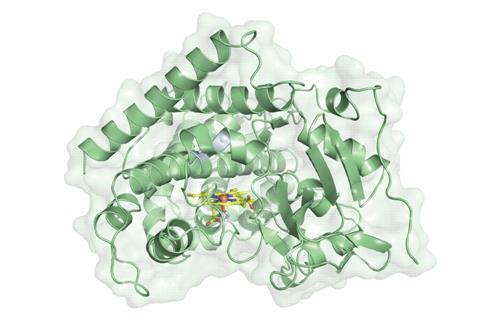
Learn how researchers at Caltech artificially evolved proteins to synthesize some of the most challenging tiny molecules in organic chemistry!

Human odors and skin oils can be detected by hand-held sensors in order to aid in urban search and rescue efforts.
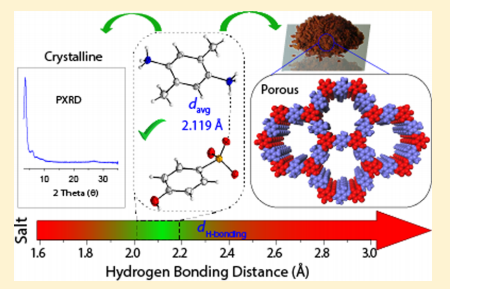
This work reports a solvent-free solid-to-solid synthesis method for covalent organic frameworks (COFs), which is very promising from a greener and cleaner chemistry standpoint. The researchers found that hydrogen bonding within the starting material plays a key role on the porosity and crystallinity of the final COF.
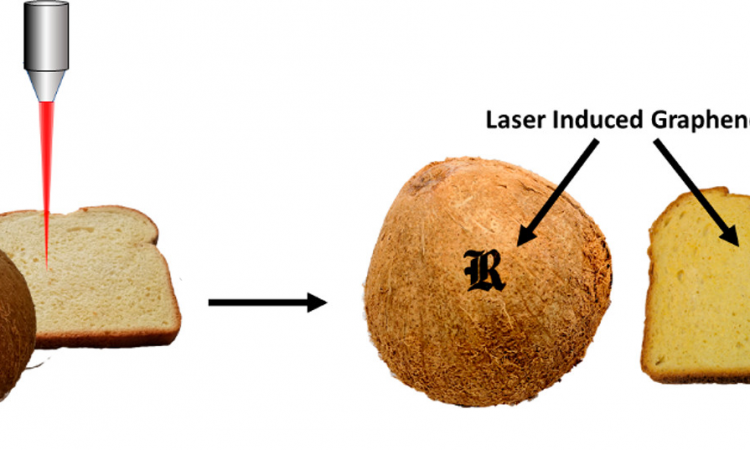
Graphene is a wonder-material that is nearly indestructible, conducts electricity, and flexible enough to be worn. Let’s learn how to make it with lasers on the surface of carbon-based materials!

Find out what “photochemical barcodes” are and how they might help us understand complex biological processes.
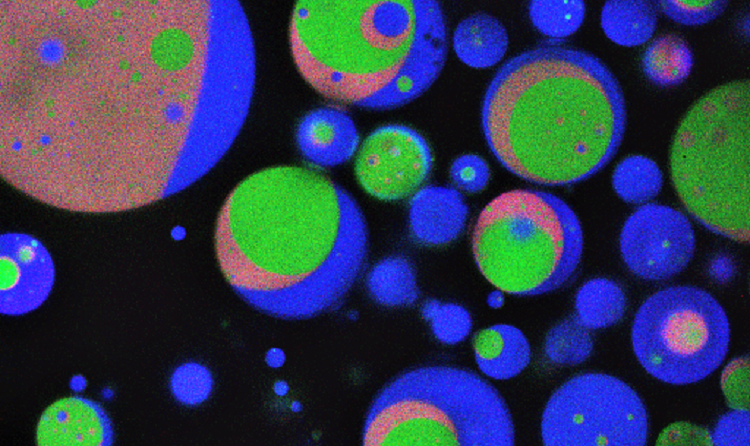
With only the 1,000 most commonly used words in his arsenal, Charlie explains his research making water droplets that simulate a cell-like environment.

Mountain Pine beetles in western North American forests have killed many trees and these researchers have uncovered a new chemical signature of their spreading impact.
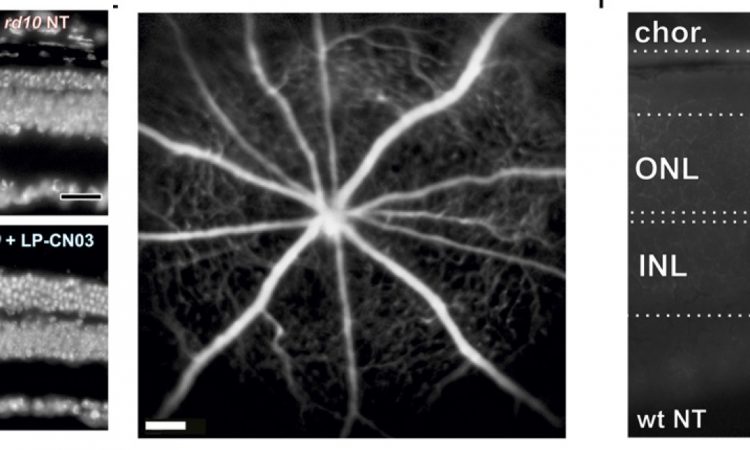
Hereditary retinal degeneration destroys rod and cone cells in the eye, slowly blinding those who suffer from this disorder. Researchers have developed of one of the first therapeutic systems designed to combat the devastating effects of retinal degeneration — read today’s Chembite to learn more!
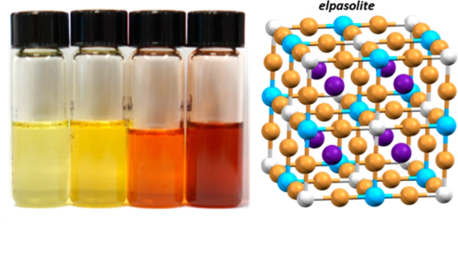
Lead based perovskite is an exciting new material for solar energy, but it’s based on lead. These researchers found a way around that, making new double perovskite materials based on silver and bismuth. This new synthesis has exciting future in making perovskite solar panels into a environmentally friendly technology.

The fearless leader of Chembites, Elizabeth Lam, explains her research on quantifying pesticides in food. The catch: she can only use the 1,000 most common words in the English language!
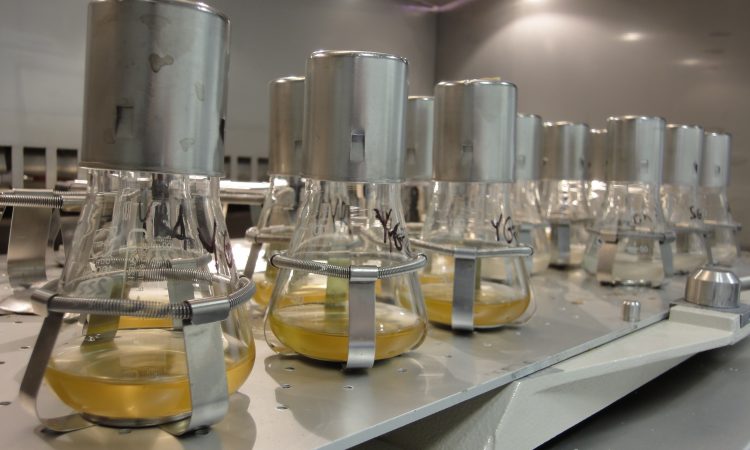
They gave us beer, bread, and cheese – now microorganisms make the building blocks of new polymers.
