We have been trained to be adaptive to our environment in our daily life. Same for chemists to train computers to model atoms. Let’s look at how chemists make functions adaptive to different situations!
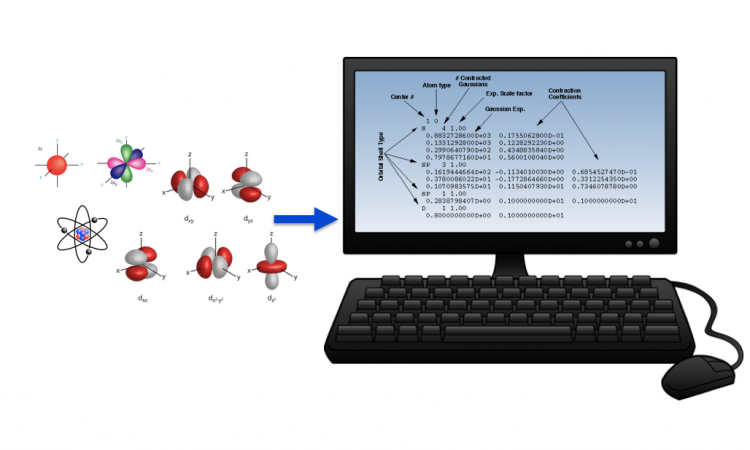
We have been trained to be adaptive to our environment in our daily life. Same for chemists to train computers to model atoms. Let’s look at how chemists make functions adaptive to different situations!
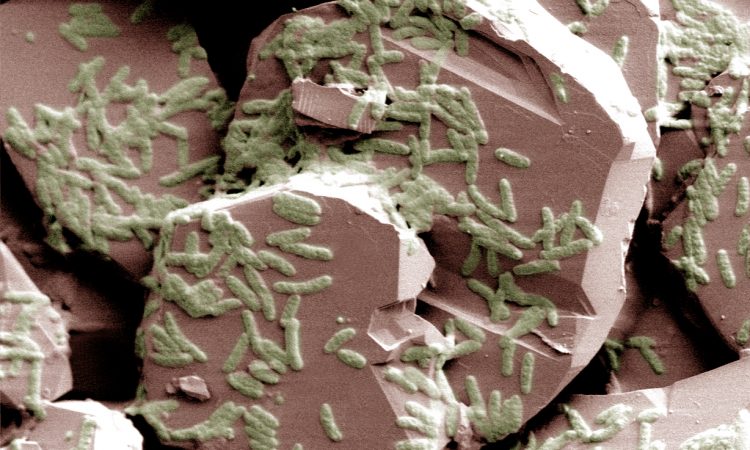
The development of microbe-based, “green” fuel cells is hampered by unreliable methods for bacterial growth on conductive surfaces. Researchers are now one step closer to a strategy for coverage using DNA-based targeting!
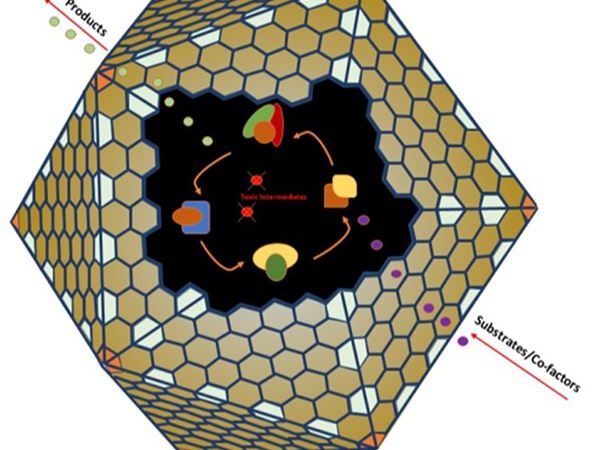
Biological catalysts and inorganic catalysts each have their own advantages and it is sometimes difficult to choose one or the other. So why not combine them into a powerful hybrid catalyst? That’s exactly what the researchers did in this recent article from ACS Catalysis.
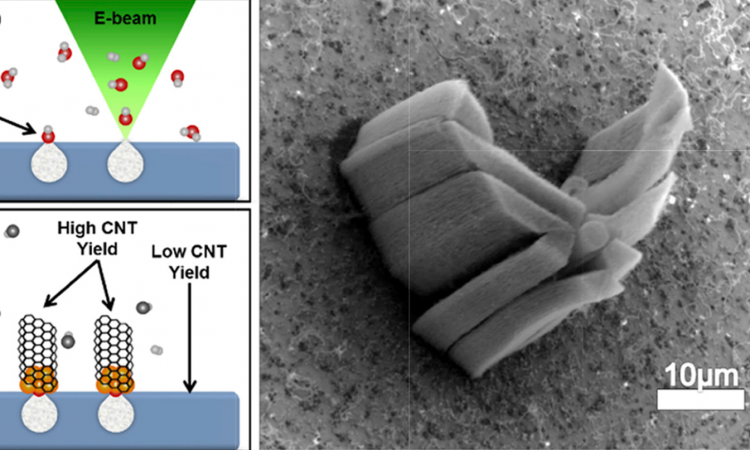
Carbon nanotubes have material properties straight out of a science fiction novel. Yet, it is still difficult to assemble carbon nanotubes into organized structures where the science fiction-like properties can really shine. Discover what researchers are doing to solve this problem!
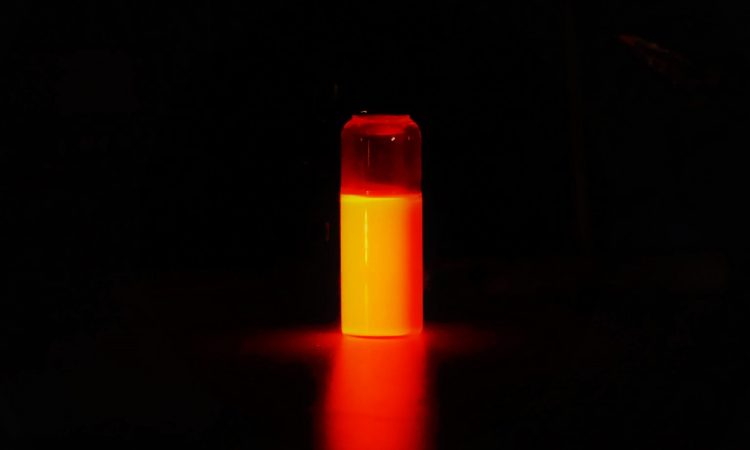
Control at the atomic scale is being realized by researchers across the world through synthesis of quantum dot materials. Take a look at an overview of what makes these tiny particles so special.
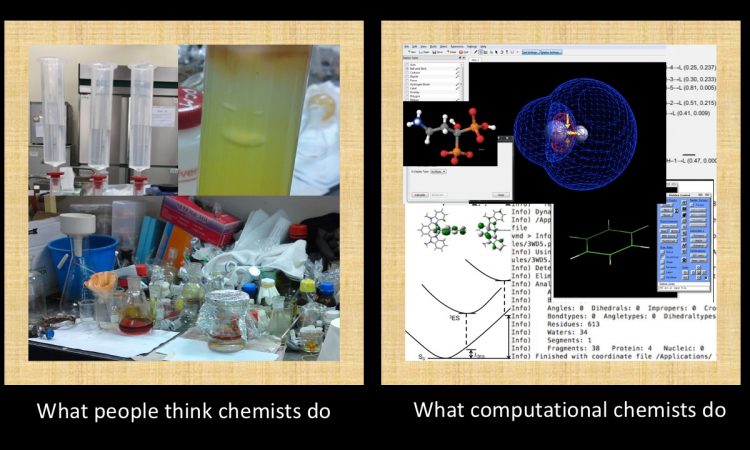
Computational chemistry is much more than computers and chemistry! Let’s have a brief tour in the world of computational chemistry!

Learn how researchers design and test safer air filters to combat air pollution!
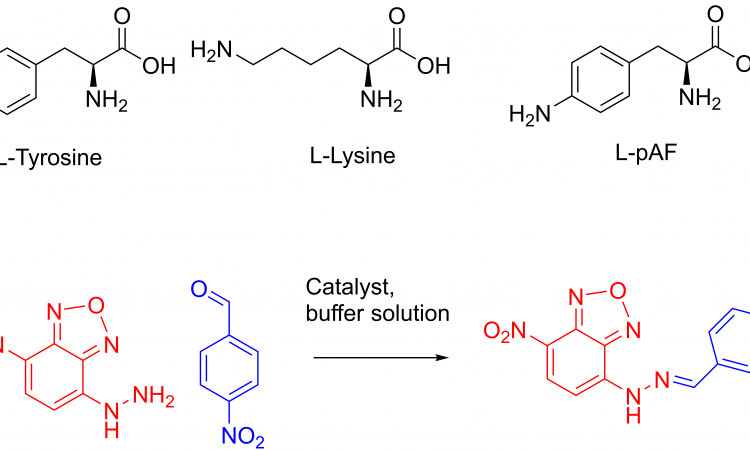
Enzymes are nature’s catalysts. But there are not enough enzymes for all the reactions in the world! How do chemists design enzymes? Let’s take a look!

Fake medical tests are a huge problem in many poorer countries. Let’s learn about a way to print erasable codes on these devices so they can’t be counterfeited!

Machine learning? Deep neural networks? Find out how advances in artificial intelligence could help scientists discover new materials.
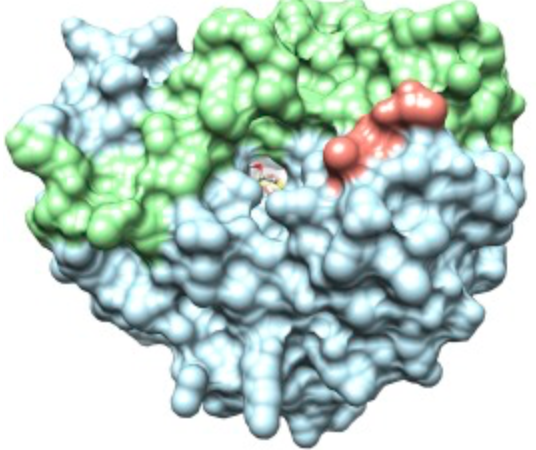
Successful resistance to a viral infection requires the host to deploy incredibly intricate biological tactics that somehow selectively inhibit key processes in the viral lifecycle. In this paper, researchers delve deeper into the molecular mechanisms of one of such resistance mechanisms!

How can chemistry help preserve our cultural heritage?
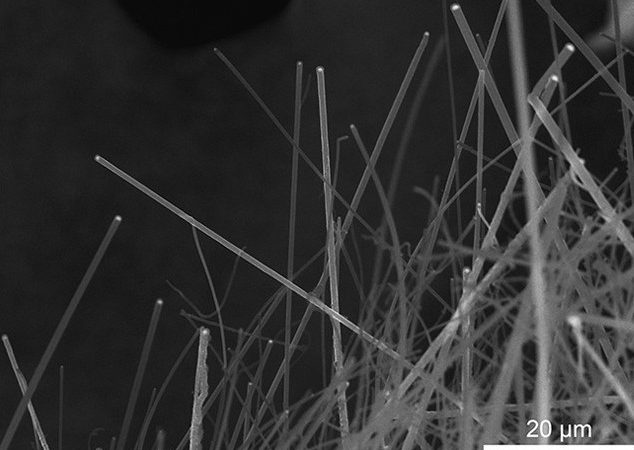
Nanowires are part of the future of smaller, smarter electronics. Here’s a interesting new method of making metal nanowires.
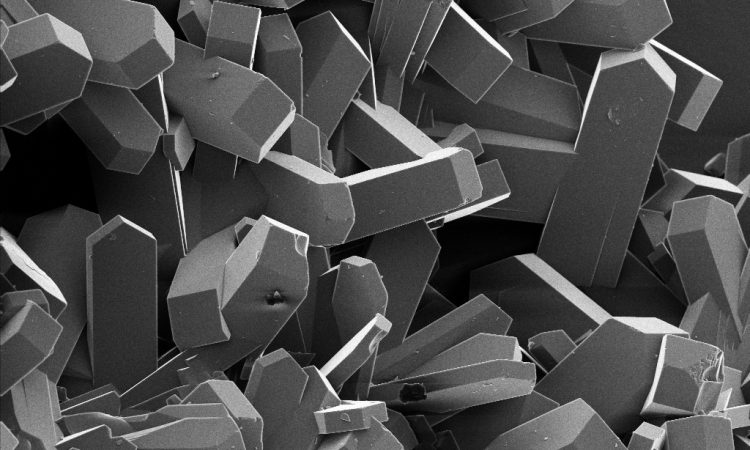
Catalysis is a common chemistry concept, but there are many intricacies involved. Check out some of these lesser-known facts!
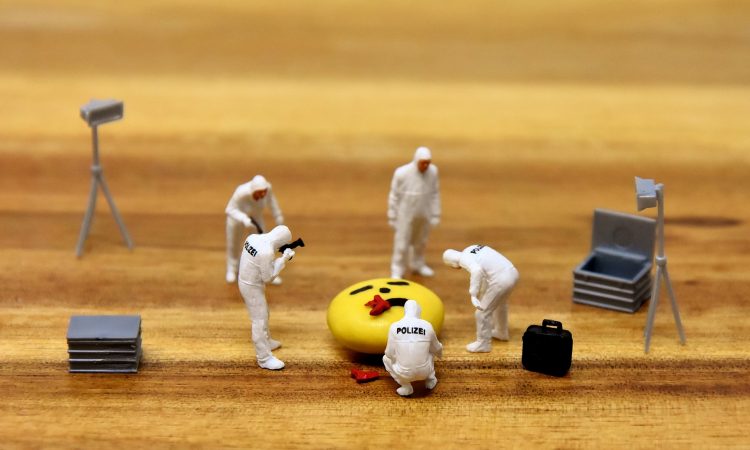
Researchers have expanded the forensic analytical chemistry toolkit to include a model for Raman spectroscopy identification of blood donor age.
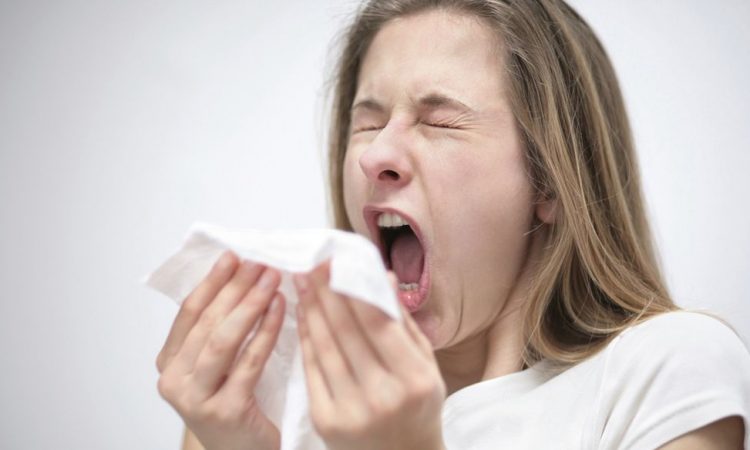
Although getting the common cold is not a nice experience, it is only a relatively minor misfortune for most people. But the consqeuences of a cold can be severe. This paper describes a significant step towards a cure!

Scientists uncover a method to create a new adhesive from plant matter!
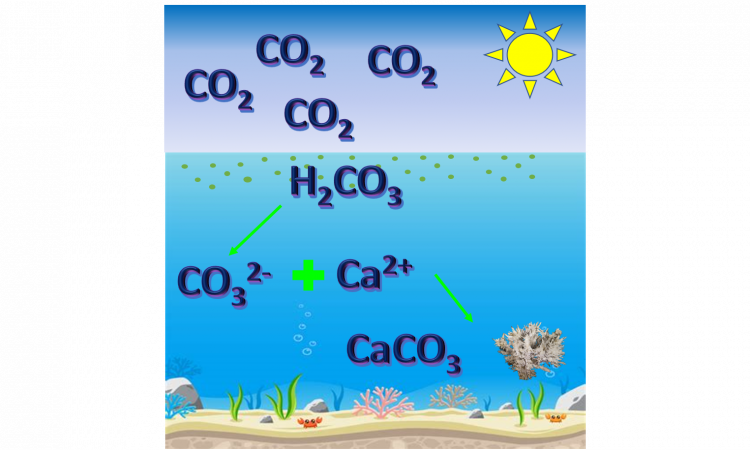
The sea can sequestrate carbon dioxide from the atmosphere and some rocks can help to enhance this phenomenon! But which ones? and how?
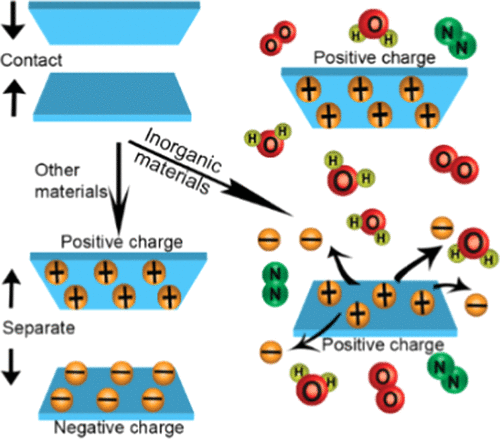
Rub a ruler with a wool and hold it towards paper bits, then you’d find the ruler attracts papers. This may sound a common sense to you – the two surfaces have opposite charges.
But now, researchers find that not all materials behave the same and the reason is still a mystery.
Let’s take a look at the charges that challenges scientists!
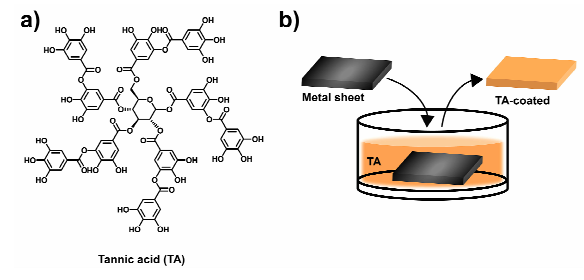
Making surfaces that oil can’t stick to is important for cleaning up oil spills and other pollution. Let’s find out about a new way to coat surfaces that makes them repel oil!
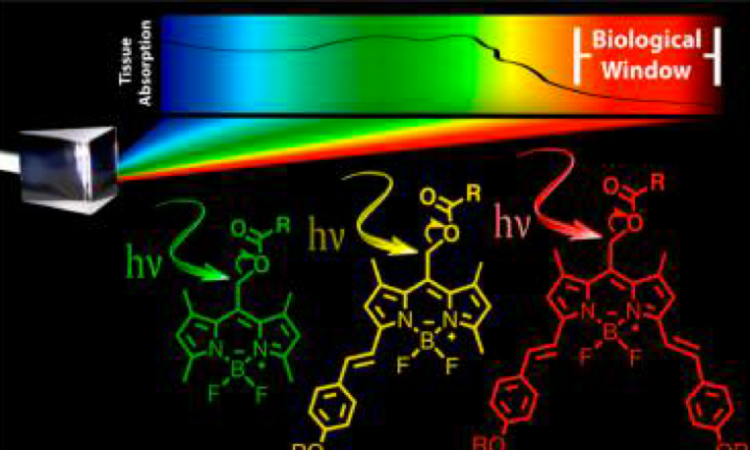
What will medicine look like 10 years from now? Well, your doctor might be shining a light on you to help target drug delivery in your body. Read more about drug delivery using molecules called photocages inside!
Aging infrastructure containing lead contaminates too many water sources in the US, and worldwide. For the first time, researchers have developed a material, based on a metal-organic framework, that almost instantaneously brings lead- and mercury-contaminated water to safe drinking levels. Could this be the next generation of water filters?
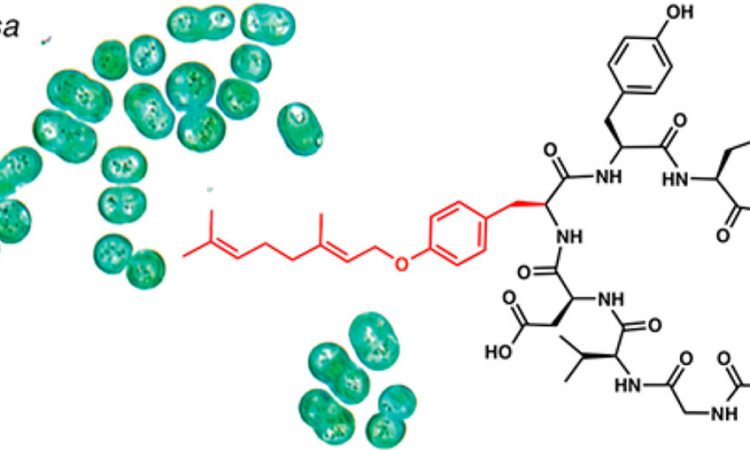
Microorganisms are particularly remarkable at churning out structurally challenging small molecules with interesting biological functions. In this work, an unprecedented chemical transformation in one such natural products is discovered and characterized.
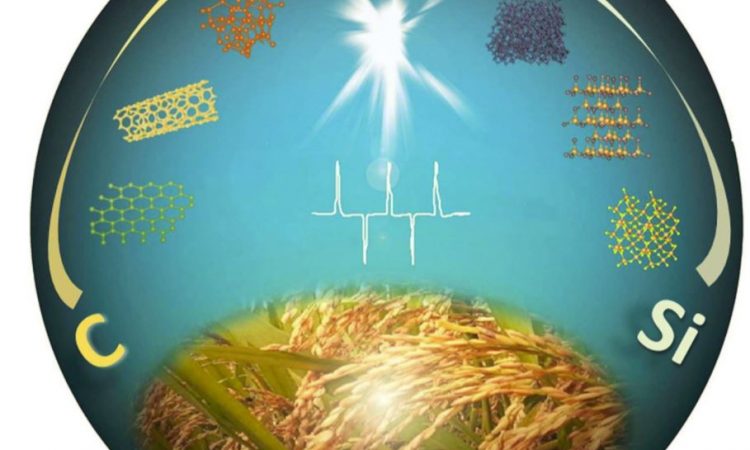
Discover how rice husk be converted into structures like carbon nanotubes and lithium battery anodes!
Given our current rate of plastic consumption and generation, can our planet win over plastic? Can we save our planet and still use plastic? In this article, discover how chemists at Colorado State University have synthesized a new kind of plastic that can be recycled infinitely without losing its functionality!
