During thousands of years of burial, cereals from ancient artifacts are degraded and consumed, but ergot fungi produce a fingerprint of lipids that we can use to trace them.
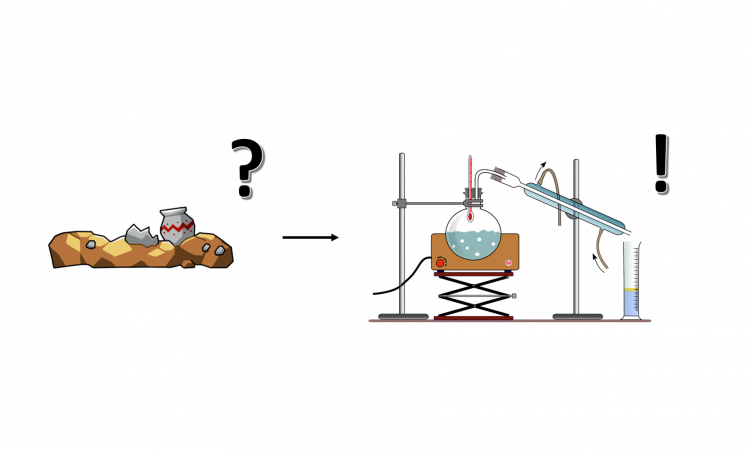
During thousands of years of burial, cereals from ancient artifacts are degraded and consumed, but ergot fungi produce a fingerprint of lipids that we can use to trace them.
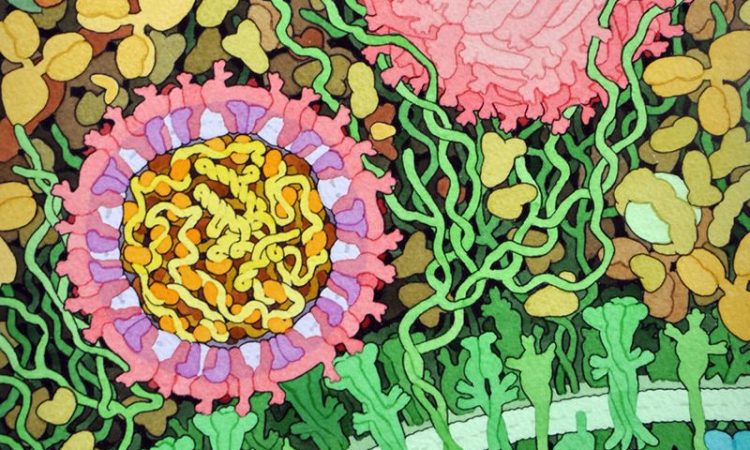
Title: Synergistic effects of stereochemistry and appendages on the performance diversity of a collection of synthetic compounds Authors: Stu Schreiber et al. Journal: Journal of the American Chemical Society https://pubs.acs.org/doi/10.1021/jacs.8b07319 Year: 2018 The ability to rapidly evaluate what a chemical compound does to a cell, and…
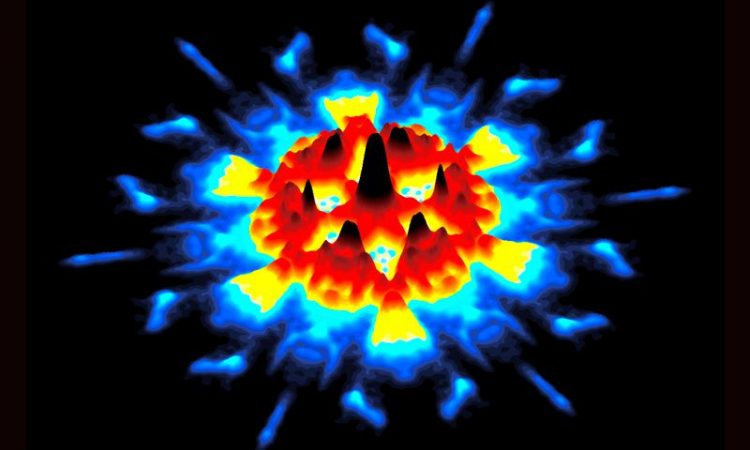
We have always been told that do not compare apples and oranges! They are completely different! Well a mathematical theory based on surface of material finds them similar. This theory applied by physicists in materials research has discovered new exotic phase of matter called topological materials. In this article, learn about the unique nature of this exotic phase, approaches to make these materials and their wide-spread applications.
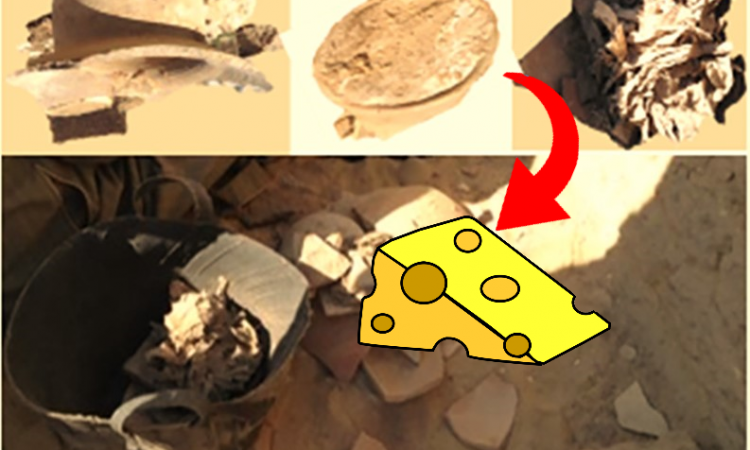
What can we learn when anthropology and chemistry join forces? Analytical chemists used proteomics to study the world’s oldest cheese sample discovered in an ancient Egyptian tomb.
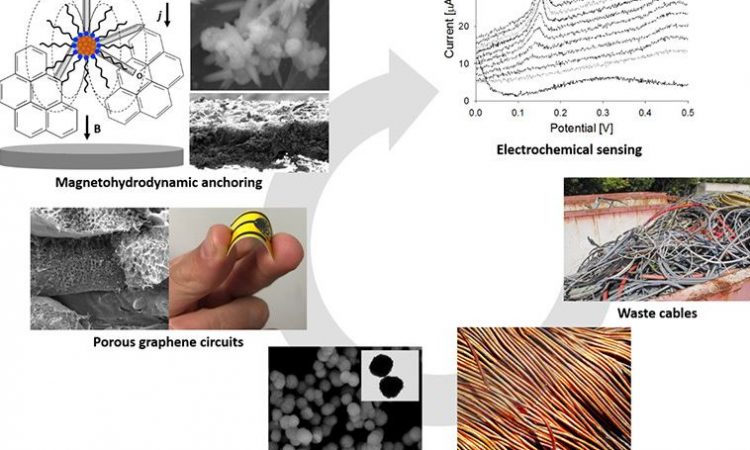
Modern technology is evolving at a mind-blowing rate, but what should we do with all of the obsolete hardware? Researchers are finding clever ways of recycling the old material – check it out!
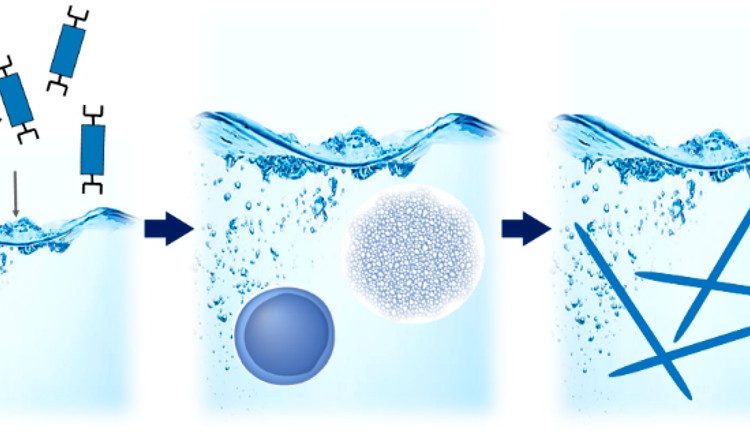
In this article you can learn about how researchers have taken images as crystals form out of a liquid.
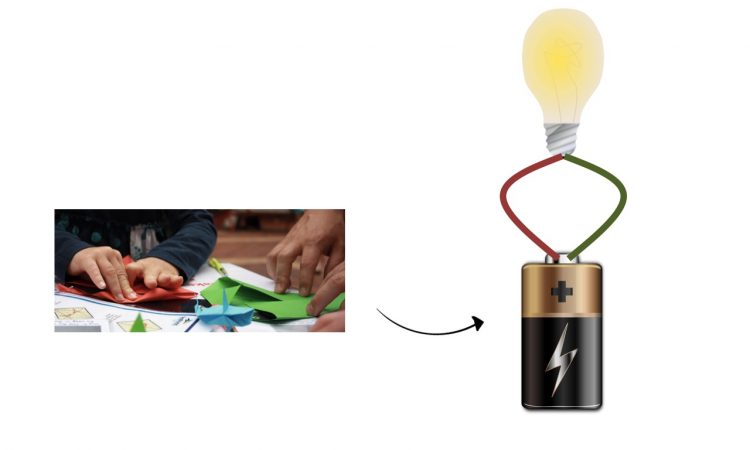
Art could show the beauty of science. But art could also put science to work in real life!
Let’s learn from researchers about how origami can turn paper into a real battery!
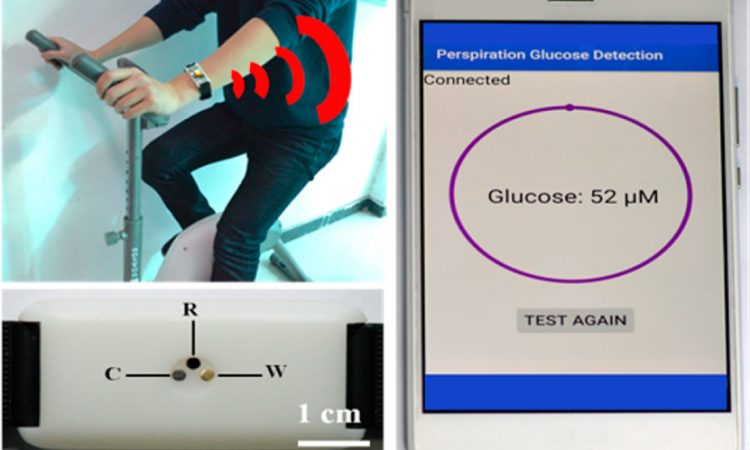
Measuring blood sugar levels by pricking your finger is painful and inconvenient. Learn about a new wearable device that measures your glucose levels with just your sweat!

The controversy over TiO2’s hydrophilic/hydrophobic transition has been examined in new detail – with researchers concluding that atmospheric molecules can attach onto TiO2’s surface, changing its chemical properties.

Scientists have developed a clever time-resolved FRET screening method to identify drug candidates for the prevention of heart failure.
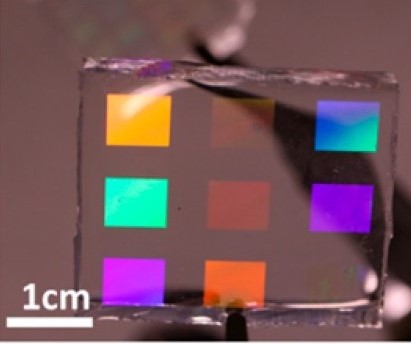
Optical electronics are the future of technology. Take a look at how a new printing technique may enable chip scale manipulation of light via gold nanoparticles.
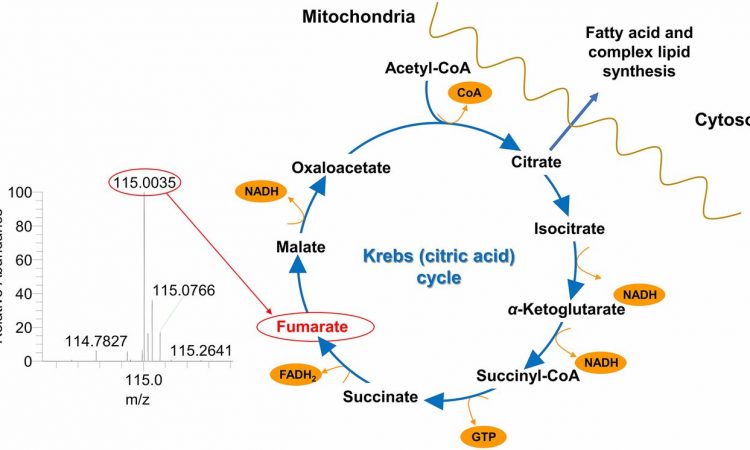
The idea that a full body scan can give comprehensive medical prognosis may be closer than we realize. Scanning mass spectrometry has been used to differentiate between healthy and cancerous skin cells. We can literally scan a person for skin cancer!
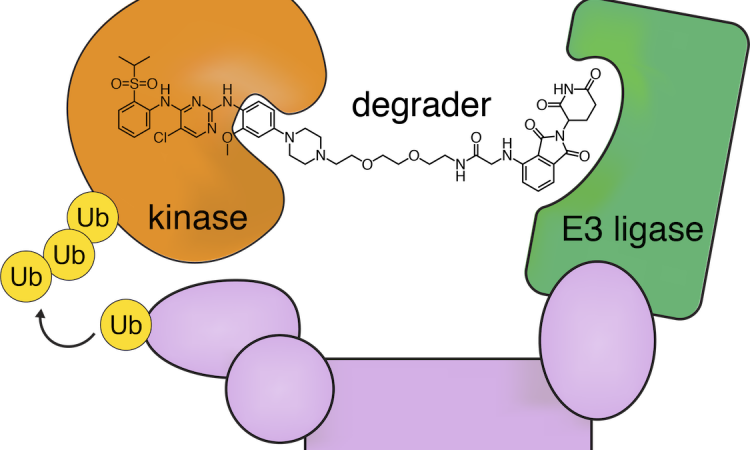
Aberrant enzyme activity drives many types of cancer and other human diseases. Traditional drugs targeting such enzymes face a variety of challenges. Here, researchers use a new small molecule “degrader” to destroy an enzyme involved in cancer.
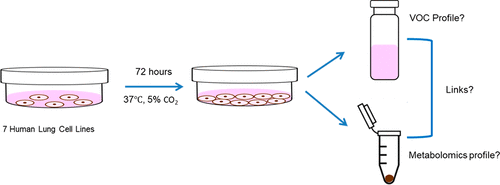
It turns out that people with lung cancer may breathe out different molecules than people without. Scientists are figuring out which molecules to look for to diagnose cancer!
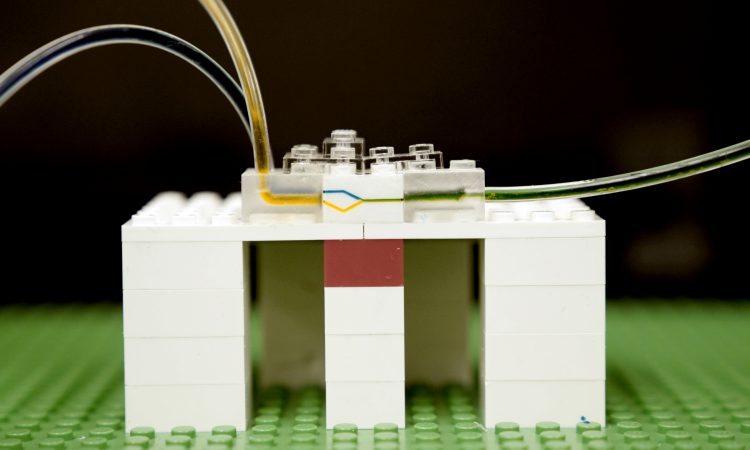
LEGO is lots of fun and can be used to create almost anything, from gigantic towers to intricate machines. But did you know LEGO can even be used to build tiny chemistry labs?

Researchers have developed a database that allows us to predict undiscovered structures based on chemical reactivity rules and existing structures. While still in early stages, this is a huge step towards successful structural prediction!
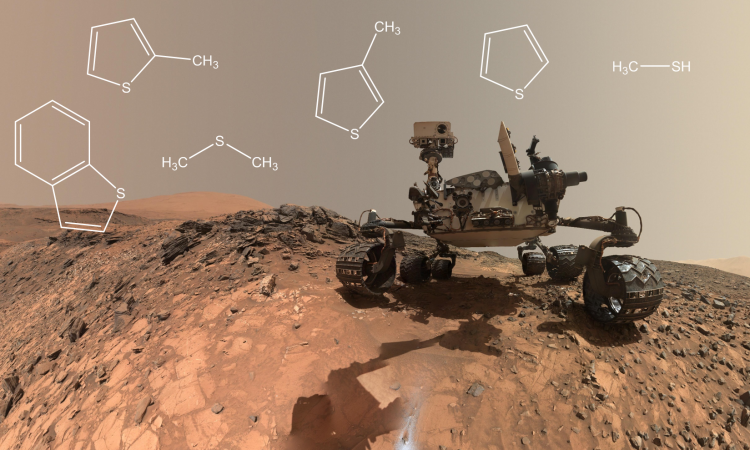
Researchers collaborating on the Curiosity Mars Rover mission have discovered organic matter on Mars – a crucial ingredient to life as we know it. Let’s take a deep dive into what they found, how they did it, and what the data really mean.
Researchers have developed a way to combine chemotherapy and radiation into one ultra effective treatment. Check out how these packages of drugs get activated at the tumor by X-rays!
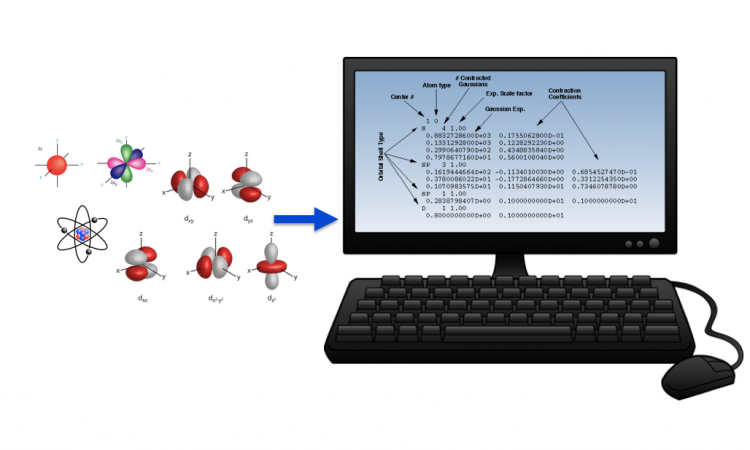
We have been trained to be adaptive to our environment in our daily life. Same for chemists to train computers to model atoms. Let’s look at how chemists make functions adaptive to different situations!
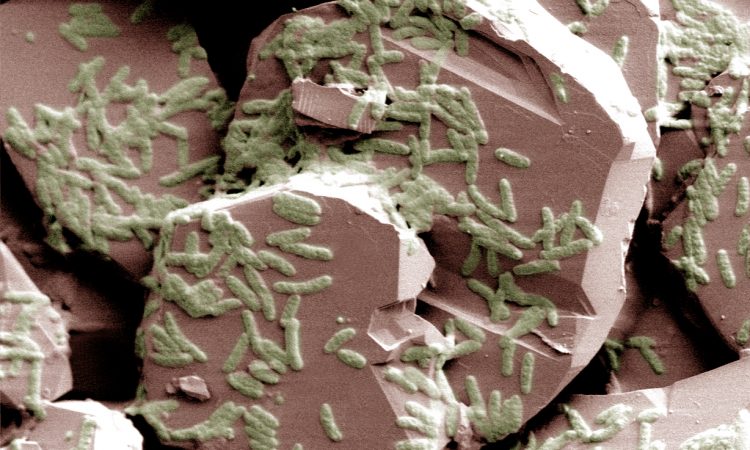
The development of microbe-based, “green” fuel cells is hampered by unreliable methods for bacterial growth on conductive surfaces. Researchers are now one step closer to a strategy for coverage using DNA-based targeting!
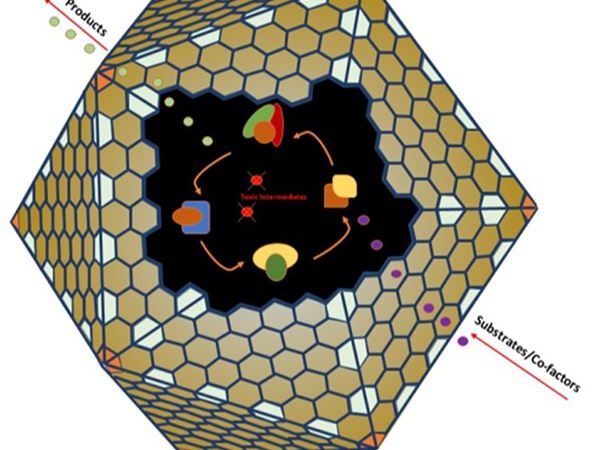
Biological catalysts and inorganic catalysts each have their own advantages and it is sometimes difficult to choose one or the other. So why not combine them into a powerful hybrid catalyst? That’s exactly what the researchers did in this recent article from ACS Catalysis.
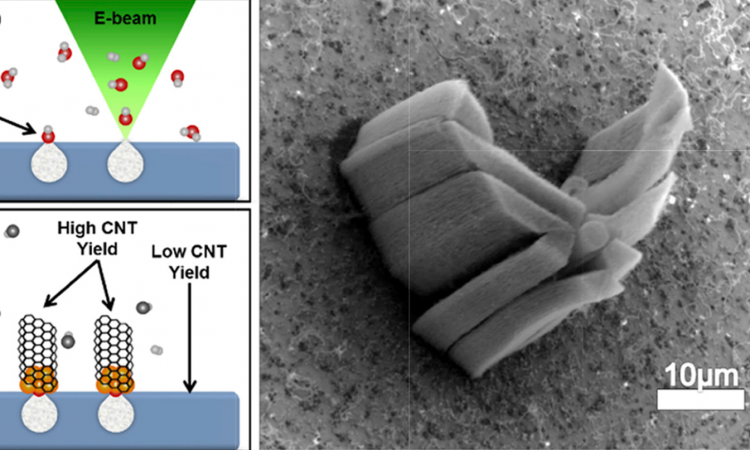
Carbon nanotubes have material properties straight out of a science fiction novel. Yet, it is still difficult to assemble carbon nanotubes into organized structures where the science fiction-like properties can really shine. Discover what researchers are doing to solve this problem!
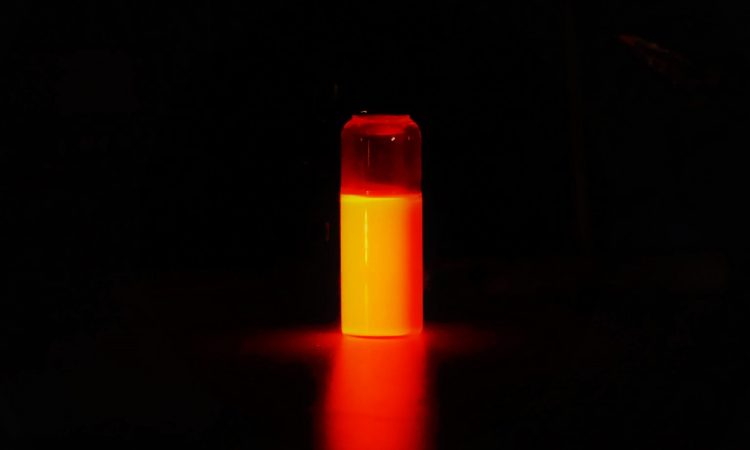
Control at the atomic scale is being realized by researchers across the world through synthesis of quantum dot materials. Take a look at an overview of what makes these tiny particles so special.
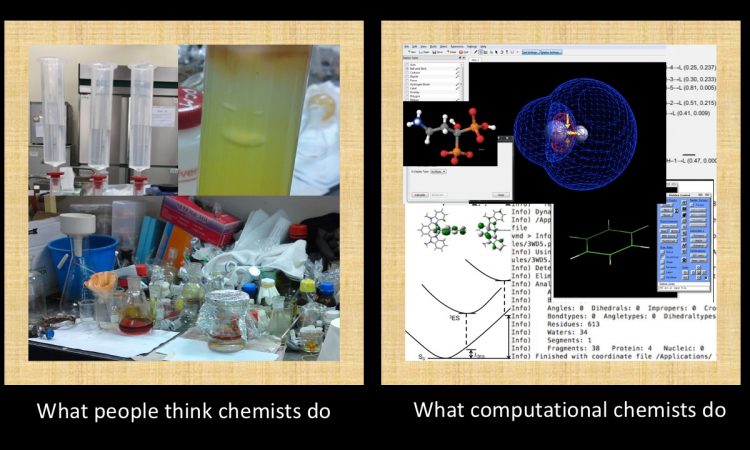
Computational chemistry is much more than computers and chemistry! Let’s have a brief tour in the world of computational chemistry!
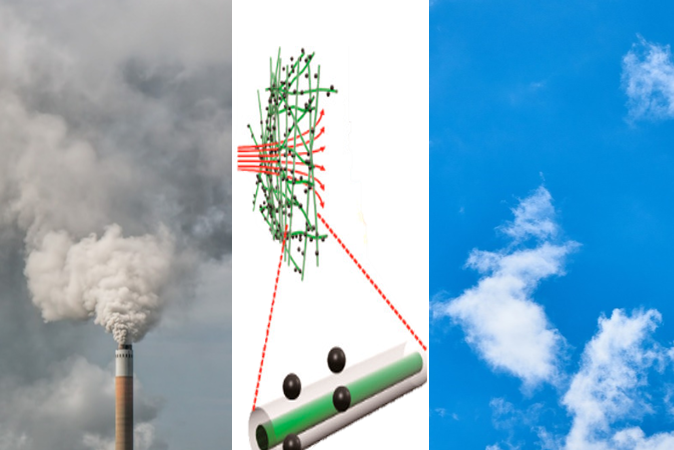
Learn how researchers design and test safer air filters to combat air pollution!