Is your deodorant contributing to air pollution and human health risks? Find out here!
Is your deodorant contributing to air pollution and human health risks? Find out here!
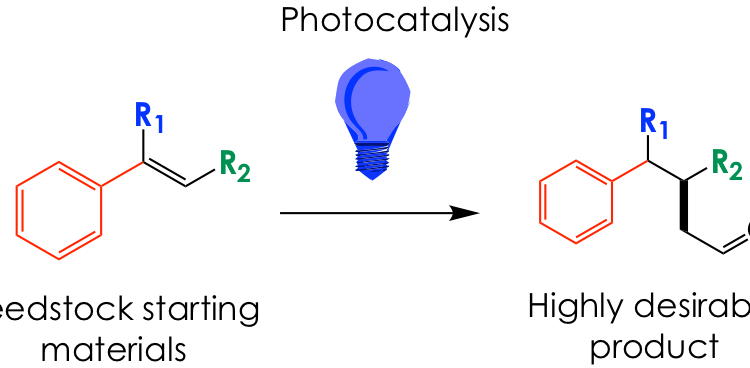
Photoredox catalysis is at it again! This time it is used to synthesize polysubstituted aldehydes – highly useful building blocks – from readily available styrenes and vinyl ethers.

Random change has been powering life’s evolution for billions of years. Can it also power the evolution of artificial biomolecules?
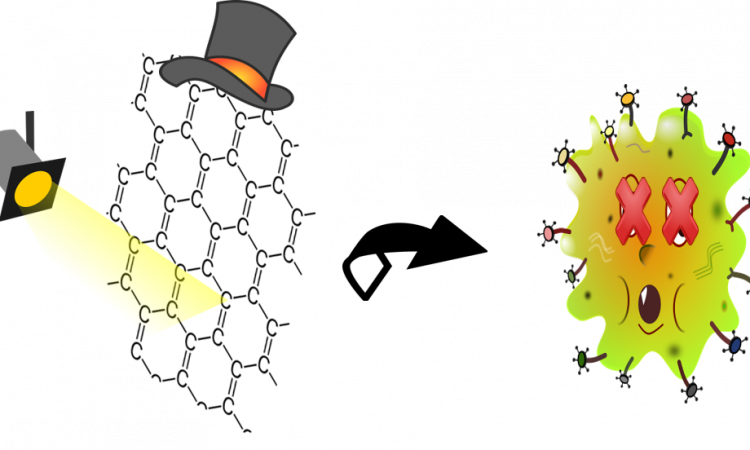
The authors of this paper can make a photodrug from a special type of graphene.
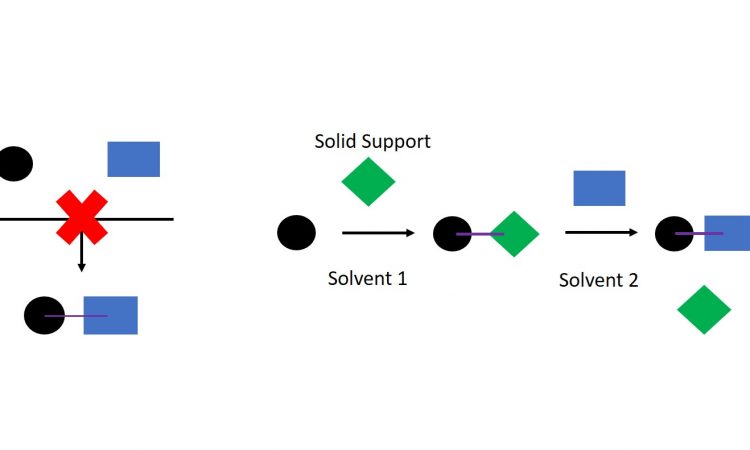
We know that complementary functional groups are needed for strong intermolecular interactions, and that thermodynamics favours hydrophilic and hydrophobic groups each keeping themselves to themselves. So, problems can arise when trying to react very hydrophilic and very hydrophobic molecules together. This group of scientists has devised a way around the problem using a technique called solid-phase synthesis.
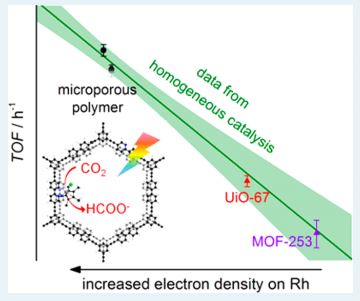
This work describes an approach to prevent self assimilation of catalysts to increase their lifetime. It also finds a Hammett correlation between different substituents present on the catalysts and the rate of catalysis in both homogeneous and heterogeneous phase.
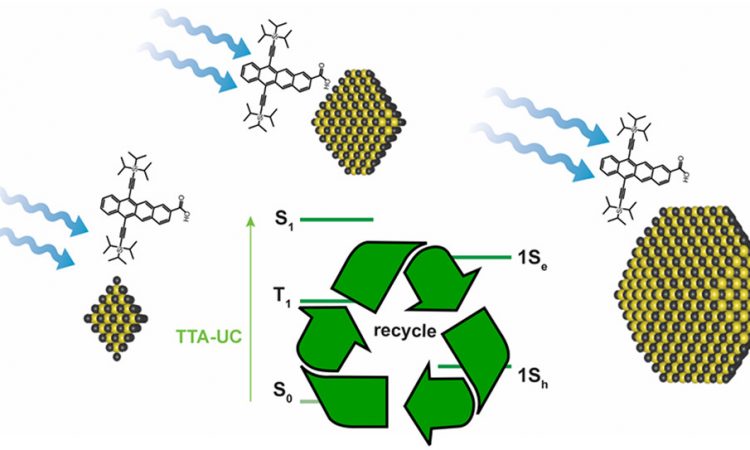
Quantum dots are fascinating super small solids. Highly conjugated tetracene is an electronically active organic molecule. When these two are mixed, electrons bounce around in amazing ways and these researchers found out how.
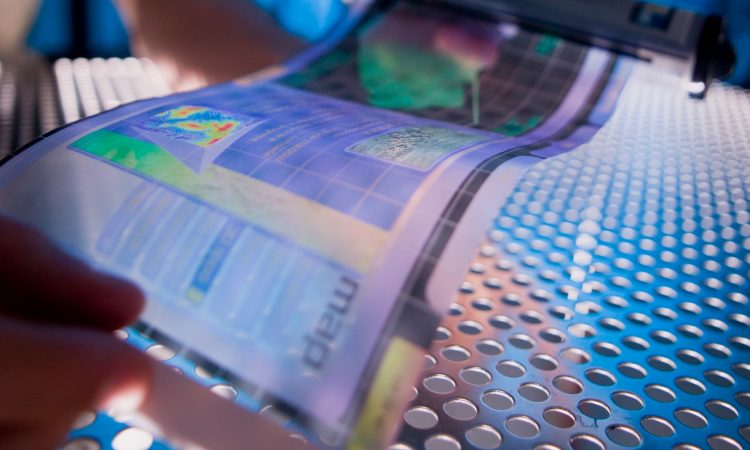
Flexible touch screens and see-through electronics could be closer than you think! Let’s learn about a new way to make transparent conductors with silver nanowires!
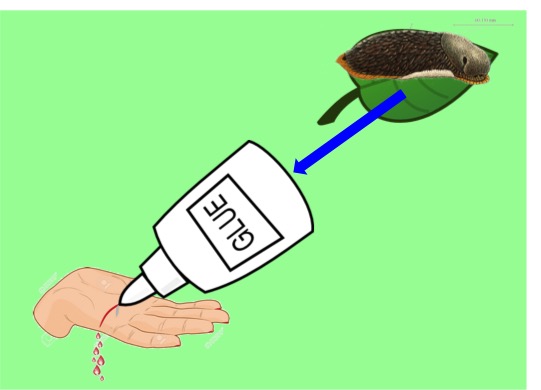
Feeling disgusted by slugs? It’s ugly, wet, and giving us an unpleasant slippery sensation. Yet it is the inspiration of new chemistry innovation!
Read this article and say thanks to slugs, which have inspired scientists to invent a new glue for medical therapies!
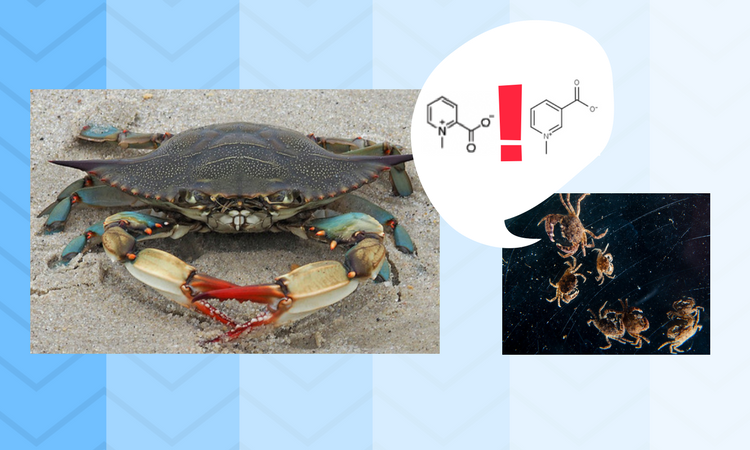
Researchers dive into the problem of analyzing marine predator-prey interactions on a molecular level. Through a combination of NMR and MS, these scientists identify two chemicals that alert mud crabs to the threat of a mighty adversary: the blue crab.
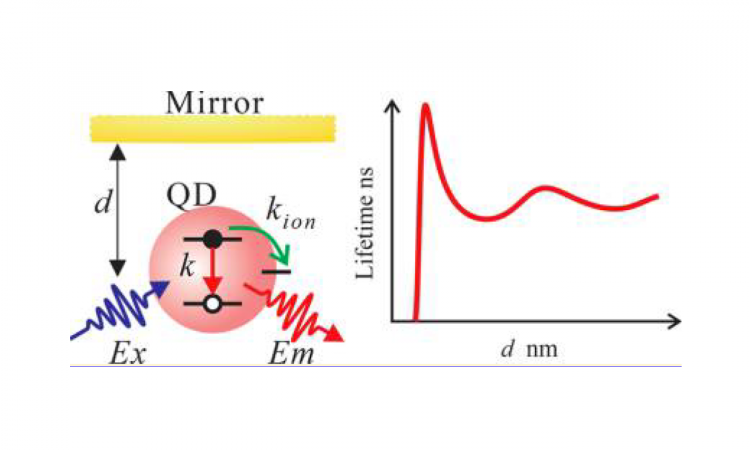
You probably look in a mirror every morning: fix your hair, maybe even take a selfie. But the idea of using mirrors to look at molecules – that just sounds crazy, right? Maybe not – but you’ll have to read this Chembite to find out!
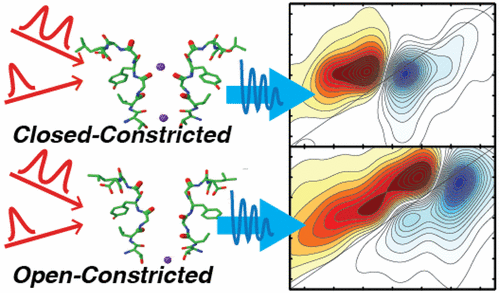
Learn how your cells use ions to communicate and how researchers can detect whether these gates are open or closed.

Have you ever wondered what you’re smelling when you stick your nose into a glass of wine? Read this chembite to find out!

Neural networks have been used to write fanfiction, generate pictures of fake celebrities, and draw dream-like psychedelic images from photographs. But did you know they can make chemistry easier, too?
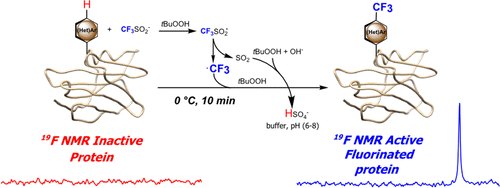
Read about this new approach to selectively install fluorines into proteins using a mild radical source.
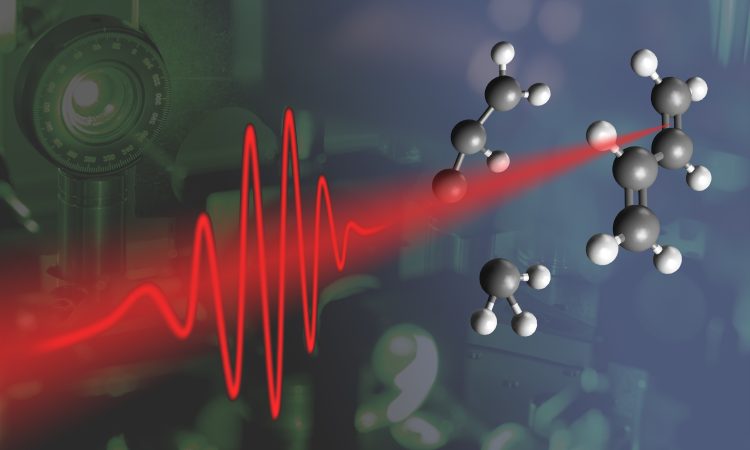
Heating a chemical reaction to accelerate the reaction rate is like setting phasers to kill, it may get the job done but it’s certainly not the most elegant or effective method. What if you could provide just enough energy to break the appropriate bonds and control exact product outcomes without wasting energy?
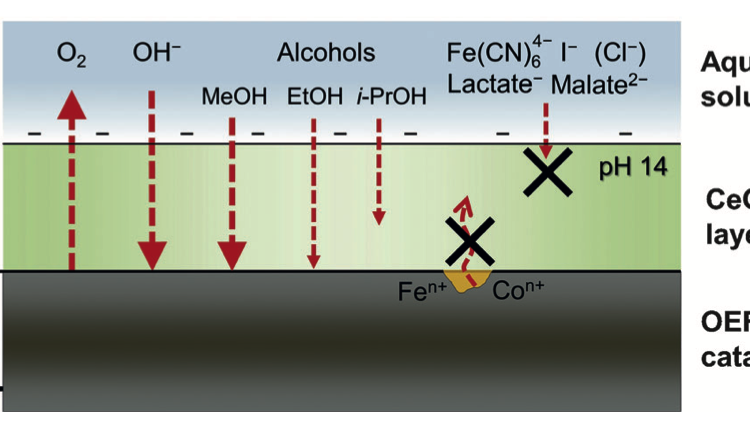
Catalysts are critical components of many industrial processes. Unfortunately, many promising catalysts degrade over time. Here, researchers show that some catalysts can be protected by coating them with another material.
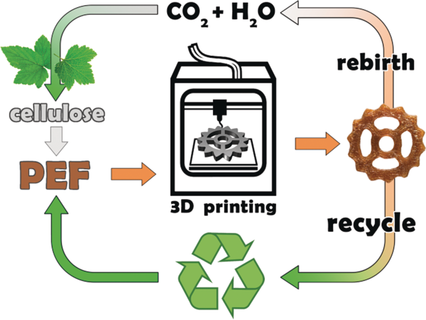
3D-printing at its greenest!
A resistant material for 3D-printing is synthesized from plant components!
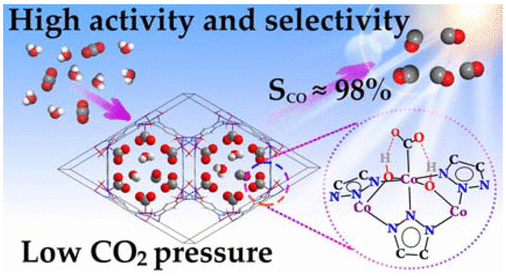
A structure-function relationship has been established for a cobalt containing Metal Organic Framework (MOF) that catalyzes carbon dioxide reduction very efficiently. It has been established that the hydroxyl groups coordinated to the metal co-operates to enhance the catalysis by forming H-bond network with CO2. Let’s learn how the authors performed a systematic and thorough investigation on these MOFs.
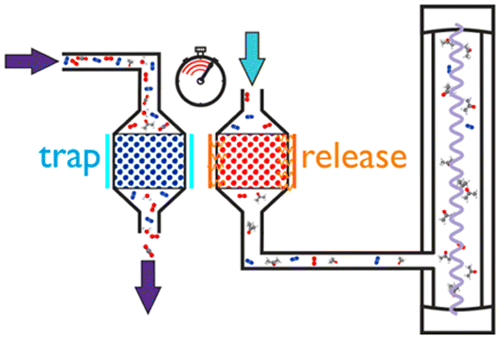
Ask someone what gases they would expect to find in our breath and oxygen, carbon dioxide and water may well be high on the list. But did you realize that acetone could be in there too? A npvel portable device for detecting acetone in breath has been reported.

Ever taken a bite of ice cream and wondered why it’s so smooth? In this paper, the chemical responsible for that is extracted from seaweed and nothing is wasted!
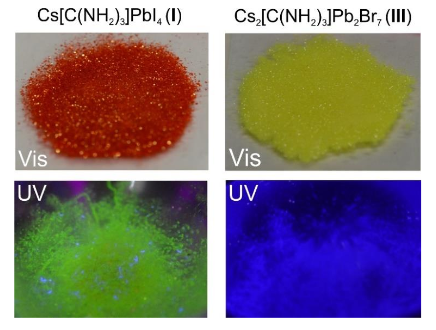
Solar panels are expensive because of the high-purity silicon present in them. A new material called perovskite rivals the solar conversion efficiency of silicon, but at a fraction of the cost. There is however still a lot of fundamental understanding to be done on perovskites, which these researchers do by studying analogous structures.
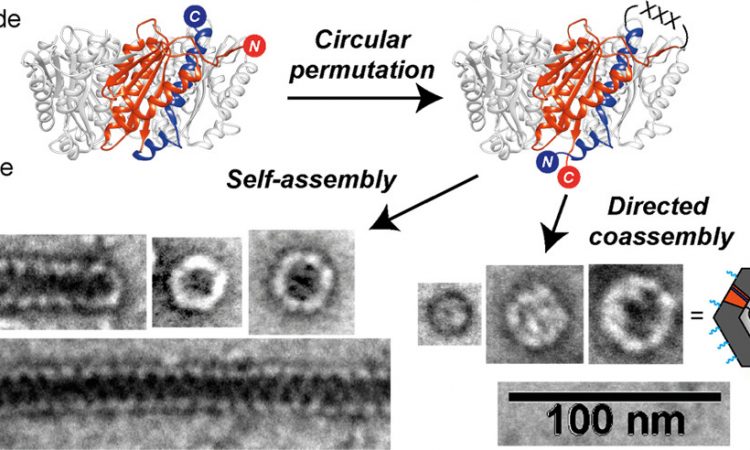
Altering the sequence of protein cages allows diversification of function and could make these protein delivery “capsules” customizable for different cargo types.

Ever wondered how the images on your TV or computer screen are formed? Today let’s look inside your TV and learn about the nanoparticles forming the high definition display! (Obviously without slicing it open!)

Most people prefer their popcorn popped to perfection, but scientist Jianhua Hou prefers his burnt. How could the smell of burnt popcorn possibly be a good thing? Chembites investigates!