Scientists from UCSD and Compultense University developed non-invasive tools to measure gastrointestinal distress, monitoring chemical markers in real-time.
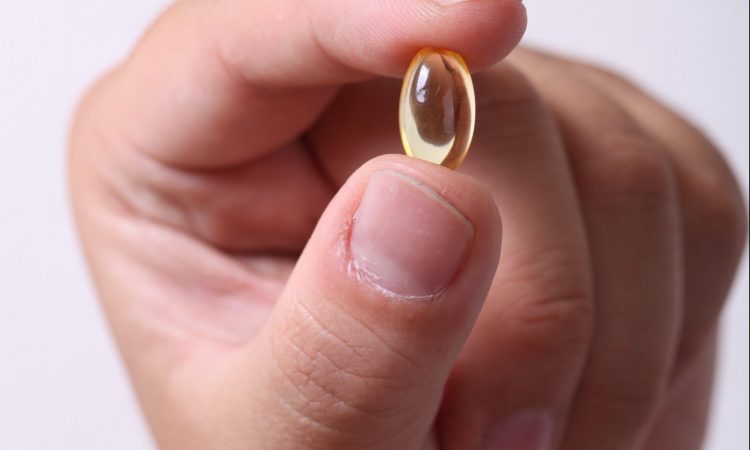
Scientists from UCSD and Compultense University developed non-invasive tools to measure gastrointestinal distress, monitoring chemical markers in real-time.

Sure, solar panels can be installed on your roof, but that might not provide enough power – and no one wants to cover their garden with solar panels. That’s why researchers are studying new perovskite/organic materials for solar windows.

Switching to solar energy is one of the ways we can fight against climate change. Let’s learn how something as harmful as the greenhouse effect can be used to create better solar devices!

A research team in Saudi Arabia developed solar panels that clean the sea water whilst producing electricity.

Solar panel windows could revolutionize urban architecture by turning buildings into energy producing structures. Read about how scientists are trying to enable solar windows by exploring new chemistry.

How can researchers eliminate false positives from their research on energy efficient production of ammonia?

Cuttlefish ink looks like a promising new treatment for tumors – with the help of nature’s nanoparticles!
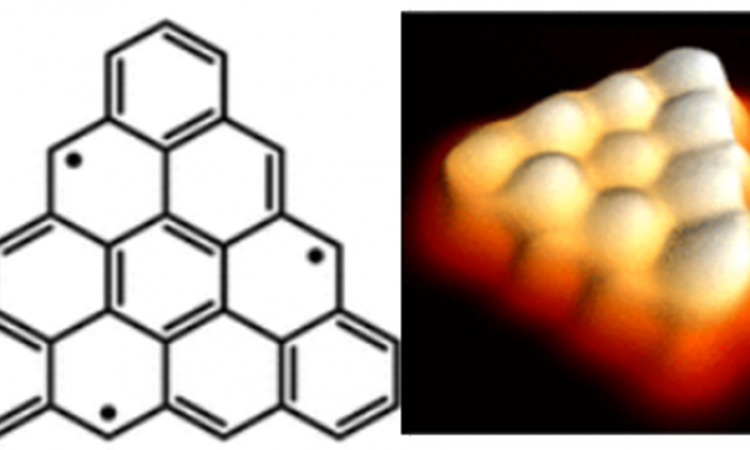
New triangular shaped small graphene analog is synthesized and characterized extensively.
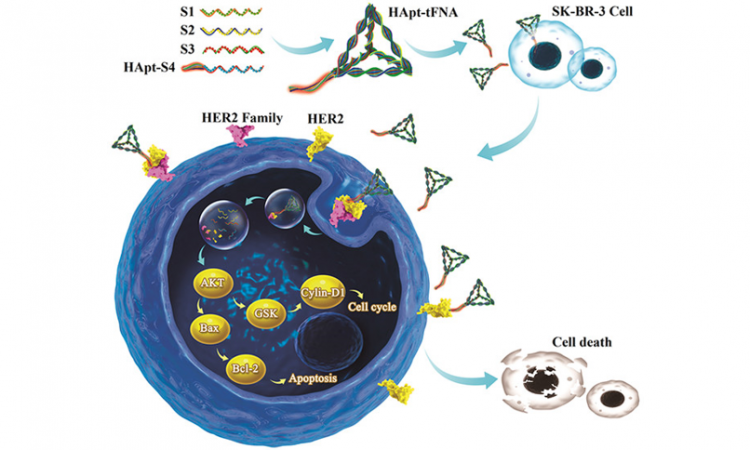
DNA can be more than just the genetic code. Can four specially designed strands of DNA destroy cancer cells?
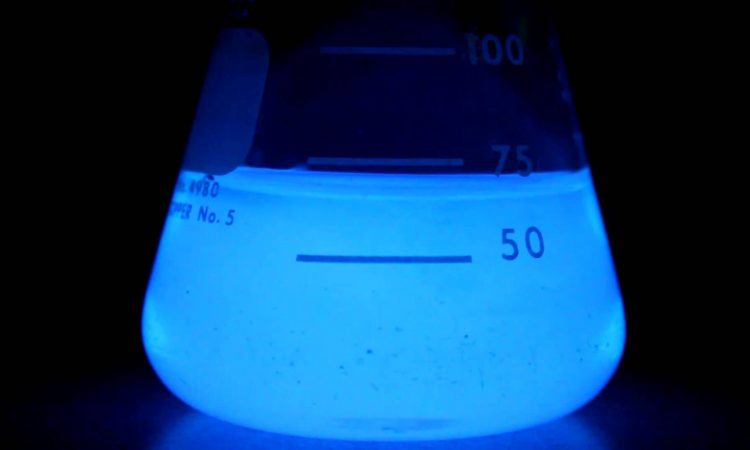
Crime scene techs use luminol to reveal latent bloodstains – can normal, visible light increase the reaction’s sensitivity?

Nothing compares to a well-trained dog’s nose for smelling out faint odors. But a new artificial nose made with living cells may come close!

What do lasers and the Mona Lisa have in common? Well, it turns out scientists can use lasers to help save old paintings from degrading, preserving our masterpieces for future generations. Pump-probe microscopy is one such technique.

Changes in our DNA can cause a host of health issues. However, we can mitigatge a lot of those if we can identify and catalogue these changes, potentially developing novel treatments.
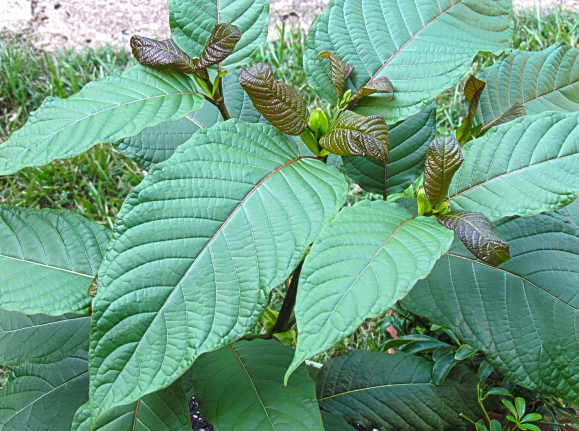
A traditional medicinal plant from Southeast Asia called kratom has been hailed as a potential new tool in the fight against the opioid epidemic. But what is the active ingredient, and is it potentially dangerous? Read on to learn the latest pharmacological research.
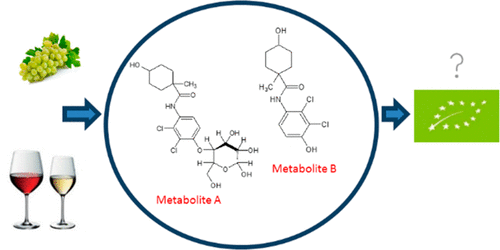
Can we judge whether crops have pesticide without detecting the pesticide directly? Let’s check out how researchers come up with alternatives for pesticide residue detection!
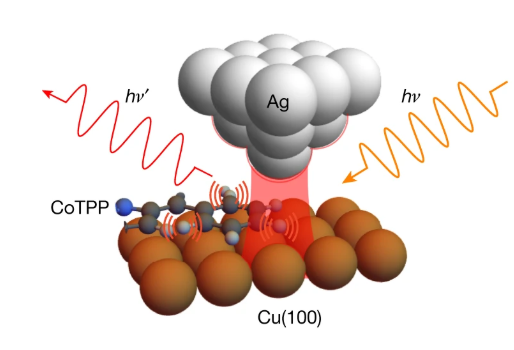
Scientists can now observe molecules vibrating
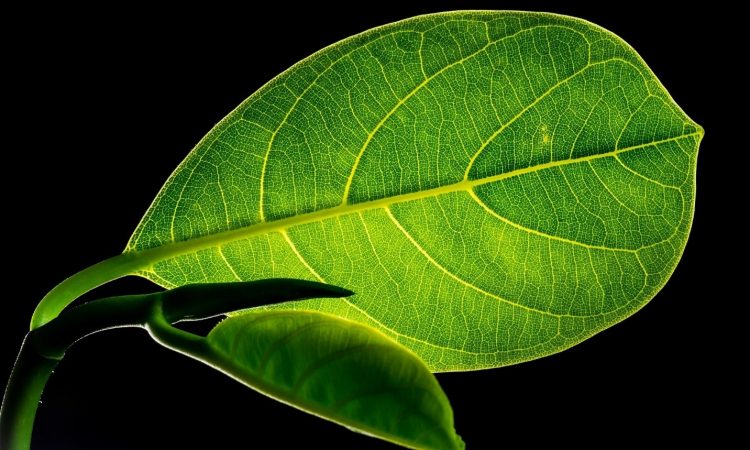
Researchers have designed a new way to convert CO2 into fuels that is efficient and cost-effective.

Boosting the performance of new solar panel technologies is a goal researchers around the world seek to enable clean energy. Read how a team of 25 researchers achieve this with new materials!
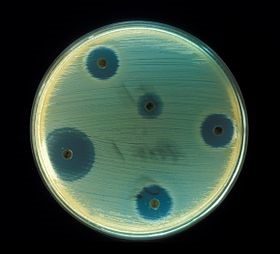
Scientists genetically modify bacteria to overproduce uncommon antibiotics, revealing information on how bacteria regulate and modify its metabolites.
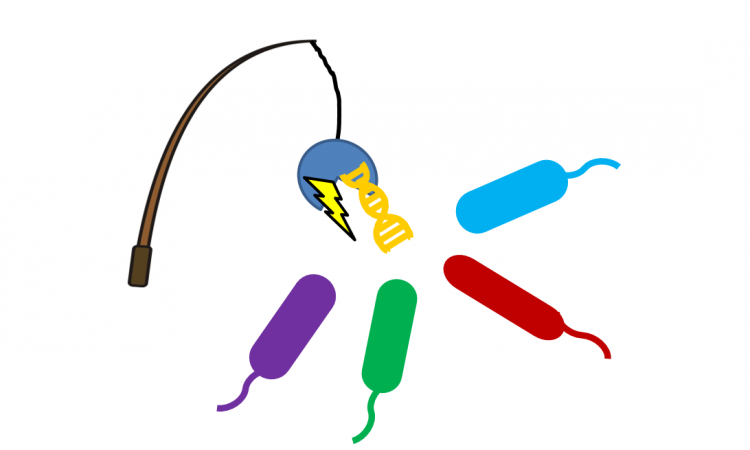
What happens when you bring DNA strands, gold nanoparticles, conformation-induced color changes, and a highly-intrusive bacterium together? A field-portable, inexpensive test for the world’s greatest bacterial threats.

Microbial systems can be a great way to make complicated products that are useful to humans. However, because the pathways to make these products involve multiple steps and can be very complex, sometimes it’s just too difficult for one species to accomplish on its own. But working as a team with another species of microbe can have its own problems. How can researchers decide which way is best?
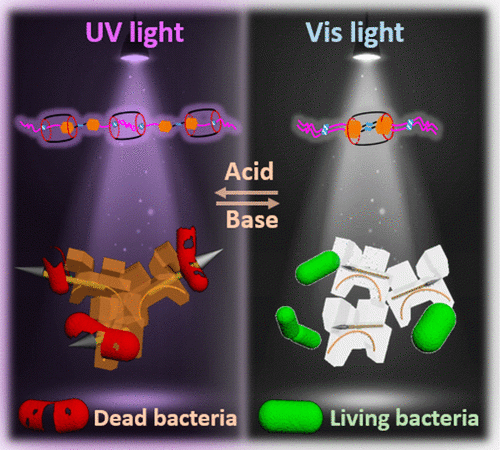
How do scientists fight back against drug resistance? Today’s Chembite focuses on promising developments with antibiotics using “trojan horse” tactics to trick bacteria!
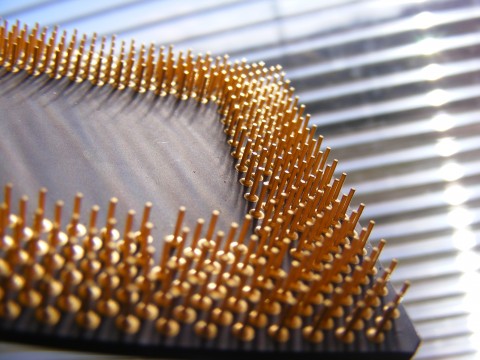
Gold is one of the most important metals since it’s used in electronics. Let’s learn from Charlie about a new material than can help recycle gold from discarded devices!
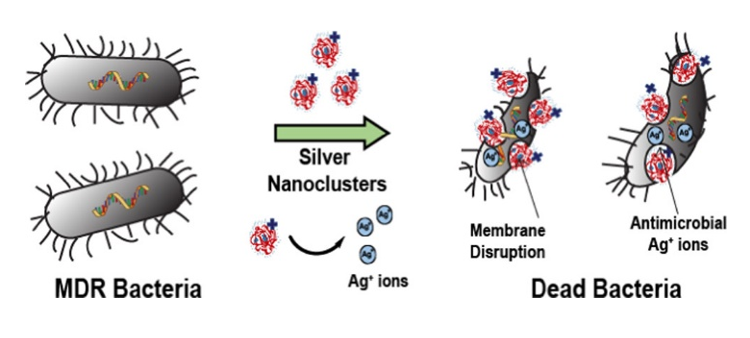
With antibiotic resistance on the rise, these silver nanoclusters could be one way to fight back.
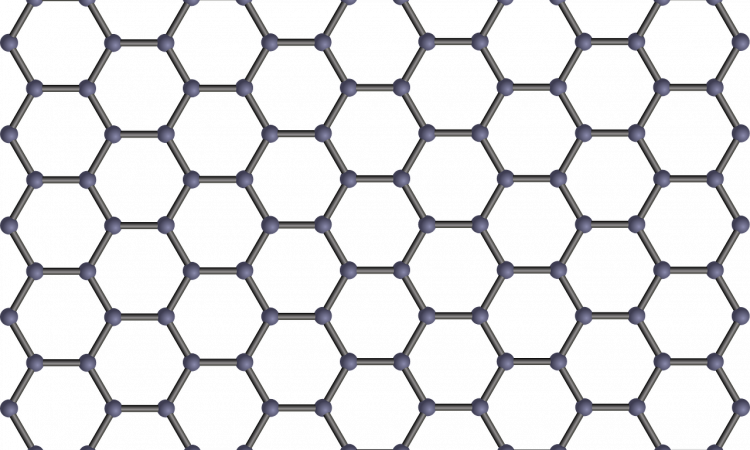
Graphene: the thinnest, strongest and most flexible material on earth. When it was first discovered in 2004 we were promised technology like solar cells, flexible electronics, superconductors and faster semiconductors. But it’s now nearly 15 years since the discovery of graphene, and it hasn’t exactly lived up to the hype. Recently, researchers discovered the key to unlocking graphene’s full potential.