How do scientists fight back against drug resistance? Today’s Chembite focuses on promising developments with antibiotics using “trojan horse” tactics to trick bacteria!
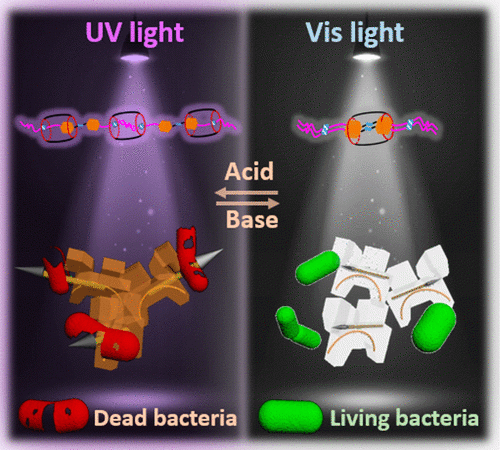
How do scientists fight back against drug resistance? Today’s Chembite focuses on promising developments with antibiotics using “trojan horse” tactics to trick bacteria!
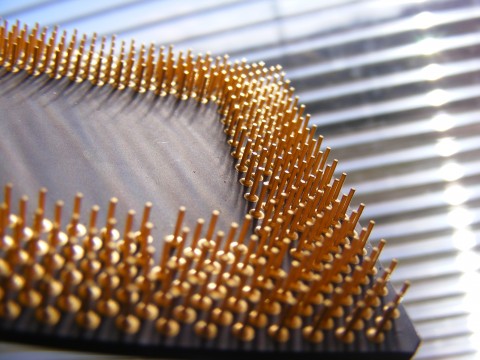
Gold is one of the most important metals since it’s used in electronics. Let’s learn from Charlie about a new material than can help recycle gold from discarded devices!
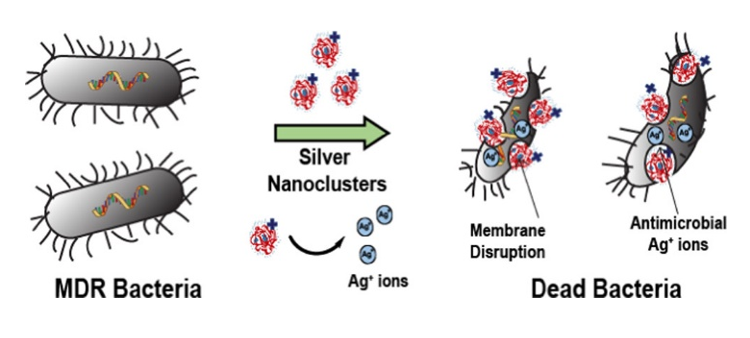
With antibiotic resistance on the rise, these silver nanoclusters could be one way to fight back.
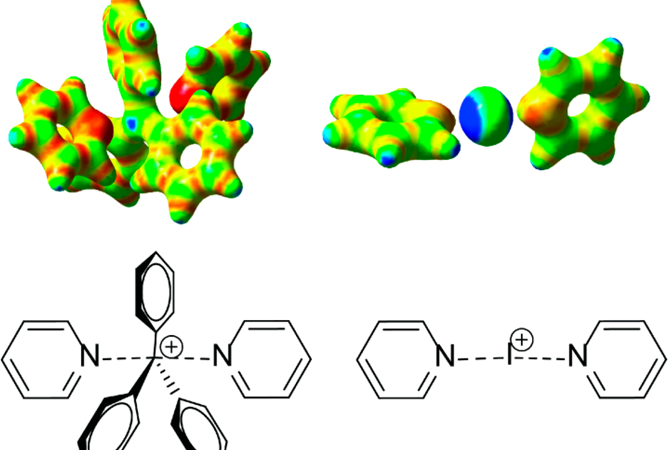
Using a new model of a tetrel bond to further probe the mechanism of an SN2 reaction.
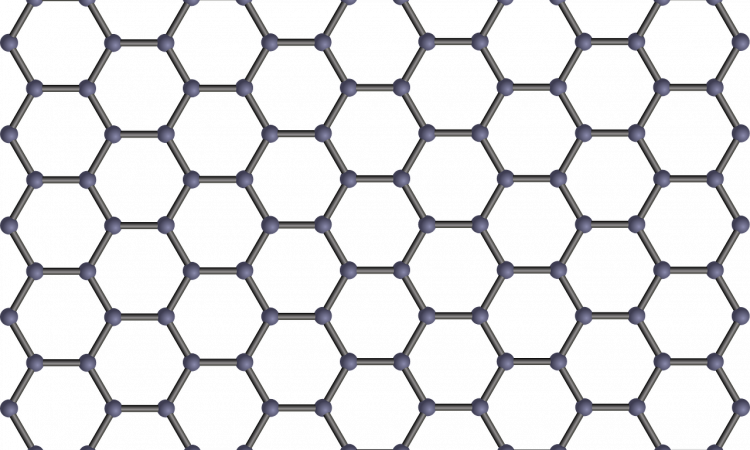
Graphene: the thinnest, strongest and most flexible material on earth. When it was first discovered in 2004 we were promised technology like solar cells, flexible electronics, superconductors and faster semiconductors. But it’s now nearly 15 years since the discovery of graphene, and it hasn’t exactly lived up to the hype. Recently, researchers discovered the key to unlocking graphene’s full potential.

Amino acids were found in the Atlantis Massif, under the ocean floor. Is their non-biological synthesis the origin of life?
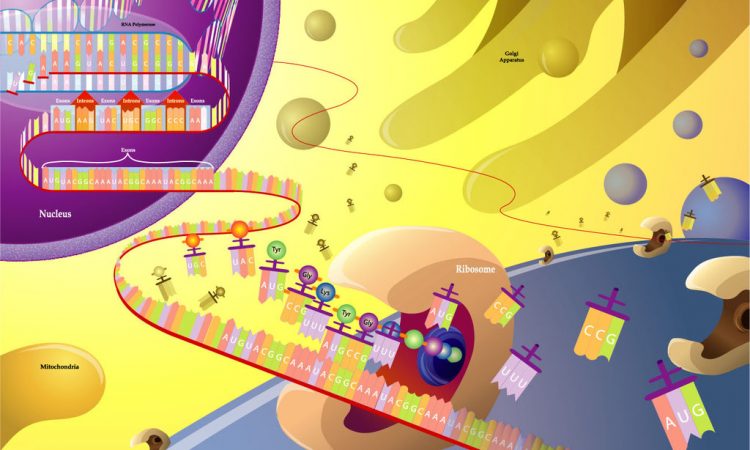
Four billion years ago the Earth cooled, cyanobacteria gave us our oxygen-rich atmosphere, and your ribosomes started synthesizing proteins!

Ever wondered how researchers are making solar energy conversion more efficient and affordable? In this article, learn about nanoscale architectural designs assisting in trapping and managing light for better solar efficiency!
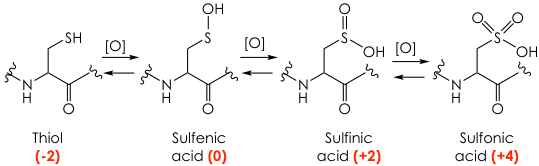
Proteins bear a staggering collection of small chemical modifications that have large effects on their function. This research provides an elegant method to study cysteine sulfinylation, a chemical mark that has proven to be pretty elusive.
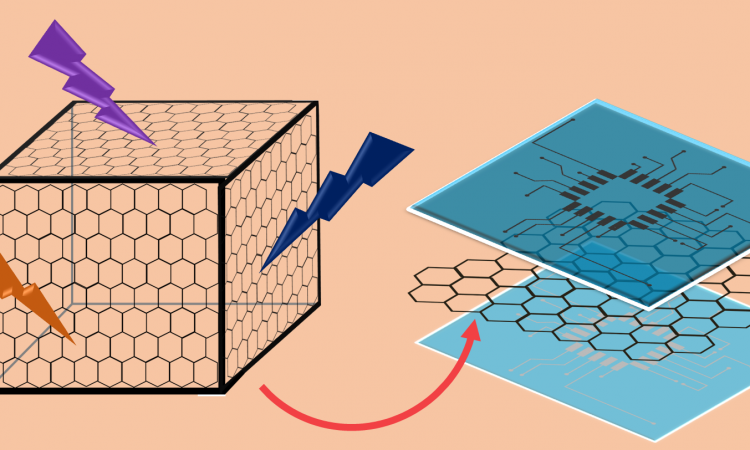
Fundamental research may help us build tiny electronics – let’s return to Chemistry 101 and learn about van der Waals forces!

Learn about new discoveries into how plants and animals sense the world around them on a microscopic level!
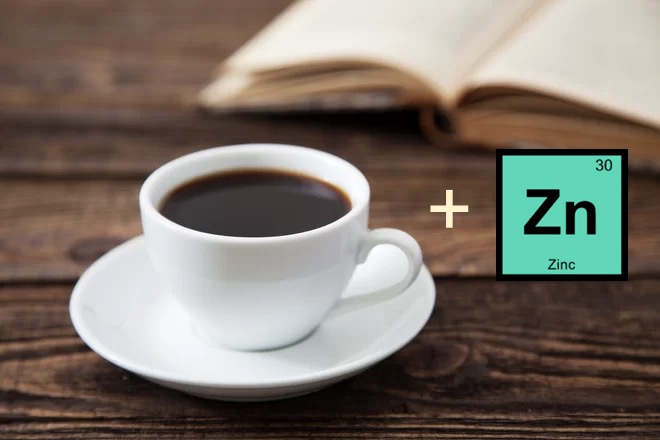
We might have heard that antioxidants are good for our health. They help us to fight against oxidizing agents in our body and help us to stay young!
Recently, researchers have made a new breakthrough to help us fight against the oxides even with the inactive zinc!

When we hurt our elbow, we seek the help of an X-ray scan to check whether there is any bone fracture. But what if we want to visualize the inside of materials? Today’s post is a guest post contributed from ComSciCon participant – Chiung-Wei Huang.

What’s in a screen? It might be tiny particles called quantum dots – a novel material for everything from screens to solar cells. But how do researchers optimize new materials like quantum dot films? One type of spectroscopy – called transient absorption – could help.

Perhaps there’s a time for everything. And now, it’s the time to pass it on!
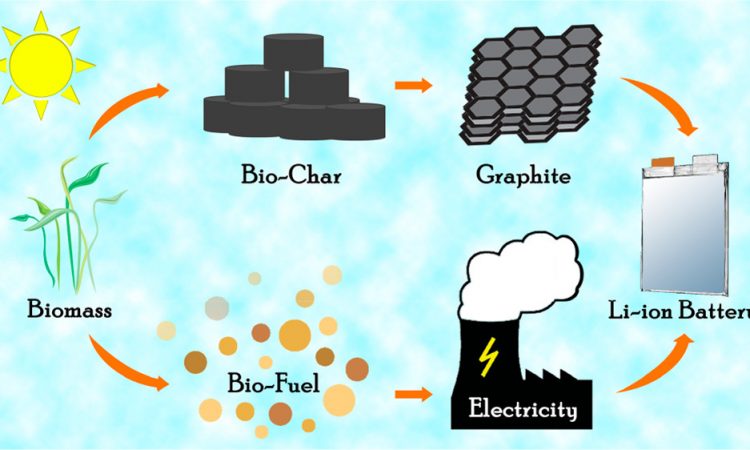
We use lithium-ion batteries in our electronics every day, but getting the materials to build them isn’t very environmentally friendly. Let’s learn about a new way to recover one of these materials from burnt plants!
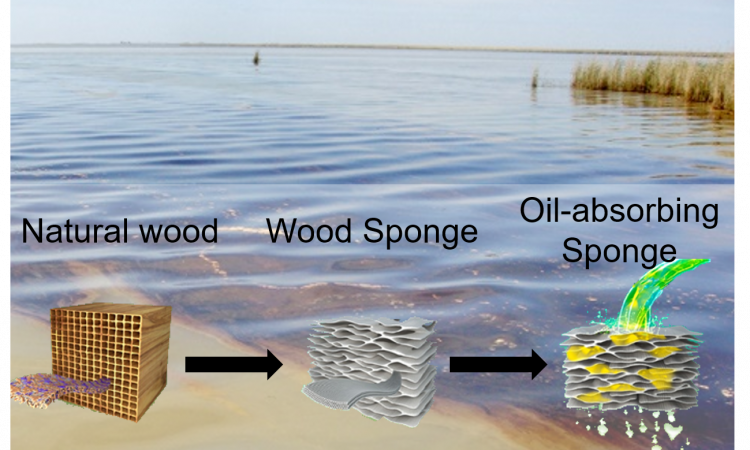
Can we clean oil spills with a block of wood? Researchers have made an oil sponge out of wood for just this purpose.

Happy Halloween Everyone! In this article, we are going to honor the dead and discuss their stories and also learn to communicate with them using analytical chemistry techniques. Explore with me the power of infrared spectroscopy and walk down the memory lane with the skeletons!
New nanoparticle devices can respond to ATP levels, deliver drugs, and induce their own removal from cells. Read about the structure of these nanoparticles and how they can advance cancer therapy and diagnostics!
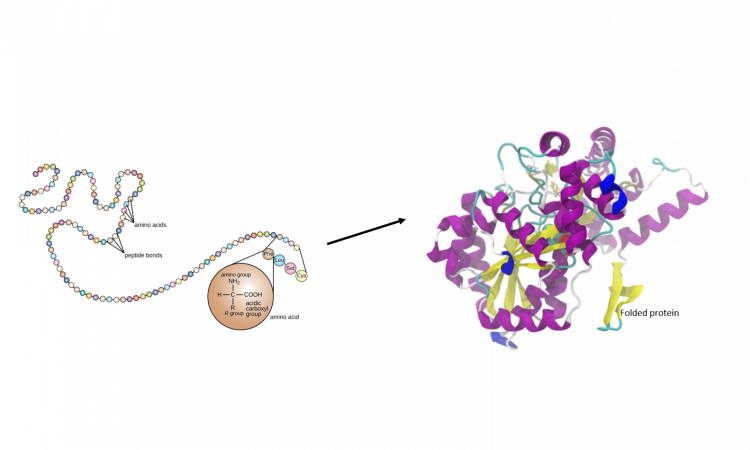
Can one water molecule change the conformation of a peptide? Vibrational spectroscopy in the gas-phase is the perfect technique to answer this question.
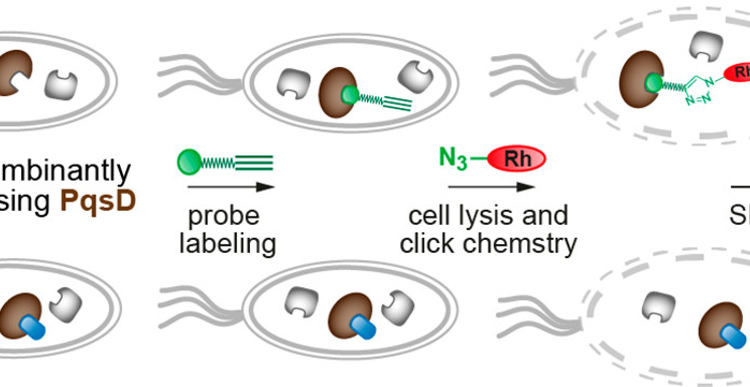
Just as interesting as the detail of how the antibacterial molecules works can be the new methods by which they are discovered. Today’s Chembite is about the development of antibacterial agents in the fight against an infectious bacterium.
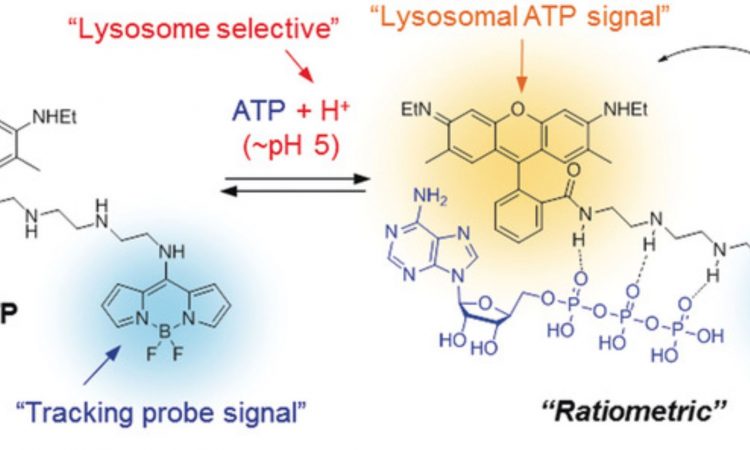
Our cells are bustling with activity. Read on to find out how researchers are imaging the busy organelles in the cell and how they are related to neuronal pathways in the brain!
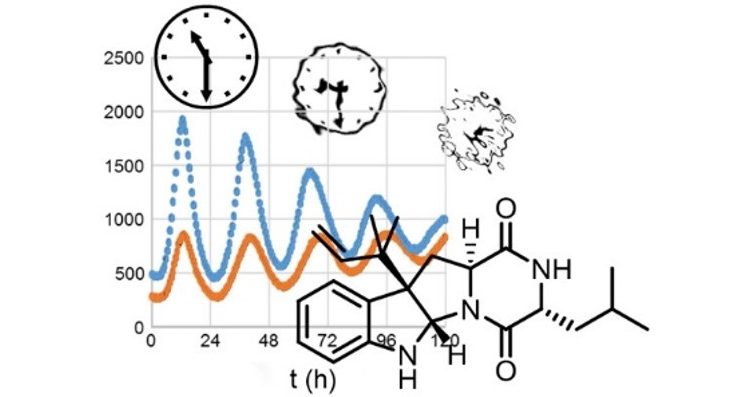
This plant is having trouble telling night from day…could a chemical be the culprit!?
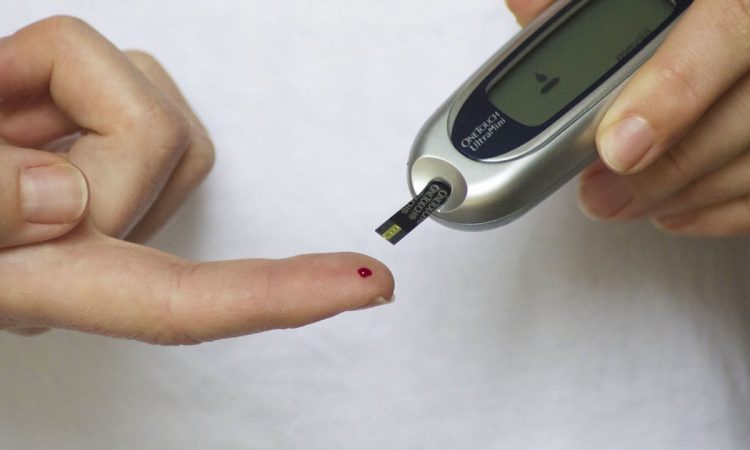
More than you might think! Researchers have “hacked” glucose meters to detect enzymes, bacteria, and viruses using a device millions of people already use every day.
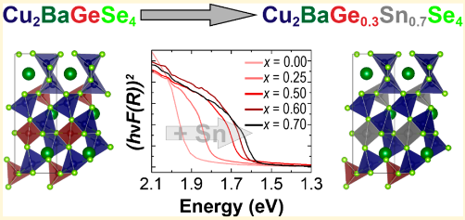
Solar panels are made up of highly processed expensive materials. Find out how researchers explore alternative solar materials by engineering new crystal structures.
