As infectious bacteria get more sophisticated in their survival strategies, it’s time our countermeasures did too.
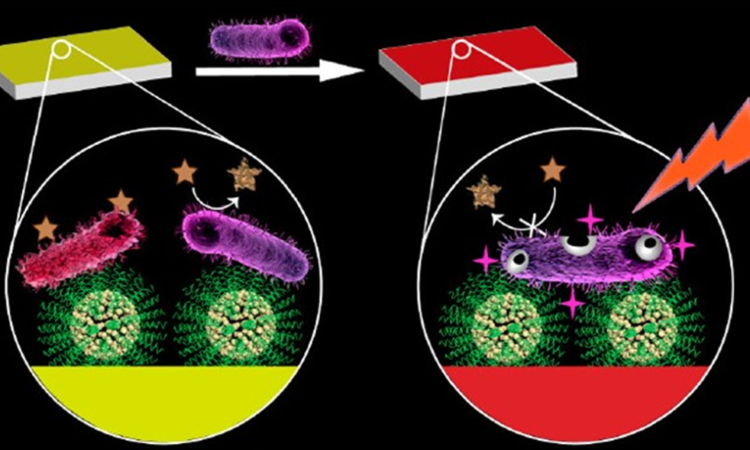
As infectious bacteria get more sophisticated in their survival strategies, it’s time our countermeasures did too.
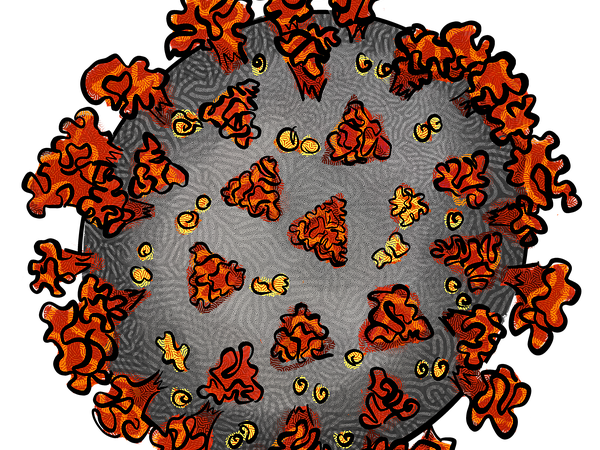
The COVID-19 pandemic is consuming our news feed at the moment – while you’re self-isolating read about some of the great science research going on to combat our newest virus.
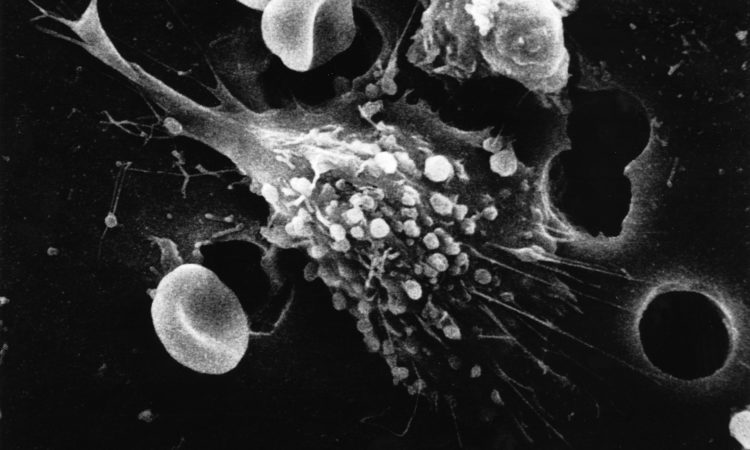
The development of chemotherapy revolutionised the treatment of cancer in the 20th century, however, side effects have remained problematic. Immunotherapy, using the body’s natural immune system to fight cancer, may be a safer and more effective alternative.

Bacteria evading antibiotics by behaving differently than their mother and sister cells

Some materials expand when pressure is applied. A new member of this class of materials does so to an unprecedented extent, taking advantage of 3D rather than 2D design.
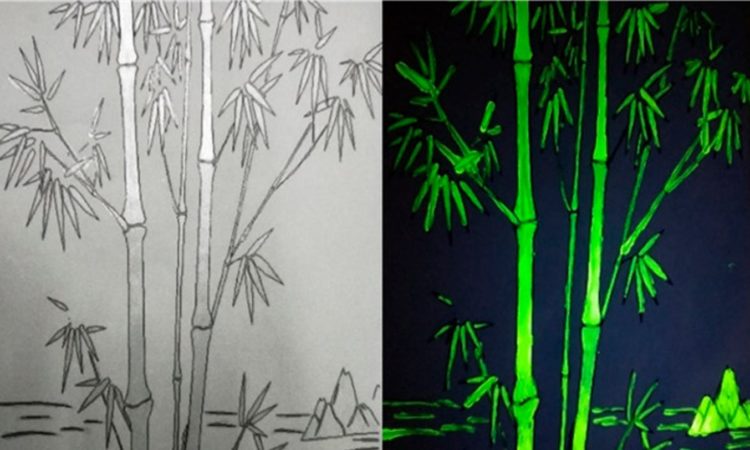
Scientists craft a “greener,” copper-iodide-based ink with amazingly efficient photoluminescent properties
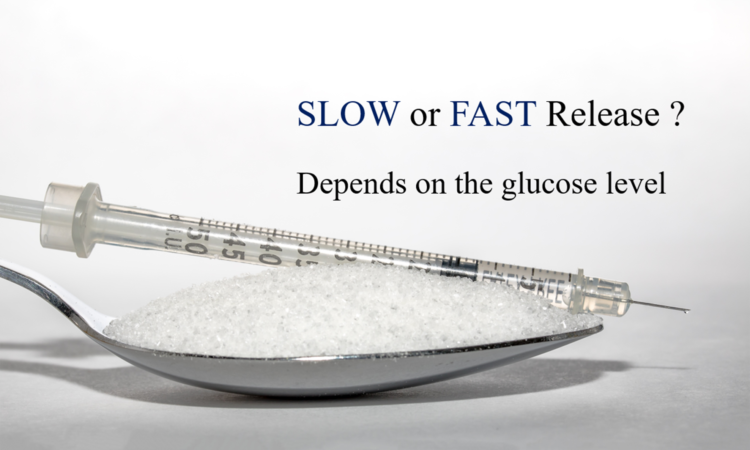
Diabetes Mellitus affects 8.5% of the world adult population and tackling it requires systematic dosing. Researchers have developed a unique NP that can substantially decrease the dosage of insulin and increase patient compliance.
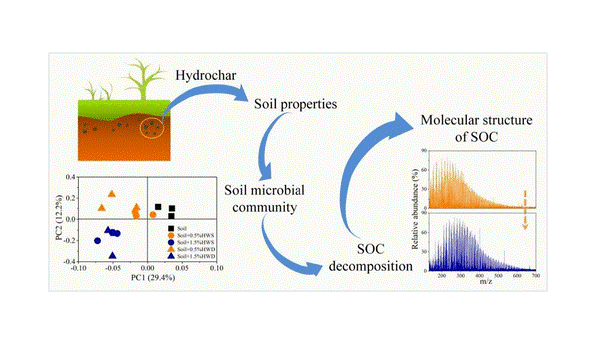
Thermochemical degradation of plant matter can create a great plant fertilizer called hydrochar. But what effect does this hydrochar have on the soil ecosystem?

Archaeologists in Herculaneum, in the south of Italy, discovered a black, glassy material that turned out to be… a human brain.

The first complete iodine measurements in the middle atmosphere detected higher levels than expected.
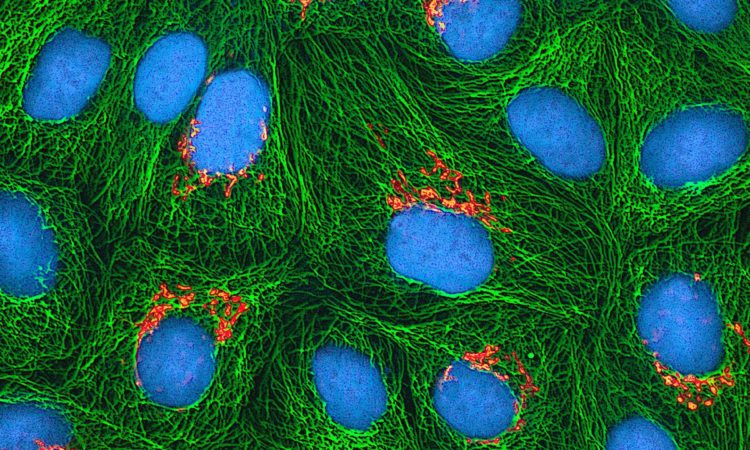
Ever wondered how scientists know what is going on inside a cell, or how you could design a chemical probe to tell you more? There’s a lot of things to consider, find out more here.

The current Australian bushfire season has been worse than any seen before. The causes are complex, but chemistry can be used to help fight the disaster.

Graphene’s amazing properties make it one of the most popular new materials in recent years. But what if we could improve it with an unlikely additive?
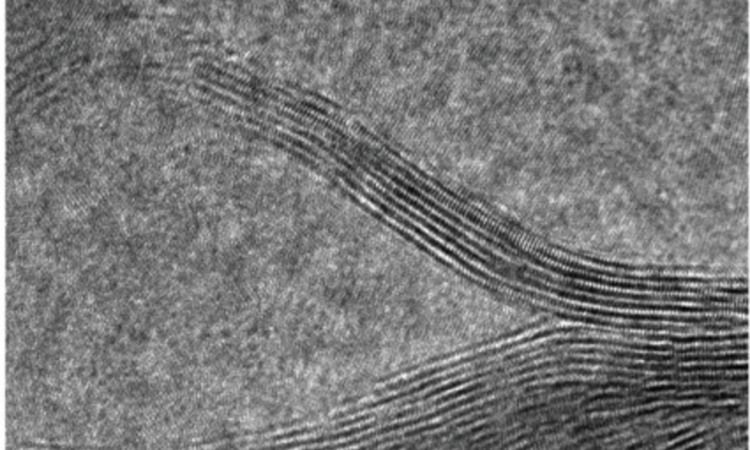
Nanoscale materials are highly promising for efficiently catalyzing chemical reactions, but figuring out where impurities are in these tiny materials is often challenging. New research applies atom probe tomography to map impurities in 2D nanosheets.

Single-use plastics continue to pile up in the oceans, where they can last thousands of years and have huge impacts on marine ecosystems. Now, researchers from Italy have developed a plastic made from wood that breaks down in seawater.
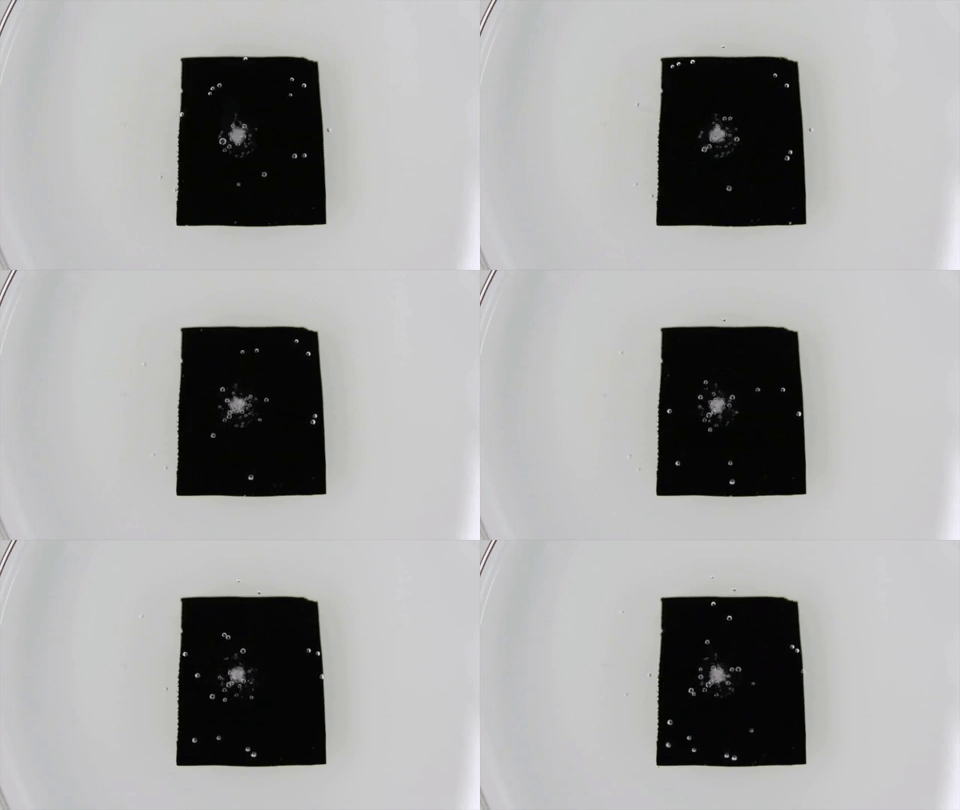
Nanocomposites bring together the fields of polymers and nanoparticles. A new technique to synthesize them gives researchers more control over their formation
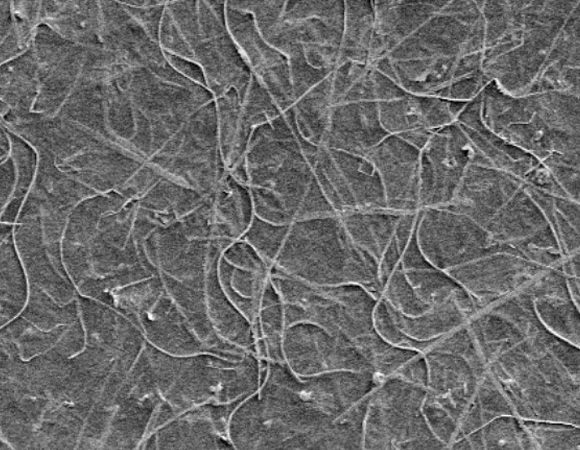
Researchers have combined biological with inorganic nanoparticles to introduce a new flexible electronic ink using cooperative “buckling” effects.
blood, jaundice, medicine, lab on a chip
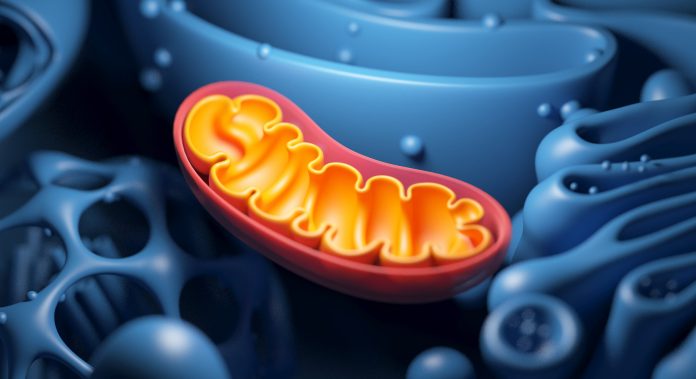
Molecules that target specific aspects of cancer biology are of great interest due to the improved efficacy and reduced side effects for patients relative to chemotherapy. Scientists have identified many compounds that can selectively kill cancer cells, but it is not yet understood how most of them work. Here, Madhusudhan and coauthors have used chemical probes and mass spectrometry to identify the targets of potential new targeted lung cancer therapies against a protein complex in the mitochondria. This complex currently has no approved targeted therapies against it, making it an exciting prospect for a whole new class of anticancer agents.
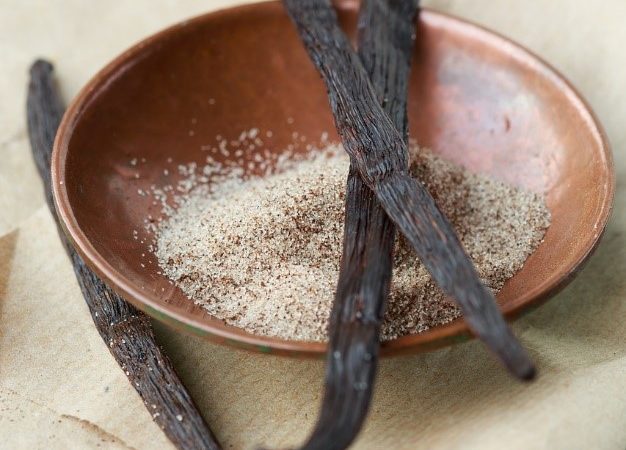
Could vanillin, the flavoring molecule extracted from vanilla bean, increase our body’s ability to absorb ingested drugs?

New technology developed to build larger proteins

Researchers developed new design methodology to achieve diverse superstructures using DNA-peptide conjugates.
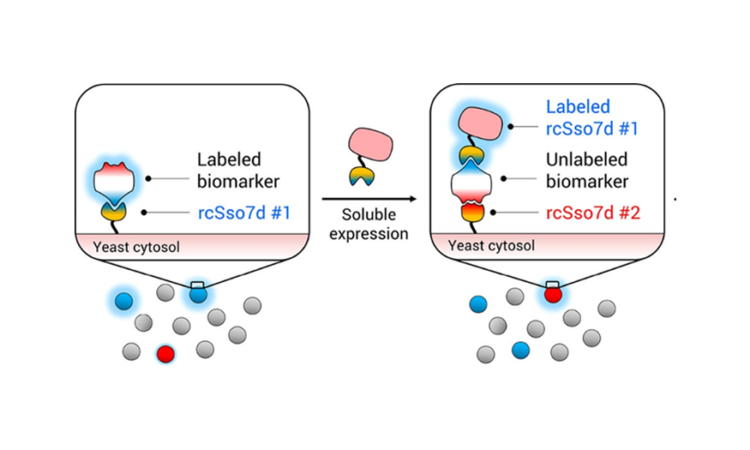
Antibodies in your body help fight disease by specifically targeting a viral or bacterial strain. This specificity makes antibodies useful for disease detection, but how do scientists reduce the chance of false positives and false negatives?
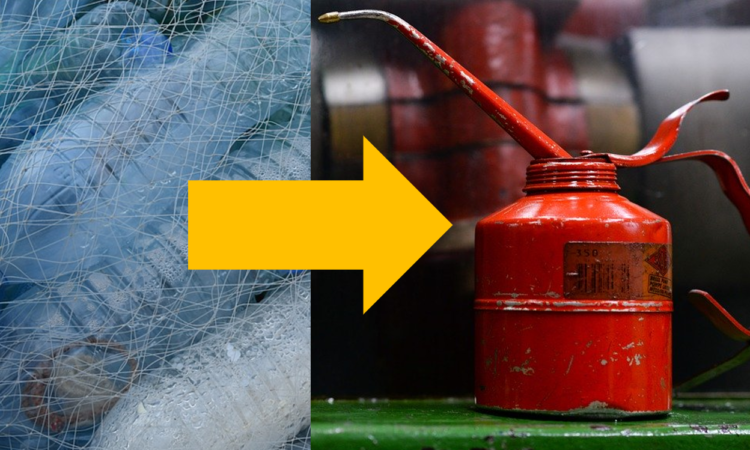
Researchers uncover a new catalytic process!
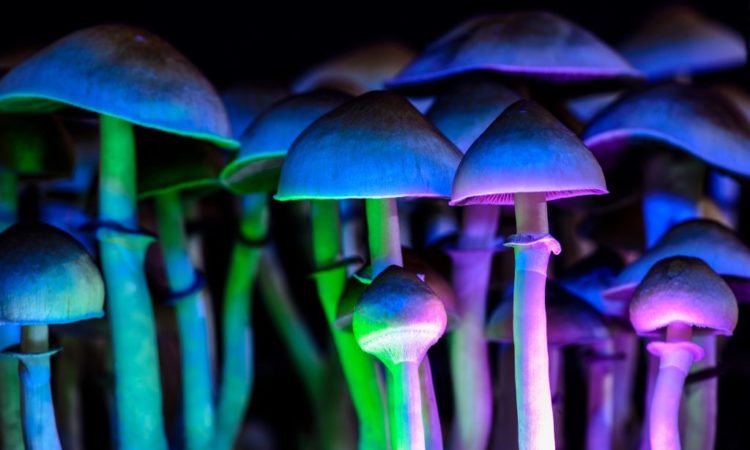
With a renewed interest in psilocybin — the psychedelic substance present in magic mushrooms — by the medical community, the Weng group at MIT sets up to study one of the enzymes that makes it.