The Scream is one of the most famous paintings in the world, but it’s bright colours are fading! The worlds of art and science team up to help solve this mystery.

The Scream is one of the most famous paintings in the world, but it’s bright colours are fading! The worlds of art and science team up to help solve this mystery.
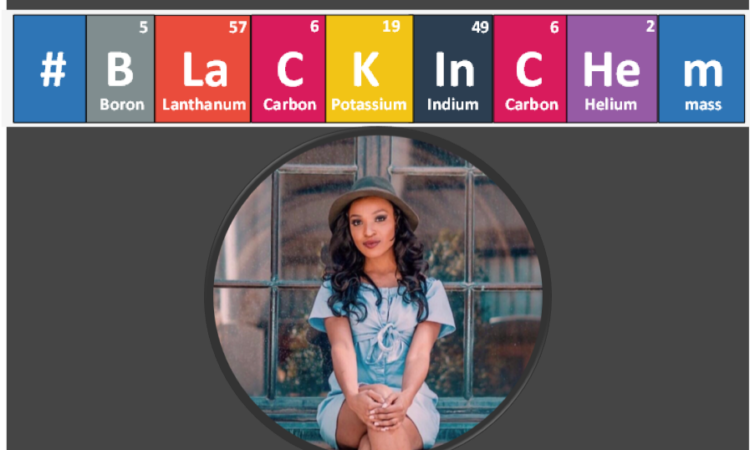
Ayanna Jones, a PhD student and passionate advocate for representation in science, shares her story and advice on making chemistry more inclusive
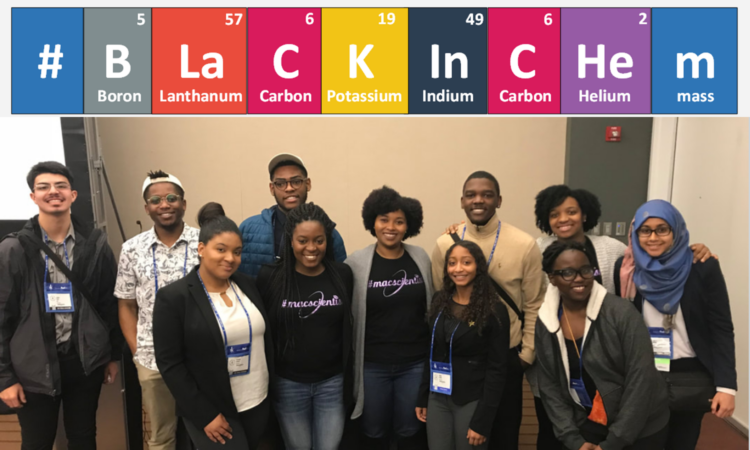
Devin Swiner, one of the founders for #BlackInChem, shares what’s she’s learned, the hard-won wisdom she has earned as a Black woman in analytical chemistry.

A new synthetic method to produce melanin, the natural molecule that leads to hair color, shows promise as a safer hair dye.
Get experience writing about chemistry!
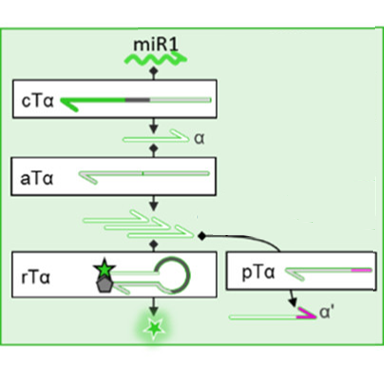
Instead of the wires, batteries, and light bulbs used in electric circuits, biochemical circuits use DNA and enzymes to get the job done.
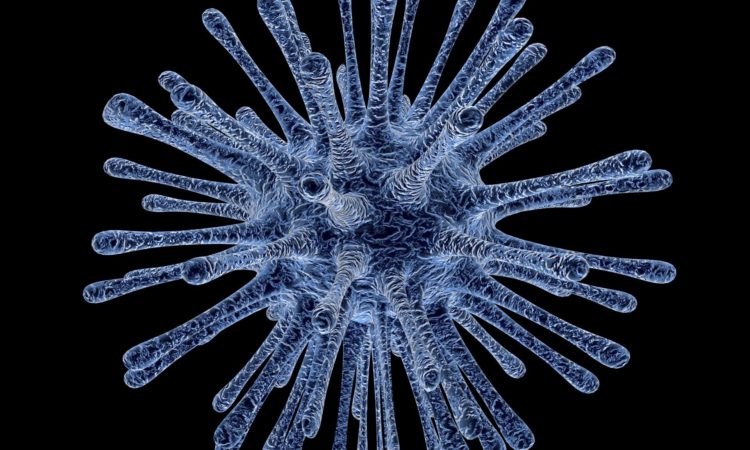
Researchers developed a new way of tackling viral infection by designing nanostructures similar in shape to the virus particle.

Discovery of the biosynthesis of a FDA-approved plant drug
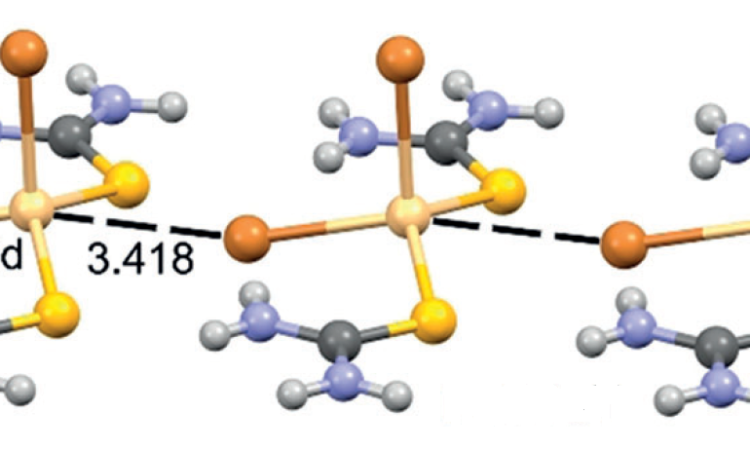
The new bond occurs between elements of Group XII of the periodic table in (pseudo)tetrahedral geometry and electron donors.
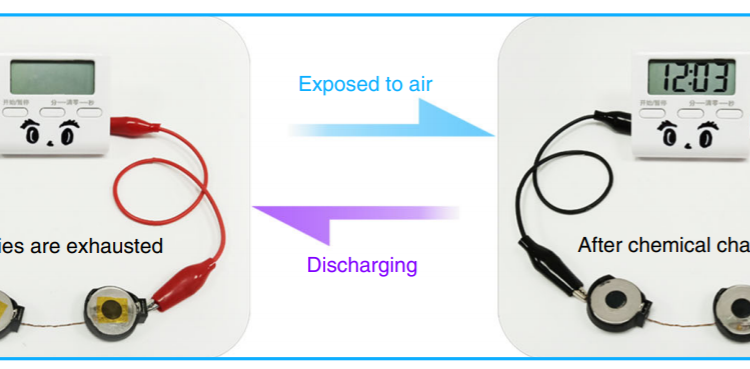
When batteries run out of charge, you need to plug them into electricity to recharge them. New research has created a battery that can recharge itself without needing electricity.
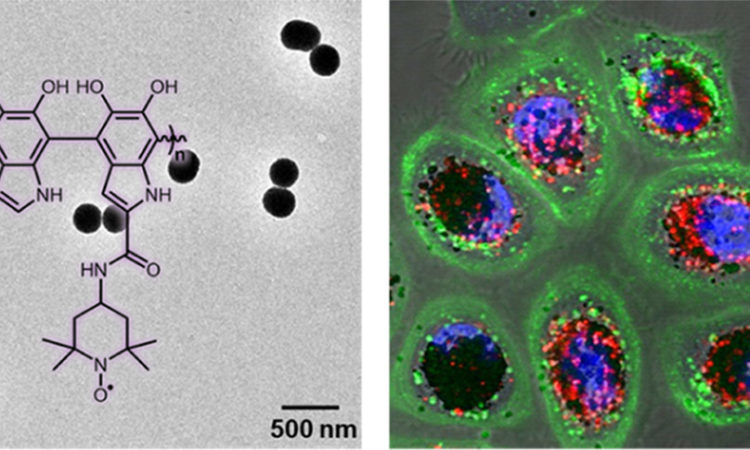
How does melanin protect cells from damaging radiation? How can this ability be improved?

Skin-conforming, ultra-thin wearable medical sensors could make going to the doctor less invasive than ever before. This newly developed, “tattooable” sensor uses a newly developed material to create one of the thinnest yet.
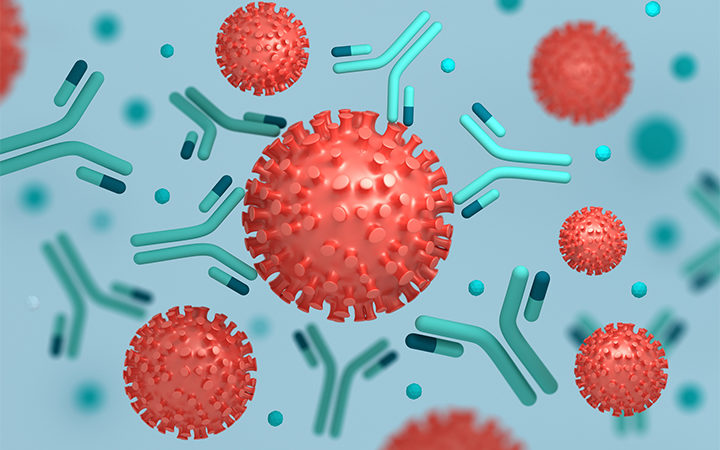
The worldwide death toll from the pandemic disease COVID-19 has now surpassed half a million people, sparking global vaccine development efforts. One of the most important elements in the immune system’s response to a vaccine is the antibody response, but antibodies to different parts of the invader can have different effects. In order to better understand which parts of SARS-CoV-2 are targeted by antibodies from the human immune system, Hongye Wang and colleagues developed a SARS-CoV-2 peptide array. By observing which peptides were targeted by antibodies from patients with COVID-19, the authors were able to profile which of these regions were responsible for raising antibodies. Their technology will also be useful in future vaccine development efforts.

Let’s find out how researchers are using ‘artificial intelligence’ as a tool to the advancement of drug discovery.
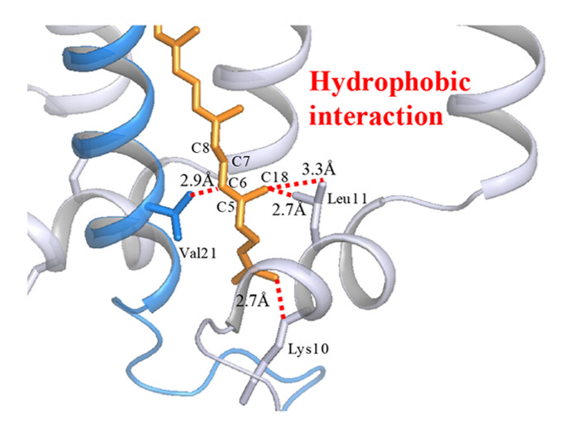
When cooking an egg, heat denatures proteins in the egg. How does a thermophilic bacteria prevent its proteins from denaturing too?

The authors here present the next step in artificial nanoengines – an engine that can perform multiple cycles over the same path.
An interesting correlation has been discovered between consumption of spices and a lower fatality rate from COVID-19.

How do you design a “cage” for a molecule? And how do you release it again, selectively? Find out about a rationally designed red-light labile protecting group.

“Jailbreaking” your smartphone is one thing—but what if you could jailbreak nature itself?

The impacts of systemic racism extend far beyond police brutality. It’s time we face up to systemic racism within chemistry, and take action to reform it for the better

Scientists can now identify plastic in coastal water from pictures taken by European Space Agency (ESA) satellites
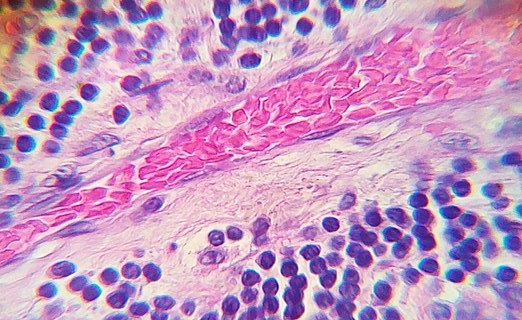
Paper: ECM-based microchannel for culturing in vitro vascular tissues with simultaneous perfusion and stretch Journal: Lab on a Chip Authors: Azusa Shimizu, Wei Huang Goh, Shun Itai, Michinao Hashimoto, Shigenori Miurad and Hiroaki Onoe Year: 2020 Featured Image: Jesus Leonardo Rondon Tapia–Creative Commons License Inflammation or…
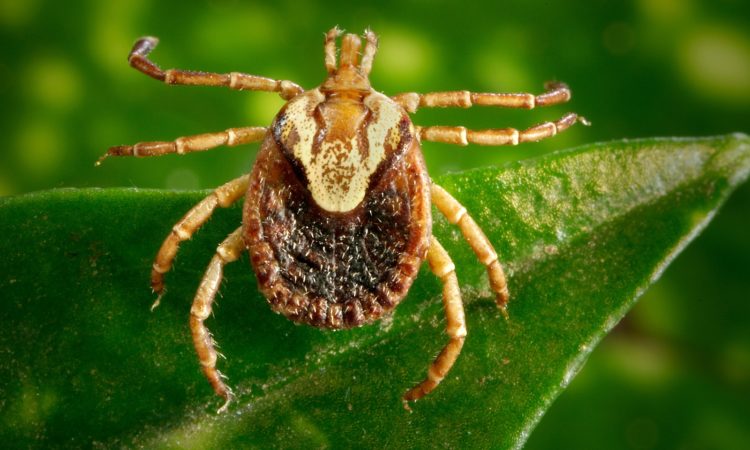
Ticks are usually viewed as disgusting parasites, but new research has emerged that may make you change your mind about these little critters.

The coronavirus pandemic caused by the virus SARS-CoV-2 has now caused over 100,000 deaths in the United States alone. However, only a small fraction of people infected develop severe illness leading to death. Why do some people barely display any symptoms, while others progress to complete respiratory failure? Here, researchers at Shanghai Children’s Hospital used chemical proteomic technology to identify protein-protein interactions between SARS-CoV-2 and human proteins and use these data to better understand how the virus interacts with the immune system, leading to a runaway reaction in some patients. They also correlate levels of important immune proteins IL-6 and IL-8 to COVID-19 severity in patient samples, in agreement with their chemical proteomic data.
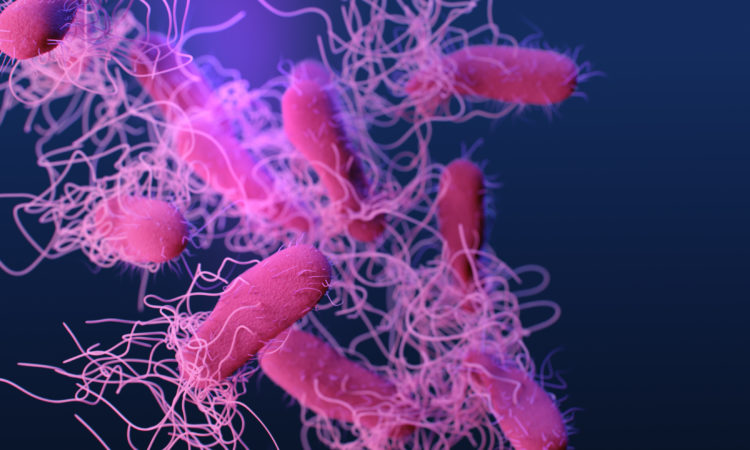
Sphingolipids – a new gut microbiota molecule that impacts host health