How gut microbes produce lipid plasmalogens
How gut microbes produce lipid plasmalogens
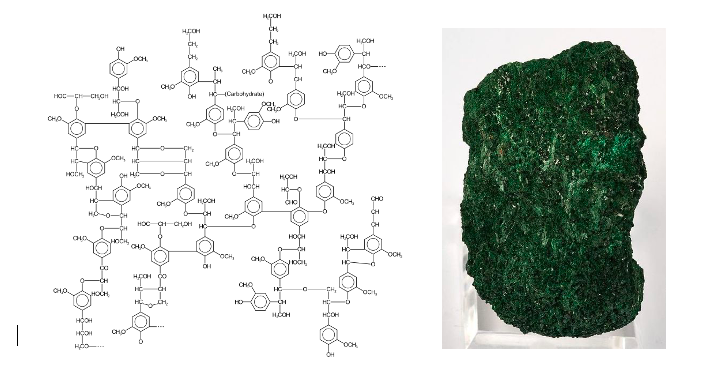
Copper concentration in pesticides can be decreased by combining copper with lignin, a waste product from paper manufacturing.
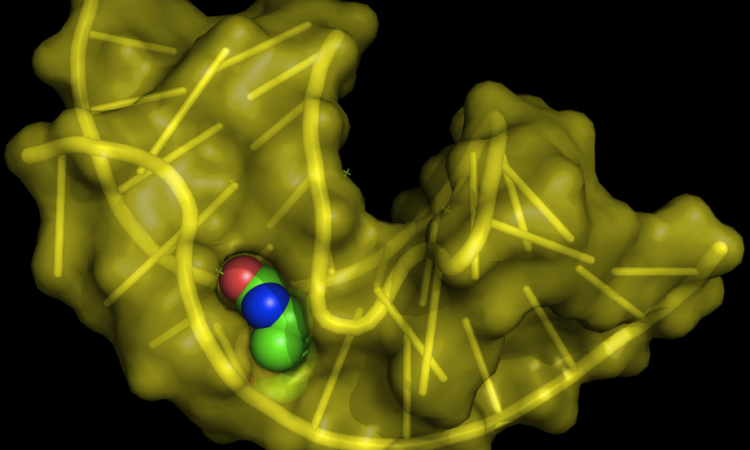
With a growing interest in the field of RNA-targeted therapeutics, robust platforms to study RNA small-molecule interactions are needed. Read about the latest endeavor here!
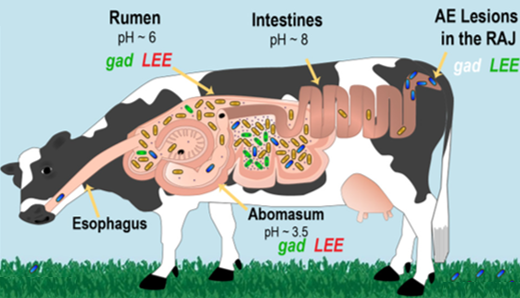
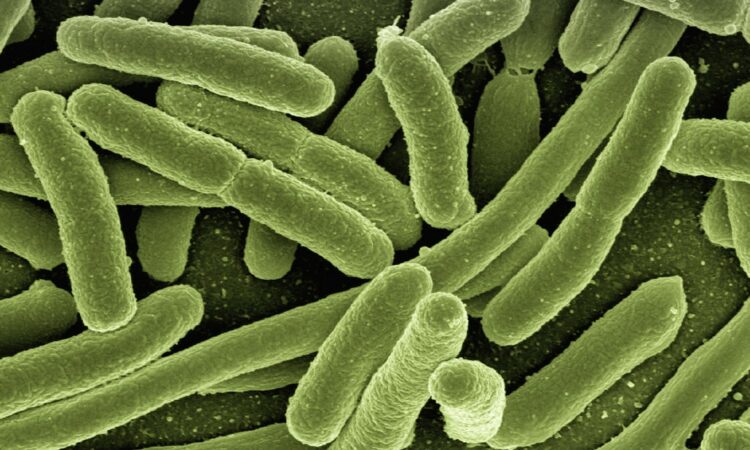
Infected cattle can transmit E. coli to humans through contaminated ground beef, but scientists are looking for a solution.

Engineering bacteria to make the dye ‘royal purple’

A new look on the chemistry occurring inside a flame!
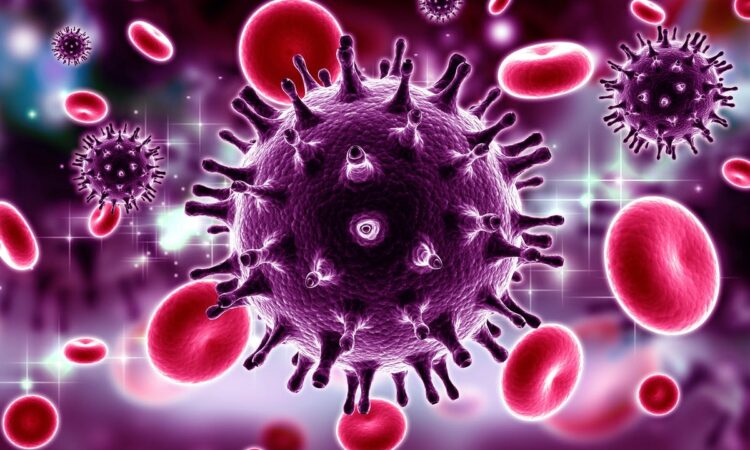
Primary Source Info: Title: Visualization of the HIV-1 Env Glycan Shield Across Scales Authors: Zachary T. Berndsen, Srirupa Chakraborty, Xiaoning Wang, Christopher A. Cottrell, Jonathan L. Torres, Jolene K. Diedrich, Cesar A. López, John R. Yates III, Marit J. van Gils, James C. Paulson, Sandrasegaram Gnanakaran,…
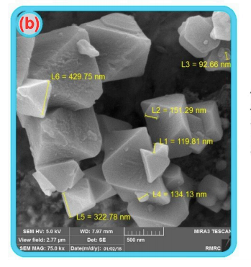
A metal organic framework housing a copper atom can be used to detect antibiotic in waterways.

The onset of Alzheimer’s disease is still not well understood. Researchers have developed a high-resolution visualization technique that could lead to improved treatment outcomes. Check it out!
Sustaining the world’s population requires finding creative new ways to boost food production
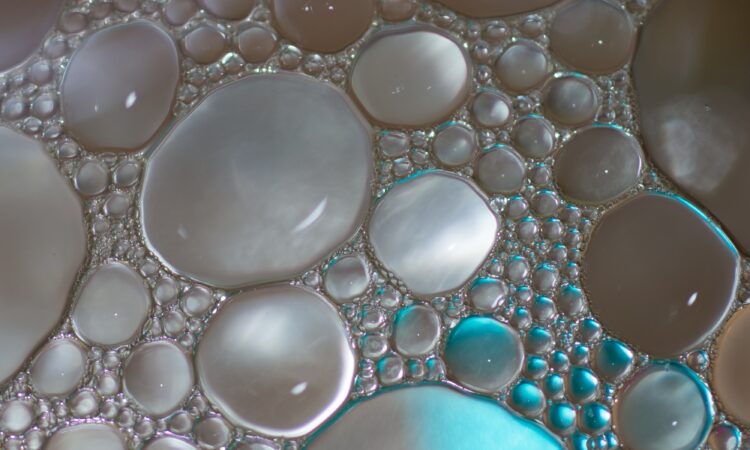
Developing new ways to produce clean alternative energy sources is of paramount importance. Let’s find out how researchers are using reactions within droplets to produce hydrogen gas, a clean energy source.

Developing a drug that is able to enter the cell and interact with its target is no mean feat, especially for large molecules. Read about how this group ‘masked’ large molecules to improve their cell permeability.

While most scientists search for specific treatments for viruses like Ebola, Zika and SARS-Cov-2, non-specific methods can have broad impact. Researchers from the United States and Germany joined forces to make molecular “tweezers” that pick apart viruses to death.
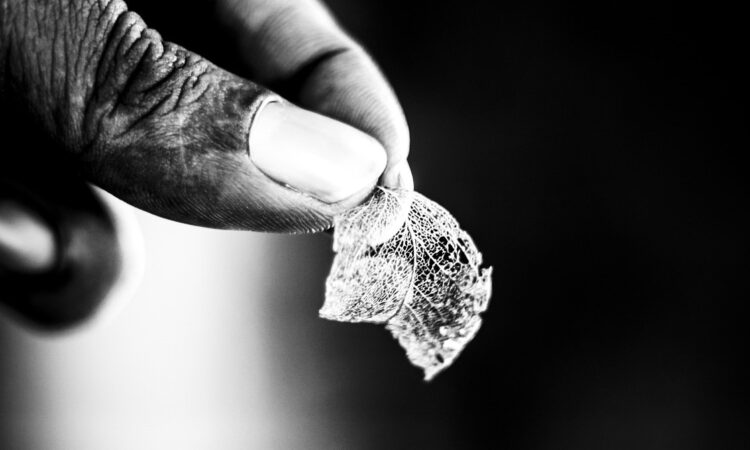
The story of a research team in Botswana that joined forces with local traditional healers for a powerful scientific collaboration.

A new way to have incompatible reactions occur in spatially separate regions of a liquid to create methanol from methane.
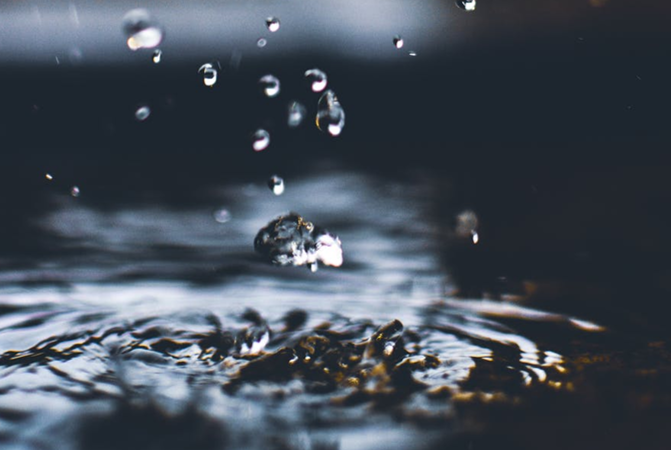
The earthy smell of soil originates from the bacteria that live there. But why do they produce this particular scent?

Tired of consuming 5 different medications a day? Read how the researchers are developing new ways to load different drugs in a single delivery system.
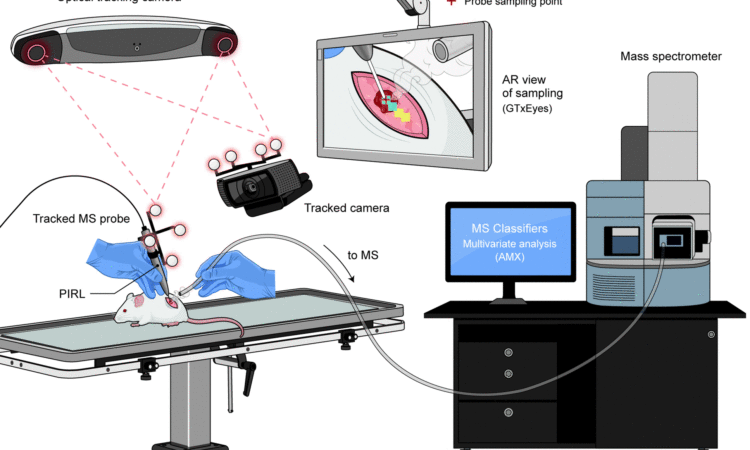
Scientists developed a platform to assist cancer removal during surgery
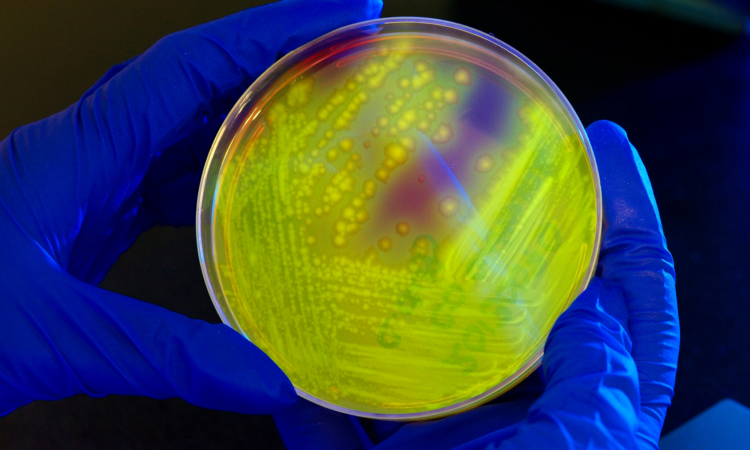
How do you get microbes to produce cryptic compounds?

The power of levitation isn’t just for magicians anymore. Learn about a new way of examining water droplets as they float in midair using just sound!
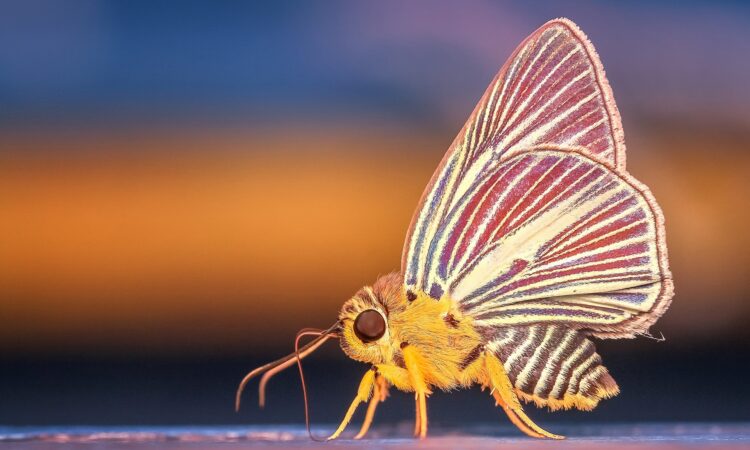
How do pheromones travel from one insect to another? Humidity may change the answer to this question.
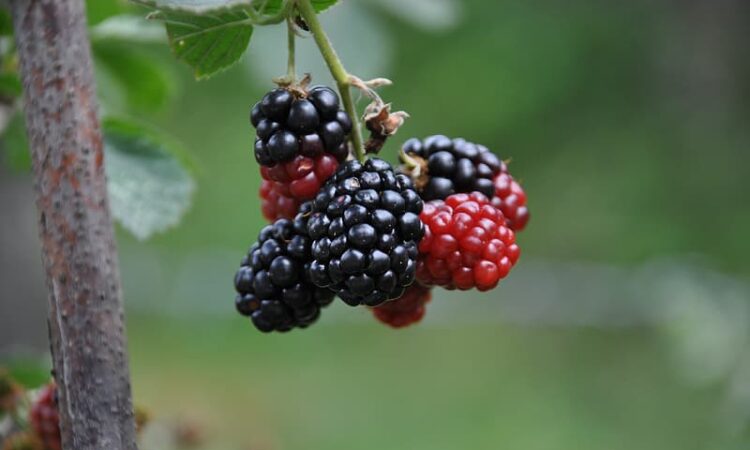
Black mulberry juice is a known antioxidant – compounds that can consume free radicals before they can harm your cells. Researchers at Guangdong University also show that boiling mulberries increases its ability to treat colon cancer in cell culture, but not through antioxidant mechanisms.
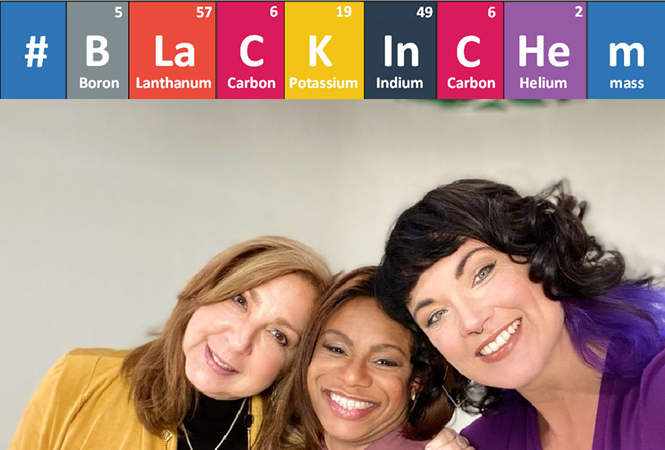
Ashley Walker, founder of #BlackInAstro and co-founder of #BlackInChem, explores her experiences and motivations. Having overcome many barriers and obstacles, she shares her unique journey as a Black woman in physical chemistry, what she’s learned, and her advice to others.
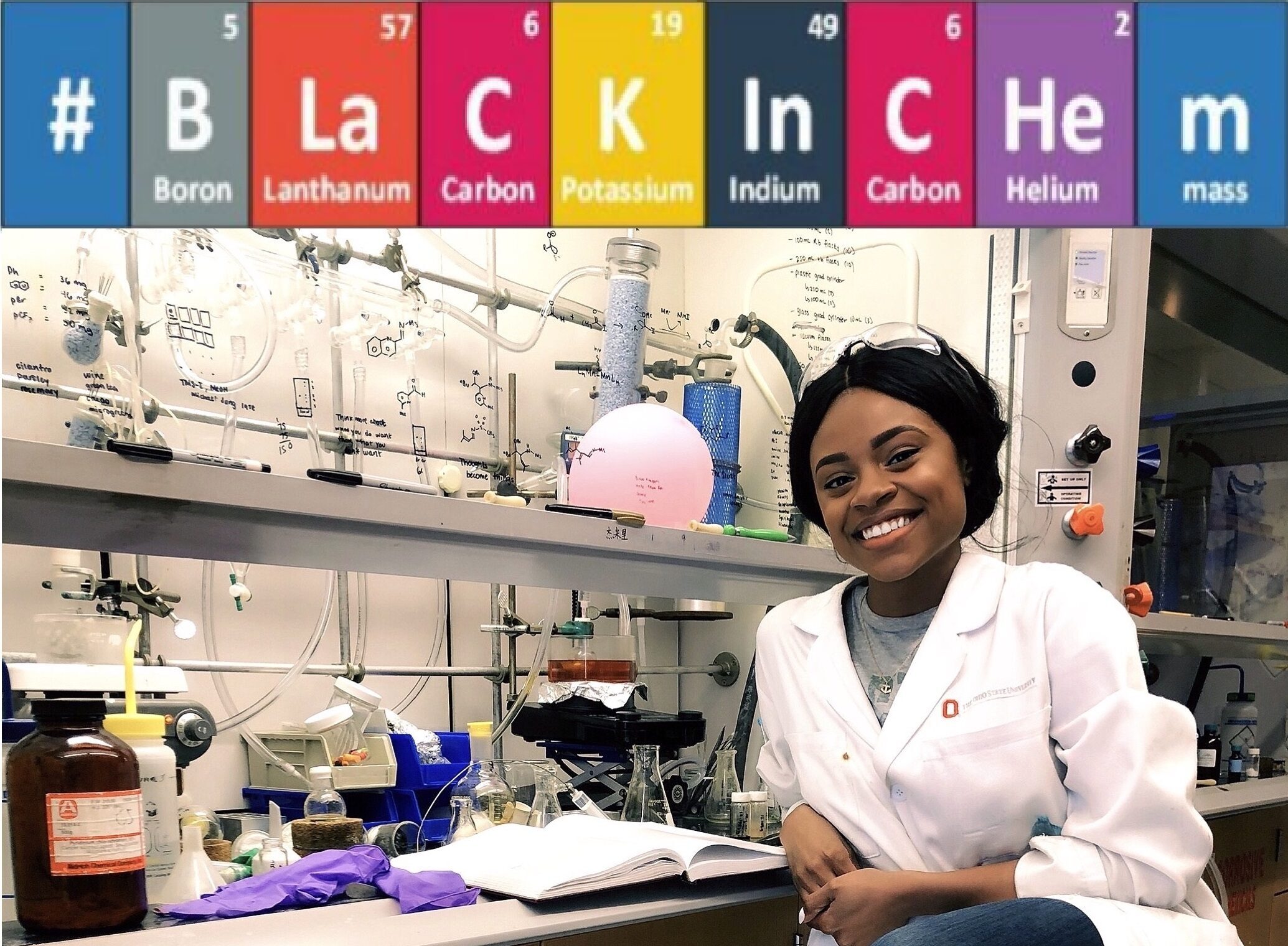
Armed with the belief that chemistry should be as diversified as the world that we all live in, Joy Rutherford tells us how this motivates her to overcome the odds that come with being a PoC PhD student. However, these challenges don’t stop her from becoming a multi-faceted academic success!
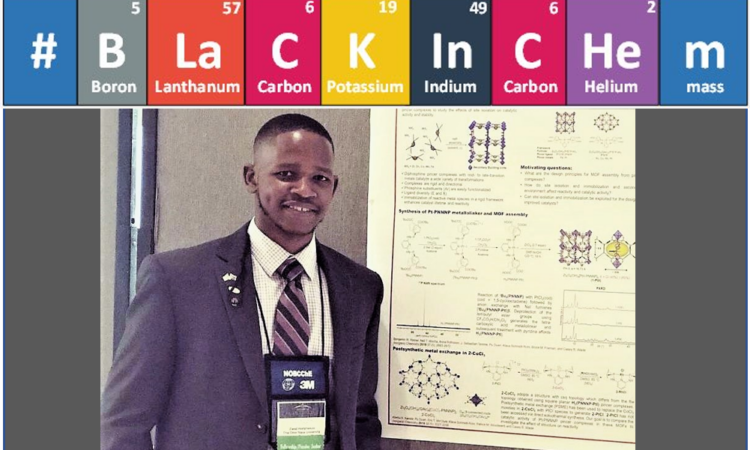
Zweli Hlatshwayo shares his experiences as a Black international student at Ohio State University, and his struggles with impostor syndrome after he started his PhD.