Researchers use a naturally crystalline protein to act as a cage to hold another enzyme. This assembly can then be used to turn waste cooking oil into biodiesel.
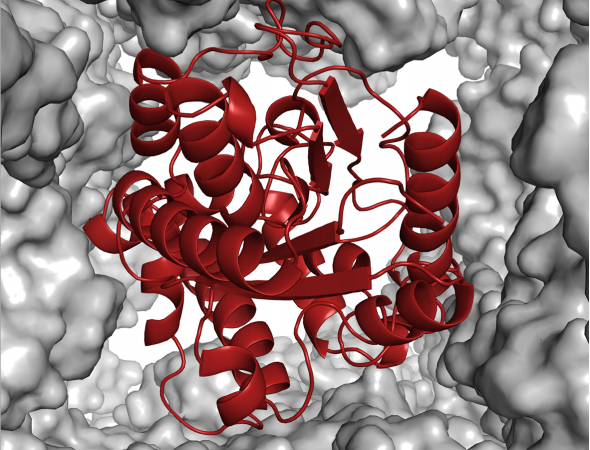
Researchers use a naturally crystalline protein to act as a cage to hold another enzyme. This assembly can then be used to turn waste cooking oil into biodiesel.

When the authors’ blurb about their own work is “Okay, bloomer,” you know you have to read it.
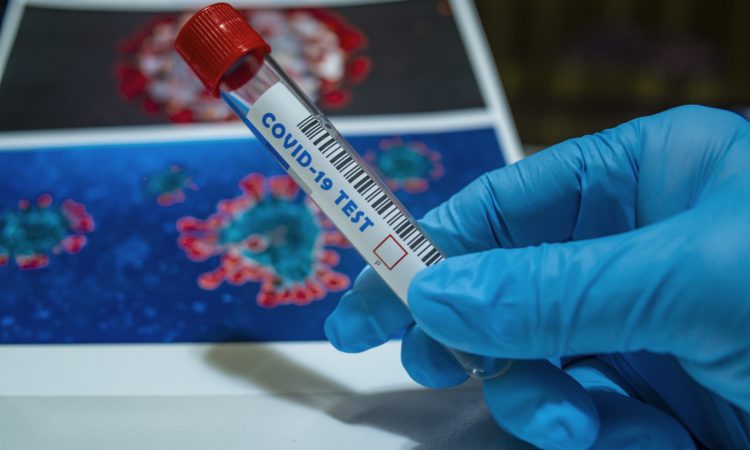
Coronavirus has affected every one of us directly or indirectly. Early detection can lower the spread of the disease. Let’s learn about a new technique for rapid detection of SARS-CoV-2, the virus responsible for COVID-19.
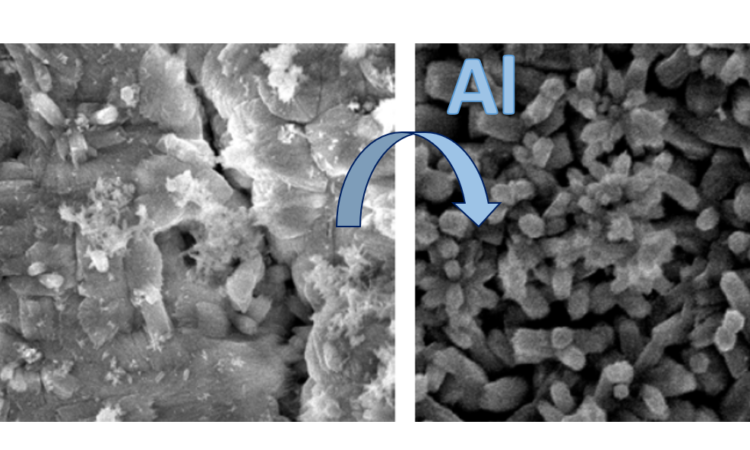
Lead pipes still exist in older infrastructure, but chemical water treatment can prevent (or increase!) the release of lead from the pipes to drinking water.
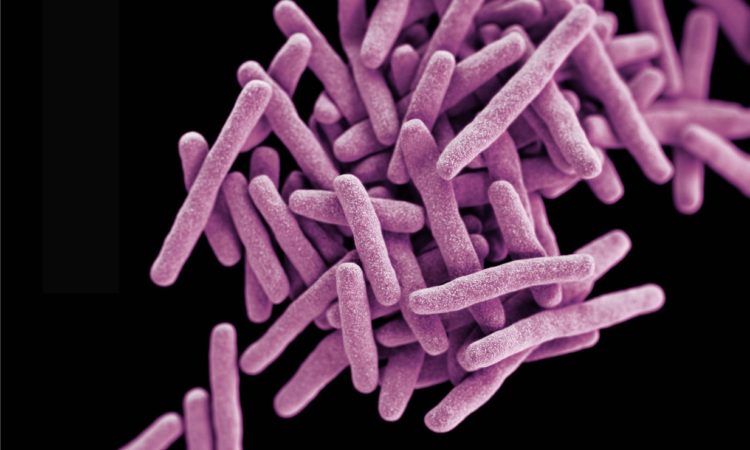
Mycobacteria are tough, pathogenic microbes that shield themselves with a hardy envelope known as the mycomembrane. Little is still known about the proteins that build or interact with this envelope, but these researchers are up to the challenge.
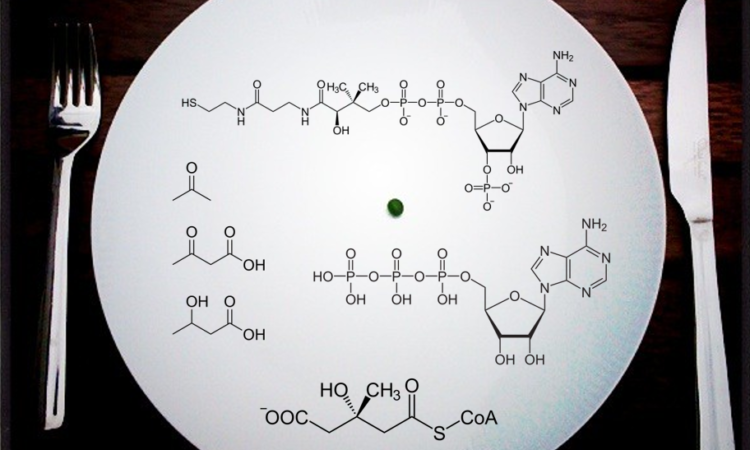
Our bodies evolved two primary systems to generate energy so why is one so misunderstood?

A surprising new source of chlorine to the atmosphere: road salt!
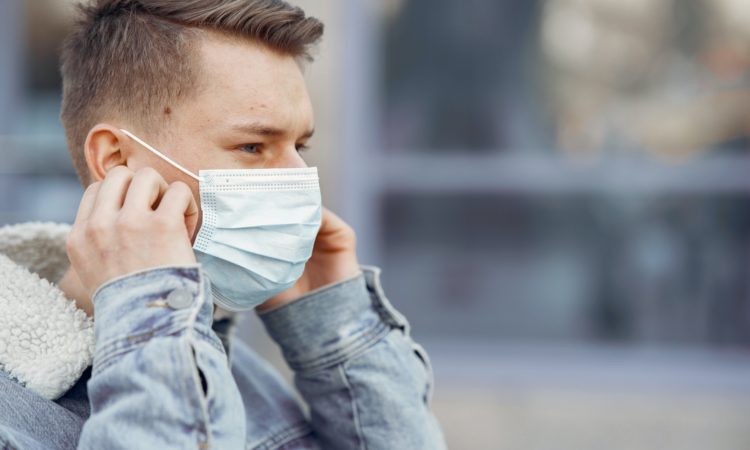
The COVID-19 global pandemic has affected nearly every aspect of our lives, including the daily use of face masks. But how well do home-made fabric masks really filter the air we breathe?
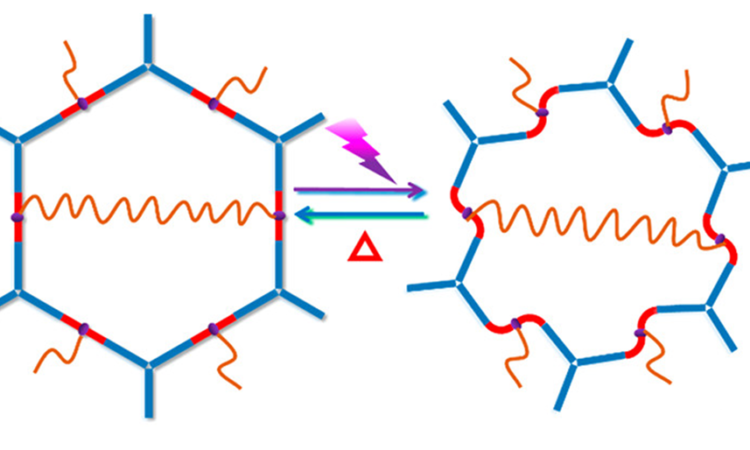
Light-responsive substances are all the rage; find out how one research group invented a new class of photomechanical materials.
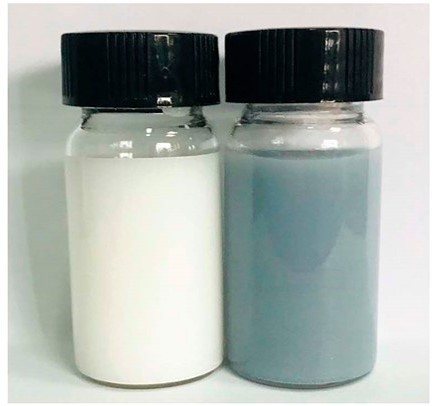
Researchers discover a new way to dope high-melting oxides in solution with hydrogen.

Appreciating the 3D structure of the tiny chemical compounds we work with can be really difficult – but what if you could project the structure onto your living room floor?
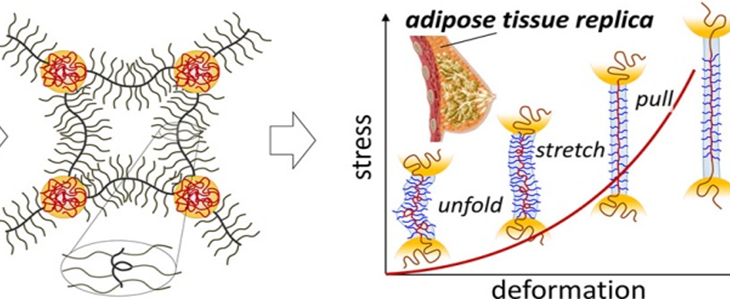
Living tissues are mostly soft, but put them under a bit of stress, and they quickly become firm to prevent tissues from breaking. This property has been very difficult to imitate with synthetic tissues, but new research has finally bridged that gap.
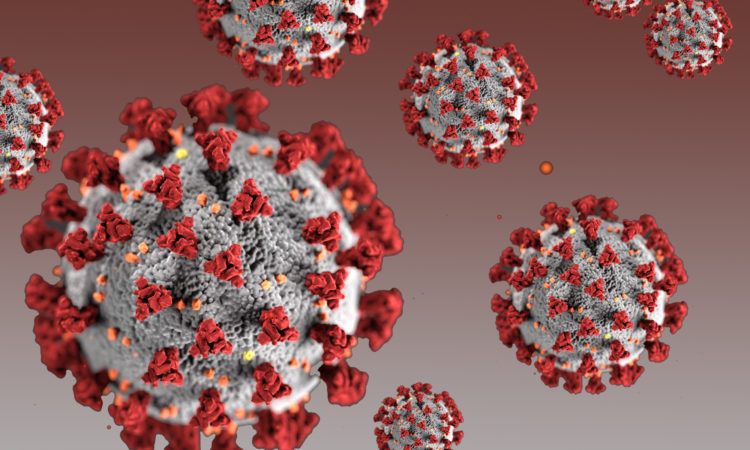
The COVID-19 pandemic has quickly become the worlds most significant public health challenge. Within days, the FDA is expected to announce the authorization of Gilead’s antiviral drug remdesivir to treat this disease. In this paper, Calvin Gordon and coauthors explore the biochemical mechanism of remdesivir, helping us understand why this drug, of all the antiviral drugs available to us, might be effective against the novel coronavirus.

Cancerous tumors can often create areas of low oxygen concentration around them. This creates challenges for cancer treatments that rely on creating reactive oxygen species to damage tumor DNA. Research from the University of Chicago developed a metal-organic framework to help reverse hypoxia in cancerous tumors in mice.
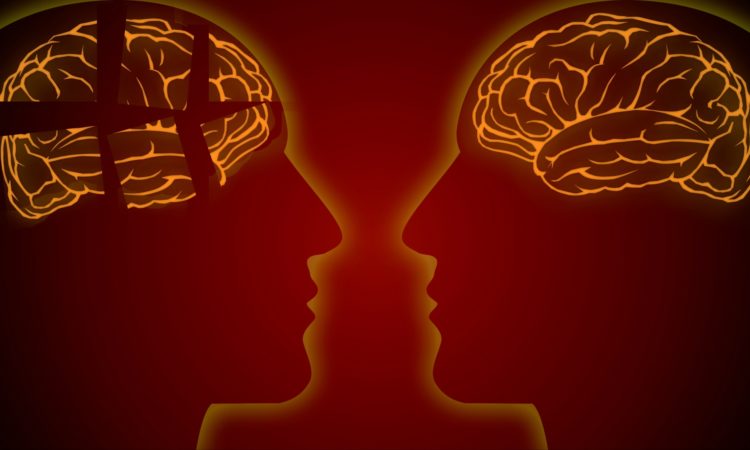
Alzheimer’s is an extremely complicated disease with limited treatment options. Researchers have recently designed some very simple molecules that may be able to help.

Researchers show for the first time that “unnatural” codons can code for “unnatural” proteins within a cell. Organisms can now operate with both synthetic code and synthetic hardware!

Researchers discover a new way fungi fuse rings together
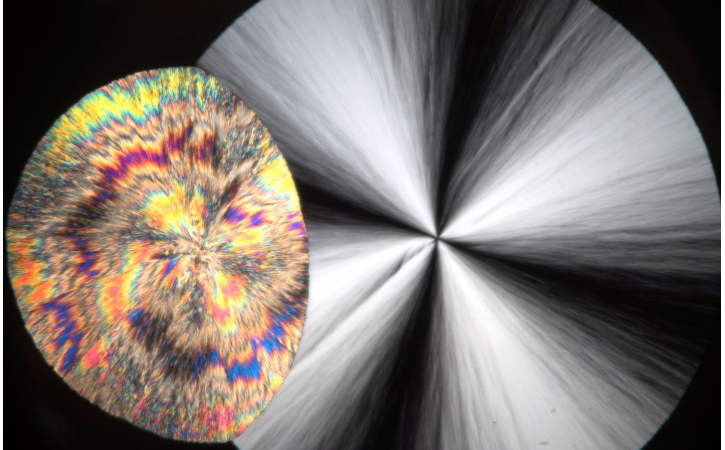
For some molecules, it’s not just gas, liquid, and solid. In these cases, careful characterization is required to determine if a liquid-liquid phase transition is occurring or nanocrystals are forming.

Chemists take a gander at how to make more appealing whole wheat loaves. For your COVID-19 baking needs and beyond!

Innovation in healthcare sector is important now more than ever. Let’s learn about how researchers used sound waves to develop a new technology for rapid, bed-side testing of haemoglobin.
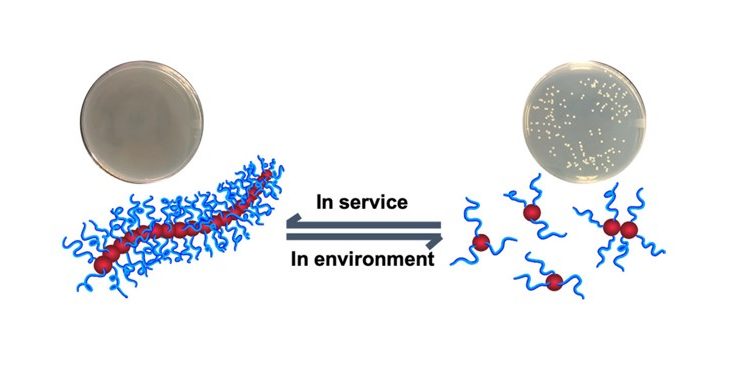
Antibiotics are lifesaving, but current practices don’t keep them from accumulating in the environment where they can damage nature and human health. A new antibiotic design aims to solve this problem.
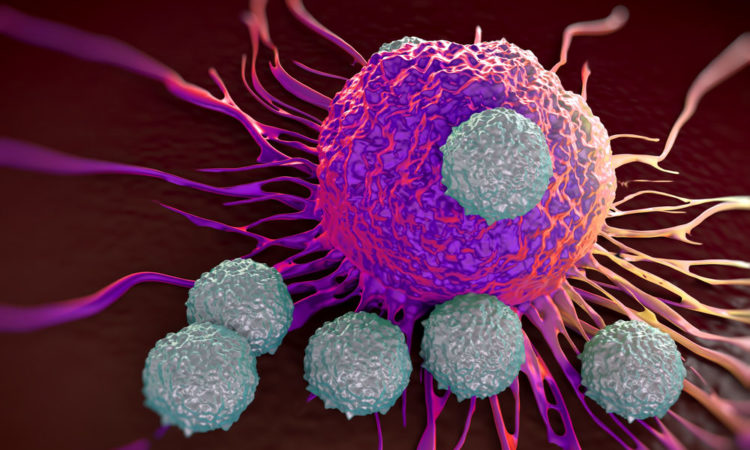
Their highly specialized roles of immune cells also mean they have molecular machineries that are a bit different from those in other cells, Find out here how researchers are using chemistry to advance our knowledge of one of such components, the immunoproteasome.

The amount of charging on an object changes when it is folded or unfolded.
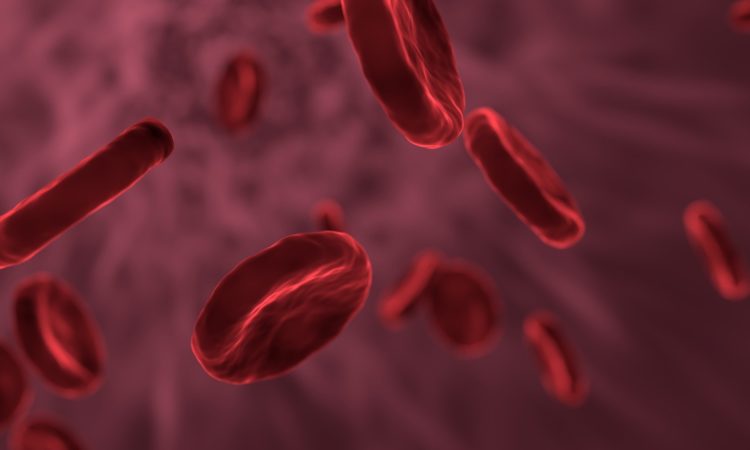
Micromachines that can swim through the bloodstream could be a powerful tool to deliver essential medicine. But why design synthetic micromotors when one already exists in biology?
Researchers have developed a new technology that can remove harmful PFAS chemicals from water.
