Researchers uncover a new catalytic process!
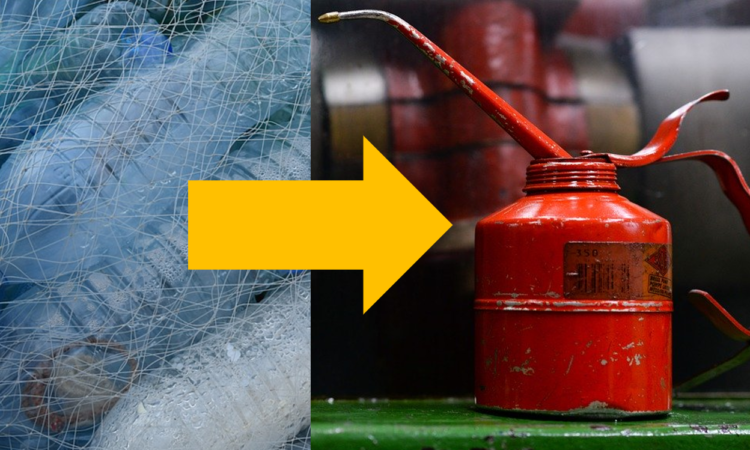
Researchers uncover a new catalytic process!

With a renewed interest in psilocybin — the psychedelic substance present in magic mushrooms — by the medical community, the Weng group at MIT sets up to study one of the enzymes that makes it.
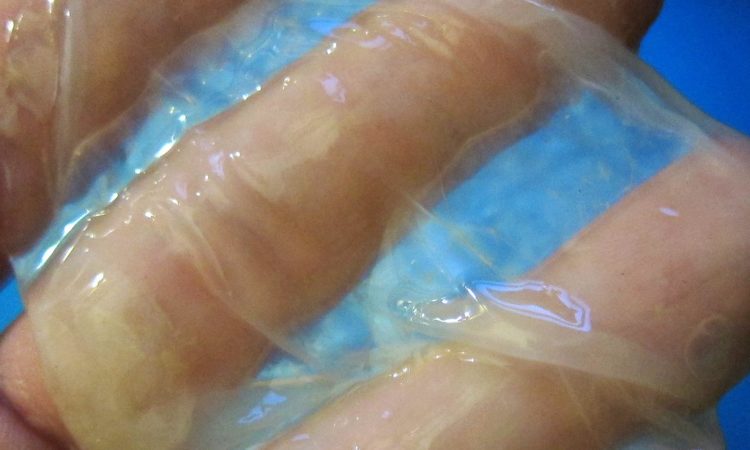
Inspired by nature, researchers at MIT have printed the soil bacteria, Bacillus subtilis, into polymer gels to create a living material with the ability to heal wounds and eliminate the highly infectious bacteria Staphylococcus Aureas. Check it out!
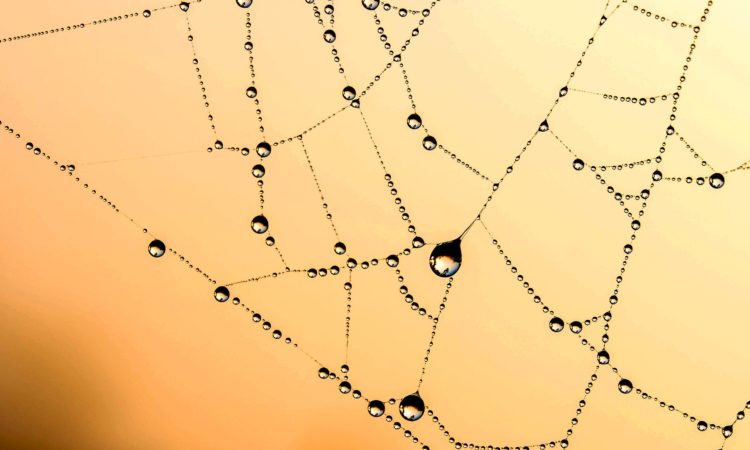
Filters are one of the best ways to trap and remove pollution and small particles from the air. Let’s learn how spiderweb-like networks can be made from polymer into incredible filters.

Mordançage is a photography technique that has been used by artists for decades, but only recently have researchers discovered the chemistry behind the process.
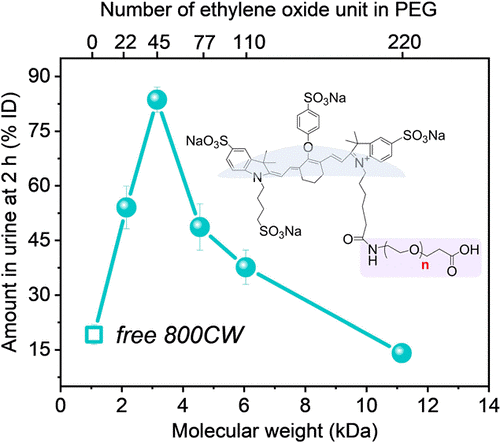
As nanotechnology is developed into drugs for human health, scientists need to study nanoparticle clearance rates from the body.

Water capture technology has made collecting water from the air a reality, but dry climates have always posed a challenge. New research takes us a step closer to providing fresh water in some of the driest places on Earth.
Water is one of life’s most essential substances; here, we look at some methods researchers are using to control the properties of water under extreme conditions.
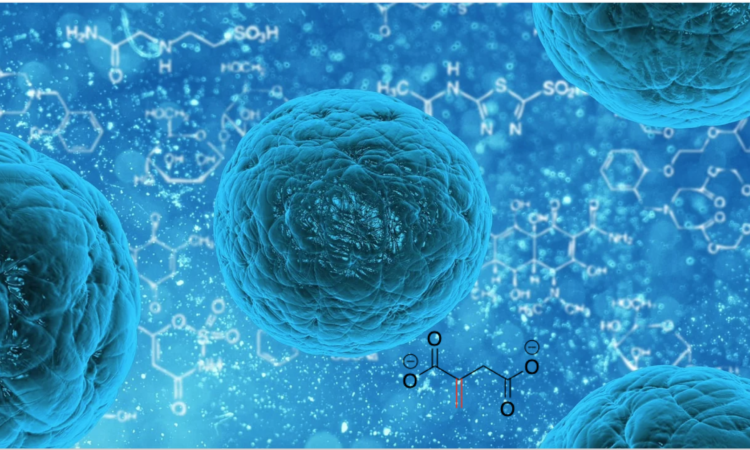
A Chinese research group has employed a chemical proteomic strategy to determine the mechanism of action of the anti-inflammatory molecule itaconate. Itaconate non-enzymatically modifies cellular proteins in order to modulate their activity, leading to a reduction in the activation of immune cells, which could pave the way to an autoimmune therapy.
Hospitals are supposed to be havens for sick people, but they can also be breeding grounds for dangerous bacteria. A new kind of air filter for hospital HVAC systems can both remove and destroy bacteria for the air, helping prevent infections before they can start.
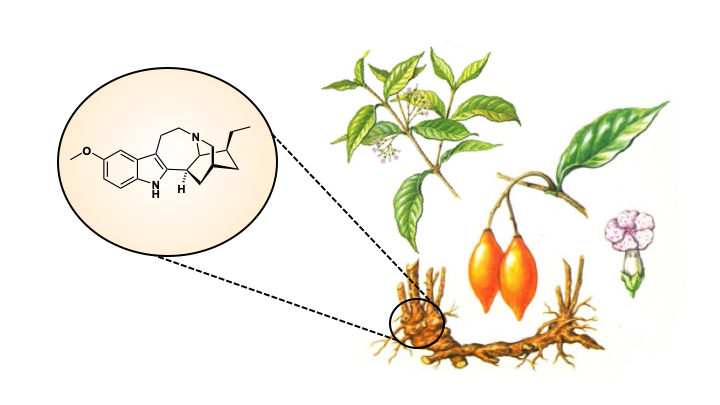
Researchers have looked at the biosynthetic pathways in plants to help them synthesise the potential anti-addiction agents ibogaine and voacangine.
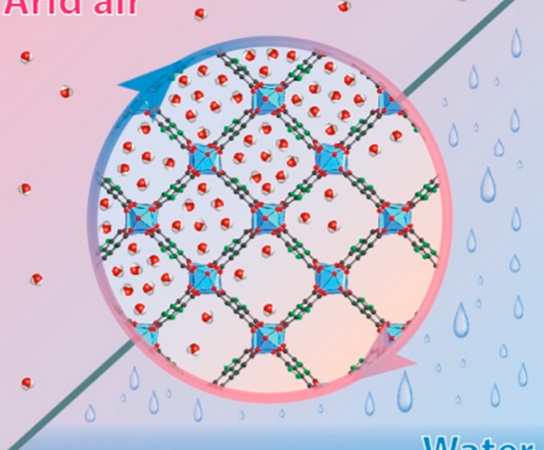
These researchers have developed a technology to pull water out of air in dry climates.

Everyday your cells are working overtime to keep you functioning. Learn how these researchers developed a new technique to peer through the crowded cell and study one individual protein.
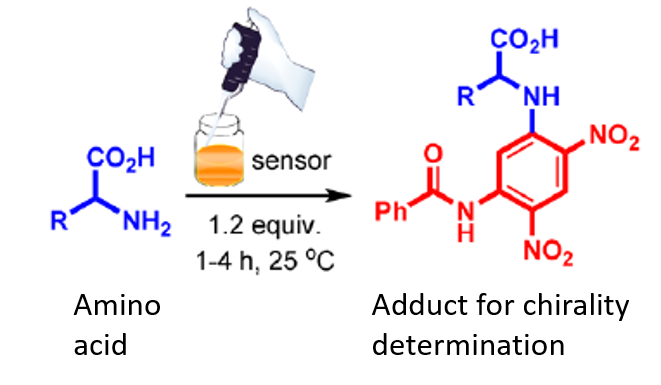
Researchers develop an easy to use method to identify the chirality of the amino acids, amines and alcohols.
Studying membrane-bound proteins requires stabilizing their structure outside of the membrane – otherwise they fall apart. But our analytical techniques have not risen to the challenge. Sadaf et al. pushes us forward by developing novel detergents for stabilizing membrane proteins.
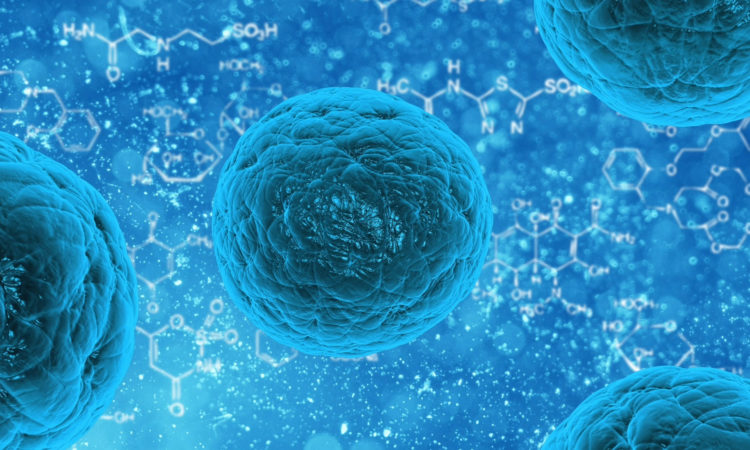
Ting and coworkers discover a microbial compound made by recycling a peptide.
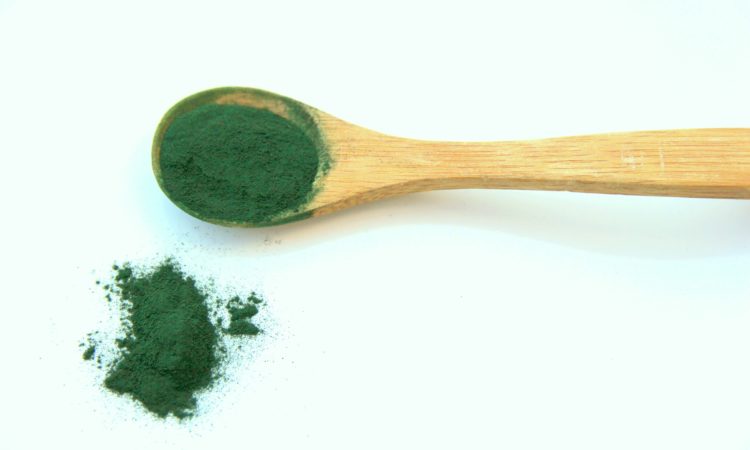
A group from the University of Tübingen obtained single-cell proteins with circular resources and renewable energy.
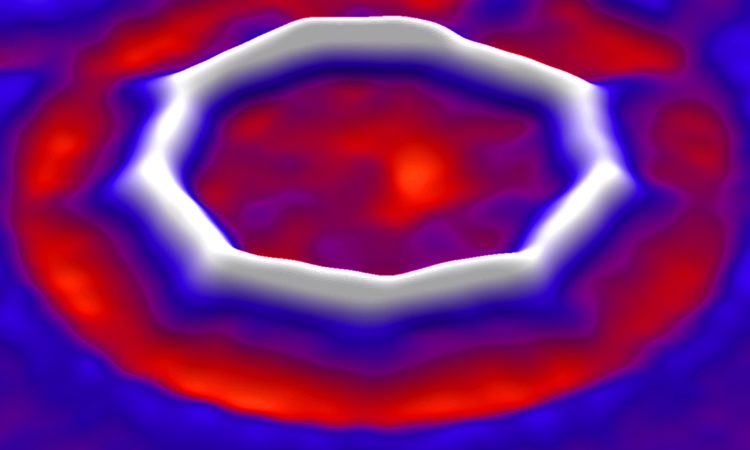
What does a ring of 18 carbon atoms look like? An atomic scale image settles the debate.
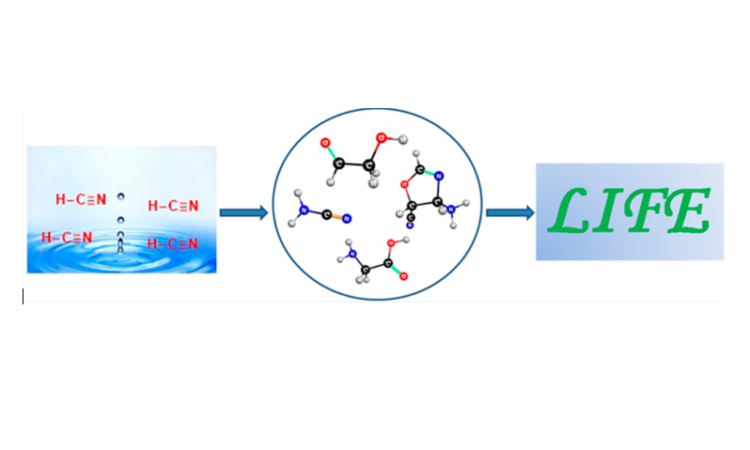
Researchers have discovered that two molecules, HCN and H2O, could have reacted to create the building blocks for life.

There’s a new record holder for the world’s blackest material. Learn about how randomly oriented carbon nanotubes can be used to create a coating darker than anything else ever made!

Scientists discover a novel mechanism for taking apart tiny machines
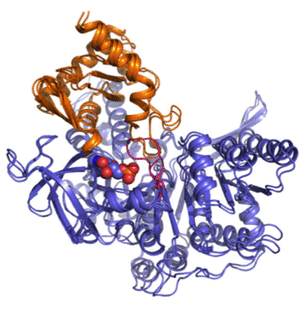
A clever, two-part biocatalytic strategy grants access to products of reductive amination that can be troublesome to obtain through more traditional synthetic methods.

Although skunks are nocturnal animals that prefer their own company, they won’t hesitate to spray potential predators, people or pets with fluid from their anal glands. For many years, these anal secretions have fascinated natural products chemists but repelled most of the rest of us. Learn about a new way to “de-skunk” from researchers at the University of Oklahoma.
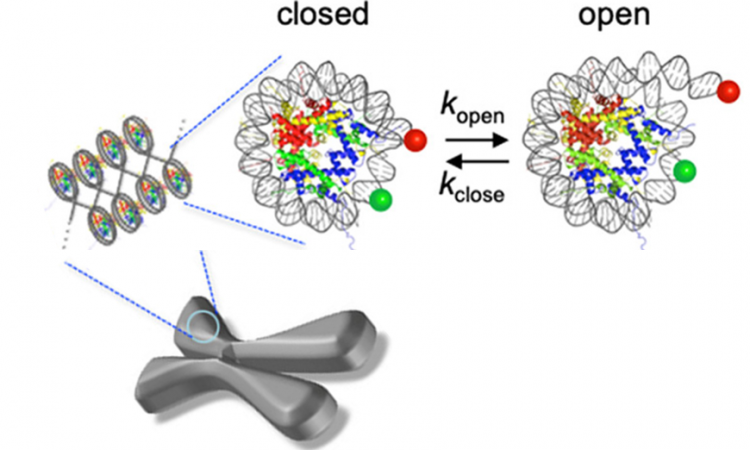
DNA is the instruction manual for how to produce an organism, one gene at a time. But our heart cells, liver cells, and brain cells are different, despite having the same DNA, thanks in part to the “epigenetic” modifications that control which genes are expressed.
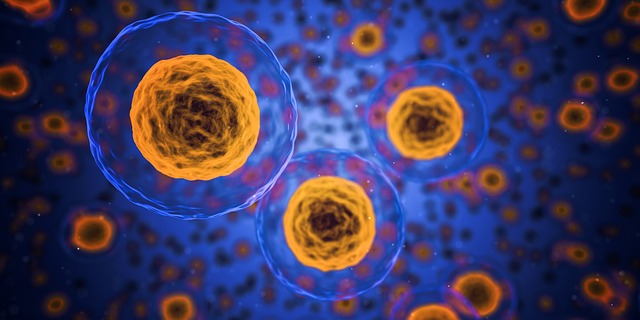
Scientists want to use nanoparticles to deliver drugs straight to where they’re needed in your body – but can the nanoparticles enter the right cells? A new model describes how to design nanoparticles that get to where they’re needed.
