Computation has a way of finding its use in every field, and drug discovery isn’t exempt from it, especially when we are time-bound.
Computation has a way of finding its use in every field, and drug discovery isn’t exempt from it, especially when we are time-bound.

Buying sunscreen? Take a look at the ingredients list first.

Usually e-liquid has 4 ingredients listed – propylene glycol, glycerol, nicotine, and flavoring. However, the ingredients at the time of manufacturing do not necessarily reflect what you inhale in the aerosol. The ingredients can degrade to aldehyde products, which are highly reactive and may cause toxic outcomes for our cells.

CFC-11 is an industrially useful but ozone depleting chemical. The recently reported decline in global CFC-11 emissions grants the ozone layer a reprieve to heal.

Researchers meld ideas from biology and chemistry to generate hybrid catalysts that can catalyze natural reactions at even faster rates.

Sometimes we see a paper heading and freak out, put the paper away and never return to it. But don’t worry if that’s the case, we’ve got you…

The chemical composition of meteorites provides important information about which building blocks might have been available for the origin of life on Earth.

Many of us have first-hand experience with how hard it can be to get ice off things when you can’t melt it. Researchers have used the electrostatic charge in ice to make it jump, creating a new avenue for de-icing in the future.

Methanol production under mild conditions opens possible renewable path for methane upgrading
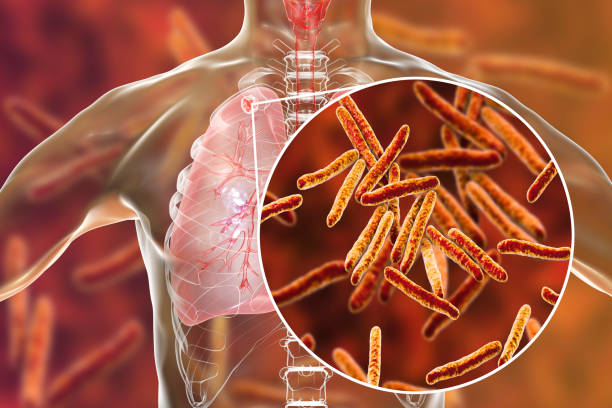
Mycobacteria, the pathogen that causes tuberculosis, is able to avoid being attacked by the immune system. A unique lipid in its outer membrane plays a major role.
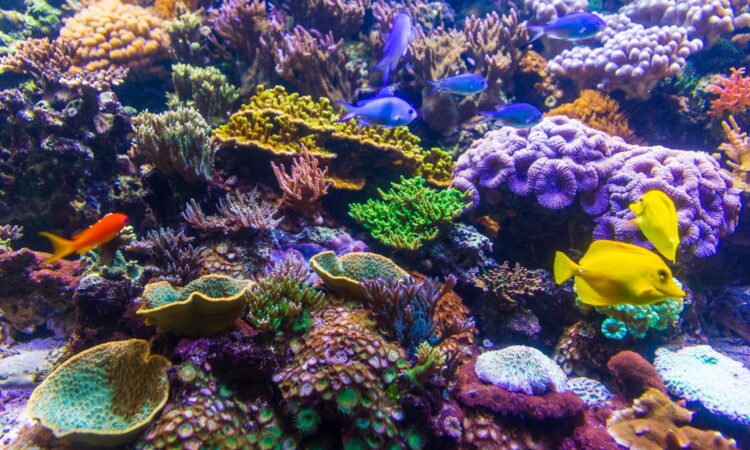
Microplastics are a nearly-invisible part of our daily life. But when they reach the ocean, the effects they have on coral reefs can be deadly.

Biology making precursors to perfumes, antibiotics, and more

OLEDs are earth-friendly, energy-efficient, all while being ultra-thin, flexible, and lightweight. They are the future of ultra-efficient lighting. Researchers are now coming up with new techniques to fabricate such sustainable and efficient OLEDs.

Many molecules can decrease enzymatic breakdown of our body’s natural painkillers…but which one is fit to be the best new drug?
As antibiotic resistance becomes a prevalent issue, new forms of drug delivery are vital. Researchers have created a drug delivery system that can encapsulate antibiotics and respond to differences in pH.

Catalysts can make reactions more efficient and less wasteful, but some metals catalysts are toxic and can cause environmental damage. Researchers have found an alternative catalyst made from the flowers of St John’s Wort and are using it to make chemistry more eco-friendly.

Peptides are becoming increasingly of interest as potential therapeutics, however, often they require chemical modifications. As peptides are polymers made up of repeating units of amino acids; how can we selectively modify one site over another?
If RNA is essential for life to develop, how could it emerge from messy chemical mixtures on early Earth?
Thermosets are a class of plastics that have been traditionally difficult to recycle. This new method to design and degrade thermosets may reduce plastic pollution.
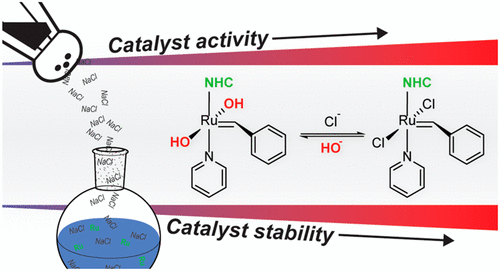
The addition of common table salt can transform the workings of a complex organic chemistry reaction.
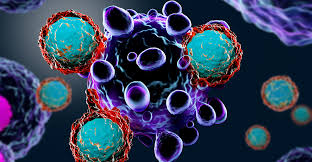
Genetically-engineered cell therapies are poised to become some of the most potent weapons in our arsenal against cancer and immunological diseases. However, significant toxicity is sometimes associated with these therapies due to uncontrolled proliferation and activation of these cells. To address this, Jan and colleagues developed a chemical strategy whereby an FDA-approved drug could be used to control the activity of these cells, opening the door for a new generation of safer and more controllable cell-based therapies.
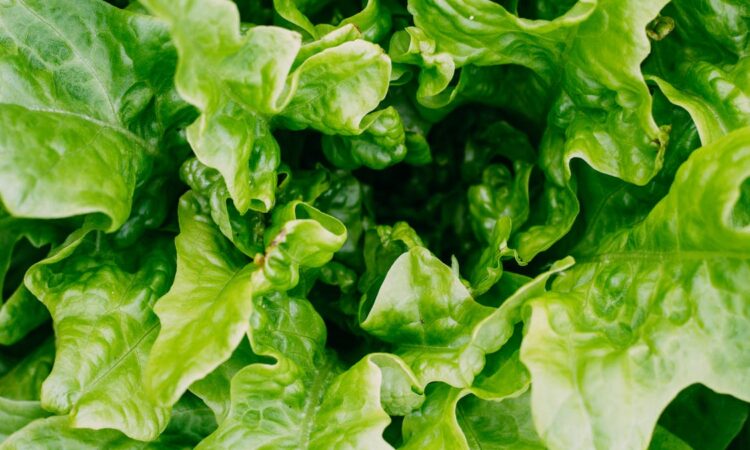
Antibiotics are all something we have all taken at one point or another – but how many of us wonder about what happens to those antibiotics next? When we stop and think about it, we might start to realise how our actions are unintentionally impacting the environment around us.

The world which we perceive is governed by the laws of classical mechanics. Whereas when we bring down the temperature conditions of a reaction to the ultracold regime, we start appreciating the reactions’ true nature.

Recently discovered tick enzyme can attack human skin bacteria, protecting ticks while they feed from human blood.
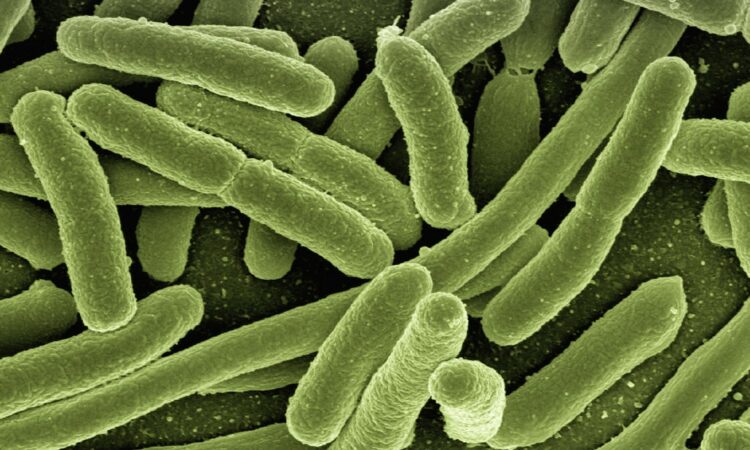
How gut microbes produce lipid plasmalogens
