Instead of the wires, batteries, and light bulbs used in electric circuits, biochemical circuits use DNA and enzymes to get the job done.
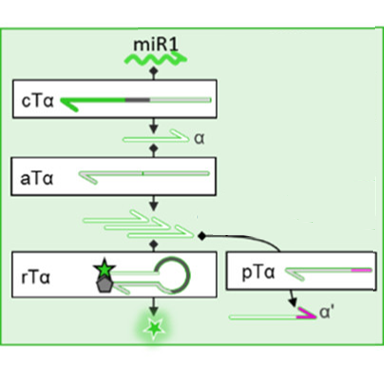
Instead of the wires, batteries, and light bulbs used in electric circuits, biochemical circuits use DNA and enzymes to get the job done.
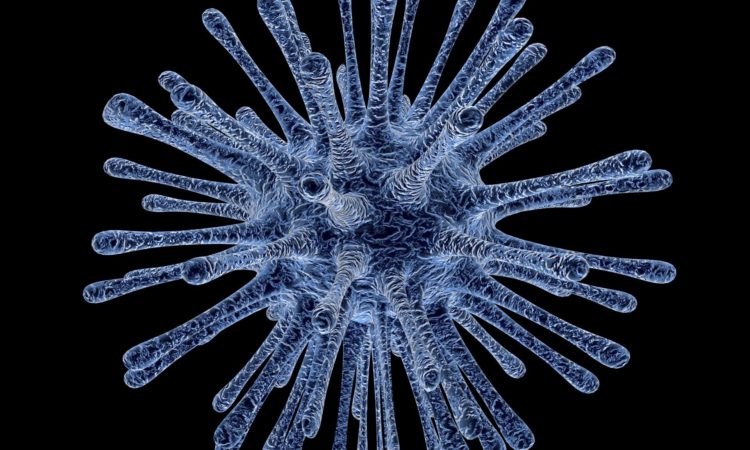
Researchers developed a new way of tackling viral infection by designing nanostructures similar in shape to the virus particle.

Discovery of the biosynthesis of a FDA-approved plant drug
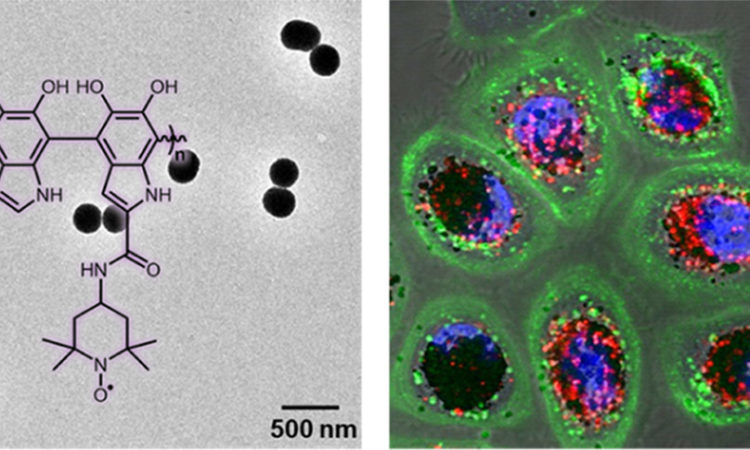
How does melanin protect cells from damaging radiation? How can this ability be improved?
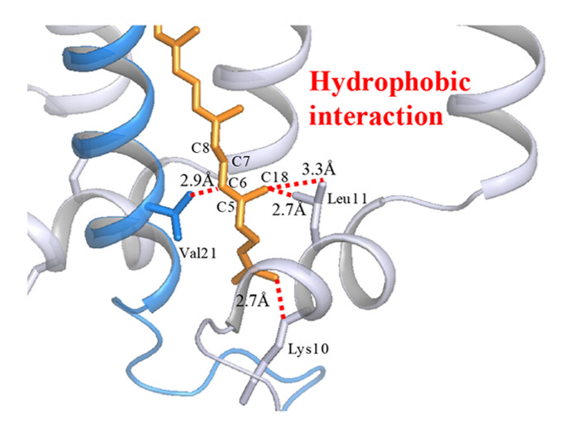
When cooking an egg, heat denatures proteins in the egg. How does a thermophilic bacteria prevent its proteins from denaturing too?

An interesting correlation has been discovered between consumption of spices and a lower fatality rate from COVID-19.

How do you design a “cage” for a molecule? And how do you release it again, selectively? Find out about a rationally designed red-light labile protecting group.

“Jailbreaking” your smartphone is one thing—but what if you could jailbreak nature itself?
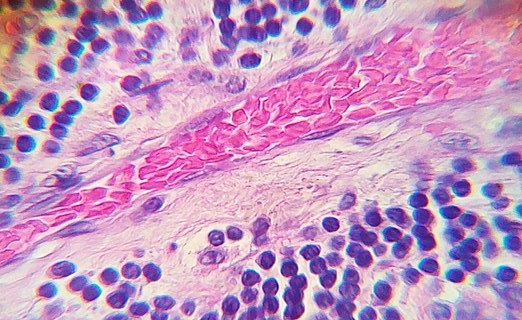
Paper: ECM-based microchannel for culturing in vitro vascular tissues with simultaneous perfusion and stretch Journal: Lab on a Chip Authors: Azusa Shimizu, Wei Huang Goh, Shun Itai, Michinao Hashimoto, Shigenori Miurad and Hiroaki Onoe Year: 2020 Featured Image: Jesus Leonardo Rondon Tapia–Creative Commons License Inflammation or…
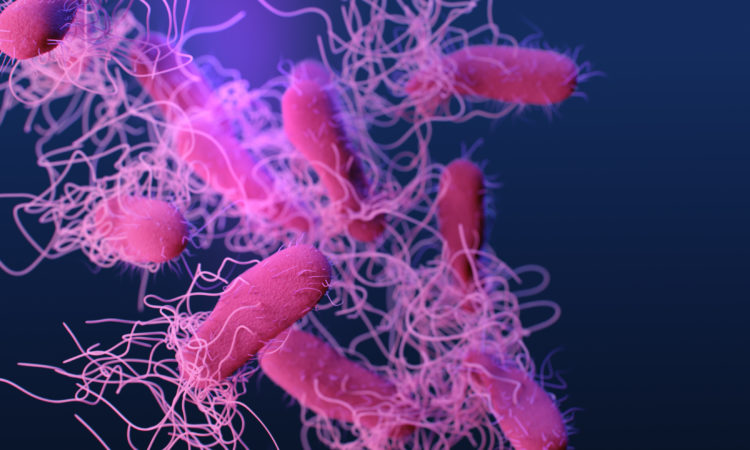
Sphingolipids – a new gut microbiota molecule that impacts host health
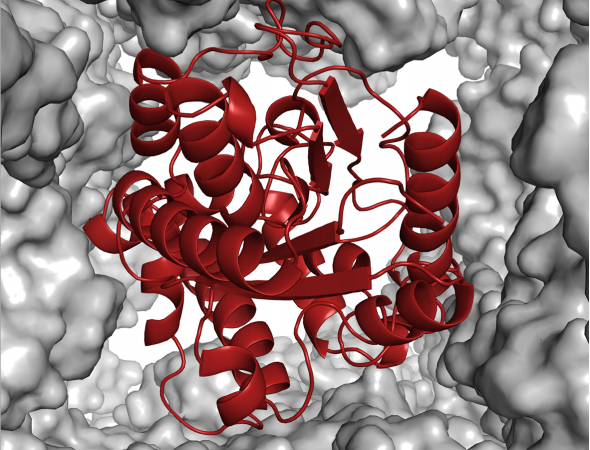
Researchers use a naturally crystalline protein to act as a cage to hold another enzyme. This assembly can then be used to turn waste cooking oil into biodiesel.
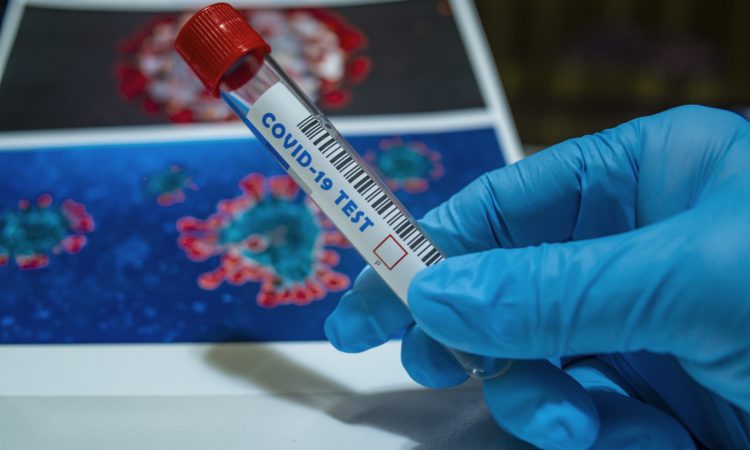
Coronavirus has affected every one of us directly or indirectly. Early detection can lower the spread of the disease. Let’s learn about a new technique for rapid detection of SARS-CoV-2, the virus responsible for COVID-19.
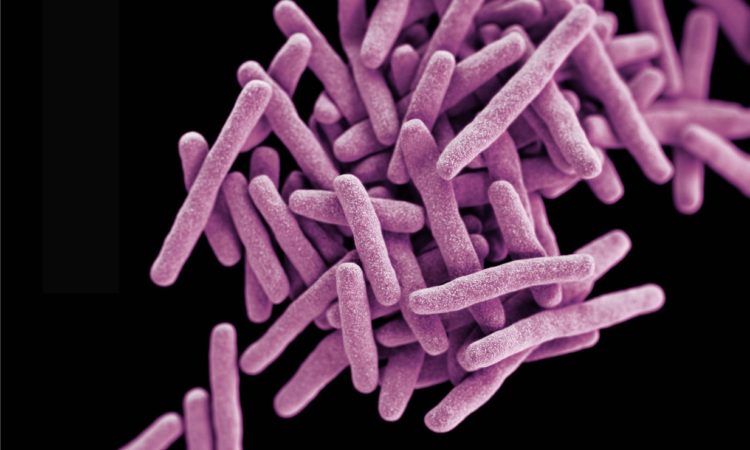
Mycobacteria are tough, pathogenic microbes that shield themselves with a hardy envelope known as the mycomembrane. Little is still known about the proteins that build or interact with this envelope, but these researchers are up to the challenge.
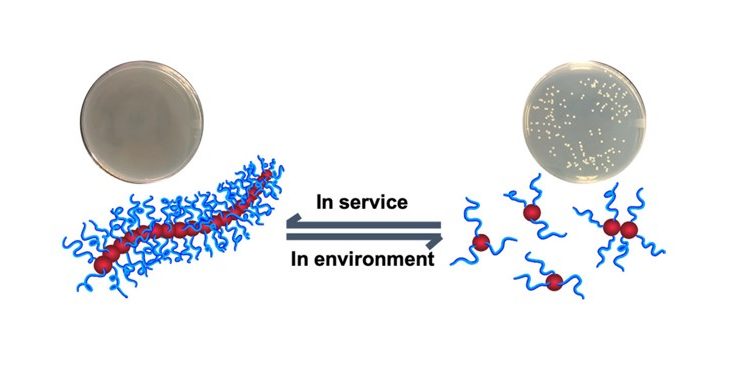
Antibiotics are lifesaving, but current practices don’t keep them from accumulating in the environment where they can damage nature and human health. A new antibiotic design aims to solve this problem.
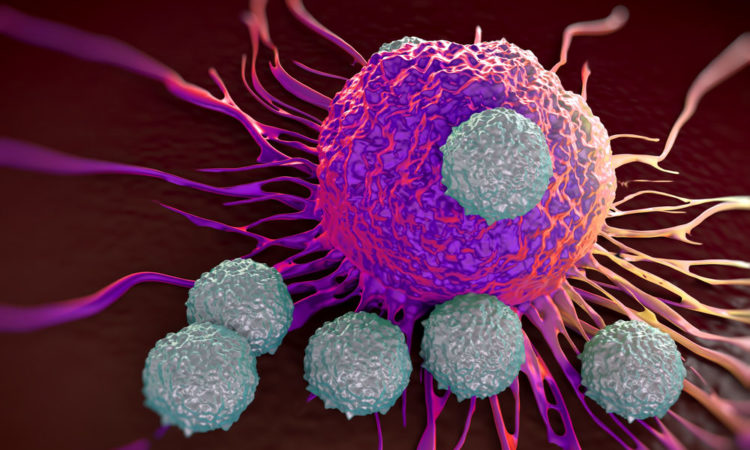
Their highly specialized roles of immune cells also mean they have molecular machineries that are a bit different from those in other cells, Find out here how researchers are using chemistry to advance our knowledge of one of such components, the immunoproteasome.
Micromachines that can swim through the bloodstream could be a powerful tool to deliver essential medicine. But why design synthetic micromotors when one already exists in biology?
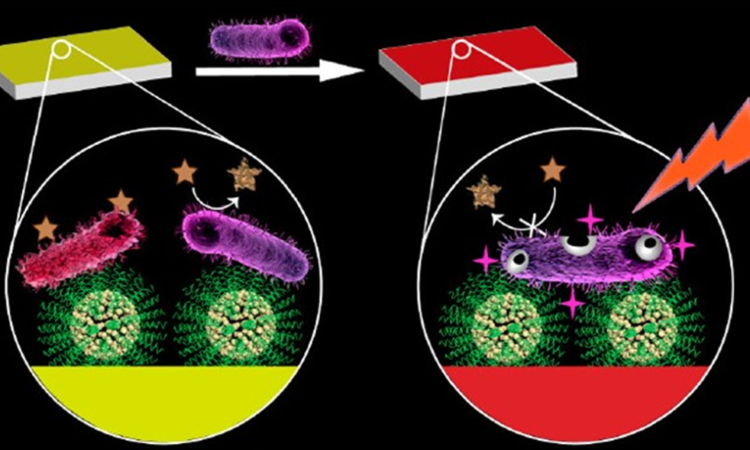
As infectious bacteria get more sophisticated in their survival strategies, it’s time our countermeasures did too.
The COVID-19 pandemic is consuming our news feed at the moment – while you’re self-isolating read about some of the great science research going on to combat our newest virus.
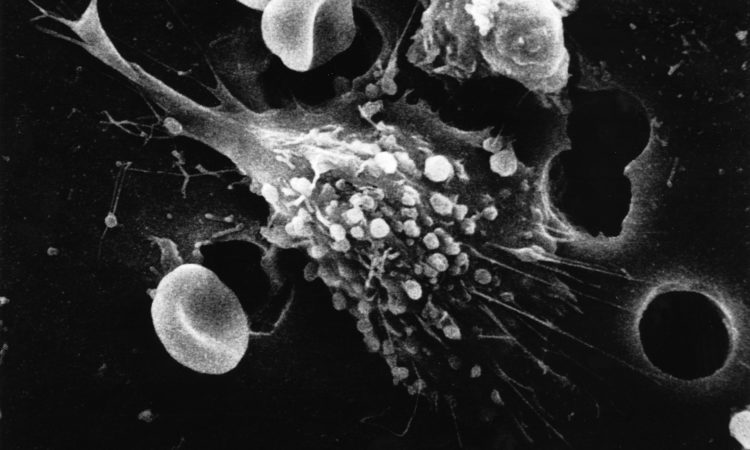
The development of chemotherapy revolutionised the treatment of cancer in the 20th century, however, side effects have remained problematic. Immunotherapy, using the body’s natural immune system to fight cancer, may be a safer and more effective alternative.

Bacteria evading antibiotics by behaving differently than their mother and sister cells
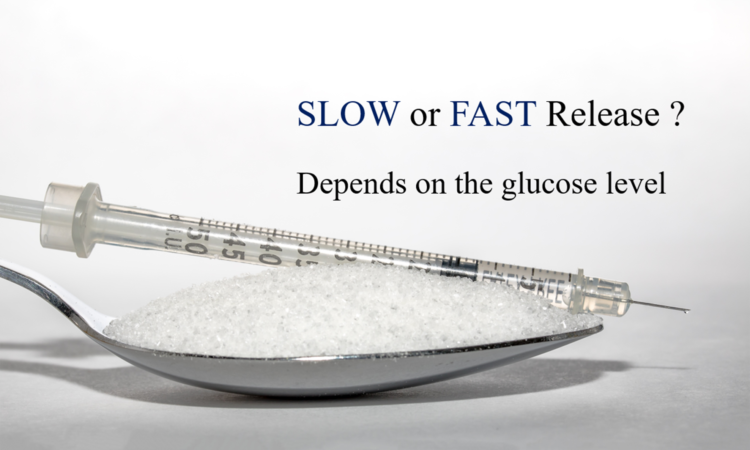
Diabetes Mellitus affects 8.5% of the world adult population and tackling it requires systematic dosing. Researchers have developed a unique NP that can substantially decrease the dosage of insulin and increase patient compliance.
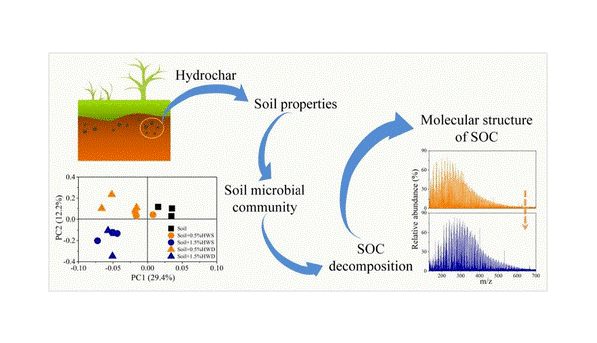
Thermochemical degradation of plant matter can create a great plant fertilizer called hydrochar. But what effect does this hydrochar have on the soil ecosystem?

Archaeologists in Herculaneum, in the south of Italy, discovered a black, glassy material that turned out to be… a human brain.
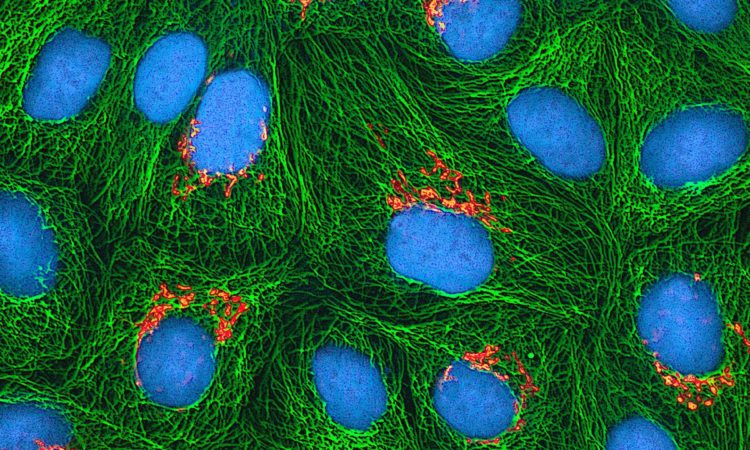
Ever wondered how scientists know what is going on inside a cell, or how you could design a chemical probe to tell you more? There’s a lot of things to consider, find out more here.

New technology developed to build larger proteins